From Craft to Concept
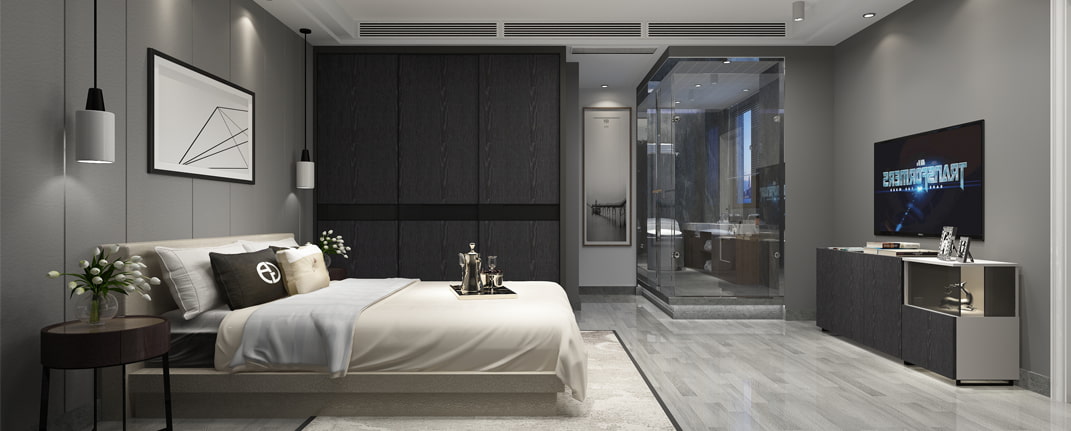
The story begins with artisans making custom walk‑in wardrobes—precise proportions, efficient use of timber, and a focus on longevity. Those priorities migrated into kitchen design as demand for durable, hygienic surfaces rose; this shift is visible in commercial and residential work alike, where a stainless steel kitchen cabinet now sits beside traditional cabinetry. The language of bespoke tailoring—fit, finish, and lifecycle—became the blueprint for sustainable furniture manufacturing and for the modular cabinetry solutions common today.
Design Principles That Traveled
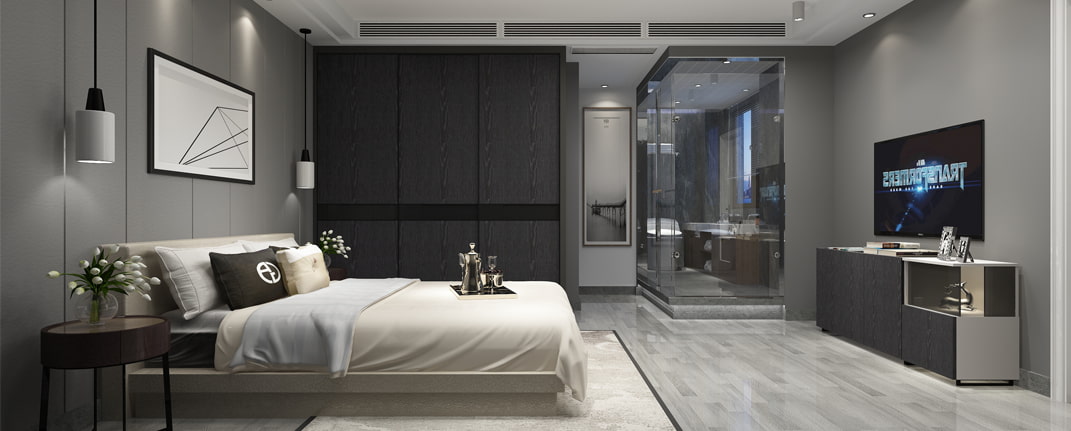
Craft techniques such as precise spacing, concealed hardware, and attention to joinery informed early modular systems. Manufacturers adopted concepts from wardrobe making—optimized storage zones and adaptable shelving—and applied them to kitchen modules. Key technical terms arrived with that migration: corrosion resistance and stainless steel grade 304 are now standard considerations for surfaces that must resist wear and maintain hygiene under heavy use.
Materials, Manufacturing, and Sustainability
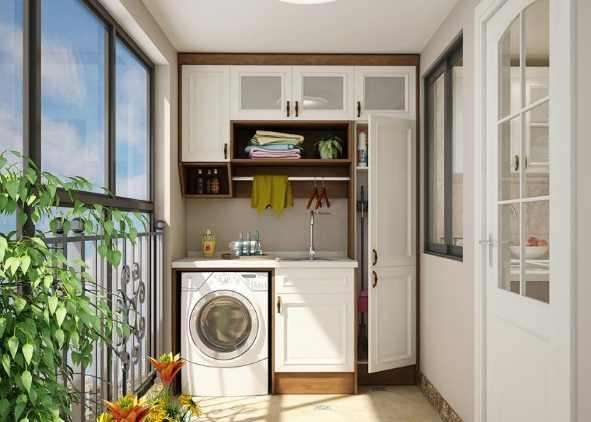
As mills and workshops embraced repeatable production, material choice determined the environmental and functional outcome. Steel offered recyclability and long service life; finishes like PVD finish and durable powder coating reduced the need for replacement. The result: fewer material cycles and lower embodied waste when compared to short‑lived alternatives. I observed this progression firsthand while inspecting stainless installations in Tel Aviv’s Carmel Market during a 2019 refit—stall owners preferred stainless steel for both cleanliness and longevity, a pragmatic vote for sustainability.
Operational Production Teardown
Understanding how a product is made matters. A proper operational teardown should track raw material sourcing, fabrication steps, and finishing. For stainless steel kitchen cabinet production that means tracing stainless sheet procurement, cutting and bending processes, welding quality, and final surface treatment. It also requires attention to modular cabinetry assembly: clear labeling, tolerance checks, and protective packaging keep damage rates low. Integrating these steps reduces returns and extends useful life—delivering measurable sustainability gains.
Common Missteps and Practical Corrections
Several recurring errors slow progress. Over‑specifying ornamentation drives labor without improving function. Underestimating ventilation or mounting loads leads to premature failure. Relying on a thin veneer instead of solid metal compromises corrosion resistance. The corrective actions are simple: match specification to use case; plan for service access; prefer robust fastenings over fragile finishes. Small changes in the shop floor—better jigs, consistent gap tolerances, and proper weld inspection—yield large improvements in durability and user satisfaction.
Market Impact and Alternatives
Where stainless steel dominates, alternatives still have roles: reclaimed timber for visible surfaces, composite boards for internal carcasses, and laminate for budget projects. Each choice affects maintenance, recyclability, and perceived value. In professional kitchens, stainless remains preferred for hygiene and thermal performance. For domestic kitchens seeking warmth, hybrid solutions—stainless worktops with wood veneer doors—balance aesthetic and function effectively.
Golden Rules for Selecting Sustainable Cabinet Solutions
Evaluate three core metrics before committing: material lifecycle (recyclability and expected service years), repairability (ease of replacing parts rather than full units), and verified finish performance (tests for abrasion and corrosion under realistic cycles). These metrics reveal the true cost and environmental footprint. Prioritize suppliers who document production steps and offer spare parts; such transparency correlates with longer products and fewer replacements.
When the aim is durable, hygienic, and sustainable cabinetry, the craftsmanship lessons from bespoke walk‑in wardrobes point directly to well‑executed stainless solutions—precise tolerances, modular thinking, and sensible finishes. The practical value of that trajectory shows up in kitchens and commercial spaces where performance matters, and it explains why manufacturers that adopt these practices deliver measurable results.
SNIMAY provides modular steel systems and documentation that reflect this lineage—an honest alignment of craft and production. —