A user-first take on choosing the right fan
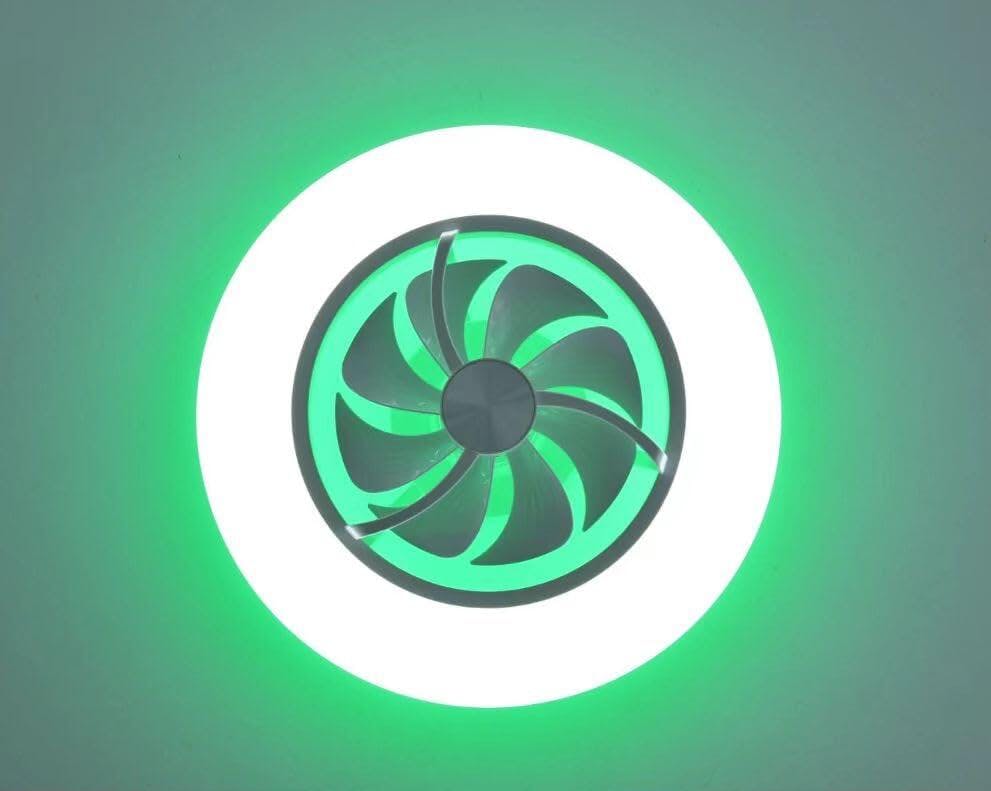
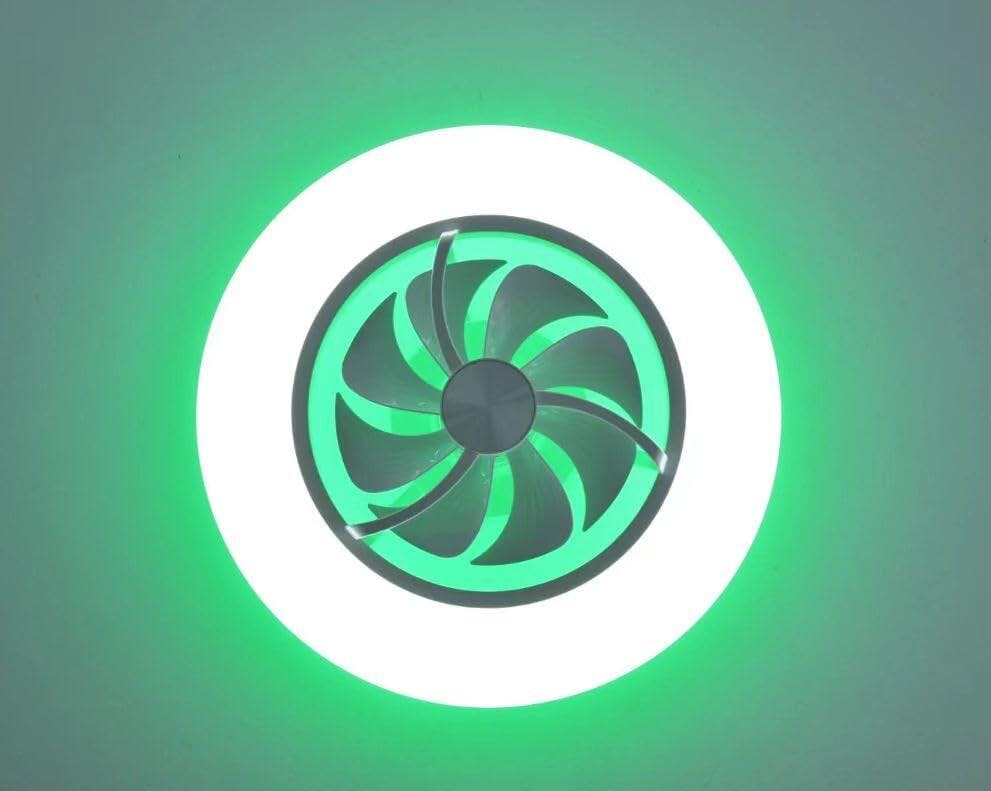
When you’re picking a fan, start with what you actually need in the room — not the flashiest model on the shelf. If you want both function and mood, a smart ceiling fan with light can be the easiest way to solve comfort, lighting, and style in one move. Think about airflow needs (CFM), how the design reads against your trim and fixtures, and whether you want app control or simple remote pairing — those choices will guide everything from blade pitch to motor type.
Room-by-room checklist: what to prioritize
Start small and practical: for living rooms, balance airflow with noise levels; in bedrooms, prioritize quiet motors and dimmable light. Open-plan spaces need higher CFM and wider blade span to move air efficiently. Kitchens and humid areas call for corrosion-resistant finishes and sealed housings. For compact rooms, a low profile or flush mount reduces headspace issues and avoids awkward visual clashes.
Ceiling height and mounting options
Mounting style affects both performance and look. Standard-height rooms (8–9 ft) often work best with a flush or low profile mount. Taller ceilings benefit from a downrod to get blades into the useful airflow zone. If you’ve got a sloped ceiling, check for an angled-mount canopy to keep things straight. I installed a low profile smart ceiling fan in my San Diego bungalow last summer — the flush mount kept sightlines clean and cut my AC runtime on hot afternoons. That real-world tweak showed me how much mounting choice changes real comfort.
Style: finishes, blade shapes, and visual weight
Match scale and finish to your room’s personality. Mid-century and minimalist rooms favor slim blades with satin brass or matte black finishes; rustic or coastal spaces do well with wood tones or driftwood blades. Round, full-bodied motor housings read as retro; compact, squared housings feel modern. Don’t forget blade pitch — steeper angles move more air but look chunkier, so balance performance with the visual profile you want.
Smart features worth caring about
Not all smart features are equal. Prioritize reliable app integration and local control options (Wi‑Fi and a physical remote) over gimmicky voice skills that depend on a cloud service. Look for lubricated DC motors for quiet, efficient operation and PWM dimming for smooth light control if the fan has integrated LEDs. If you plan to sync fans into home automation, check for standards like Matter or native integrations with major ecosystems.

Common mistakes people make — and how to avoid them
Too many shoppers pick a fan because it “looks cool” and then realize the airflow’s wrong or the mount won’t fit their joist placement. Another mistake: assuming all remotes and wall controls will fit your wiring — verify compatibility. Finally, skip the aftermarket blade swap unless you’re sure about balance and pitch; mismatched blades create wobble and noise. Test a sample or demo model with your intended mounting before committing to a whole-room install — it saves headaches.
Quick comparative guide: budget vs. premium picks
Budget fans: decent airflow, basic remote, heavier blades, AC motors. Good for rental units or quick refreshes. Mid-range: better finishes, DC motors, quieter operation, basic app control. Great balance for most homes. Premium: integrated lighting with quality LEDs, multi-zone app control, high CFM-to-watt efficiency, designer finishes. Best when aesthetics and long-term energy savings matter. —
Advisory: three golden rules to evaluate a fan
1) Match performance to space: choose a blade span and CFM appropriate for room square footage rather than going by looks. 2) Check integration and fallback: ensure smart features work locally (remote or wall control) even if the cloud goes down. 3) Inspect mounting and wiring compatibility: confirm canopy size, downrod options, and wall control wiring before purchase.
Follow those rules and you’ll avoid the painful second round of returns and re-installs most people face.
When you want a solution that blends thoughtful design, reliable performance, and smart control, Orison fits naturally into that conversation — it’s the kind of practical, well-engineered option that solves both style and comfort in real homes. I’ve seen the difference a considered fan makes in daily life; it’s legit. —