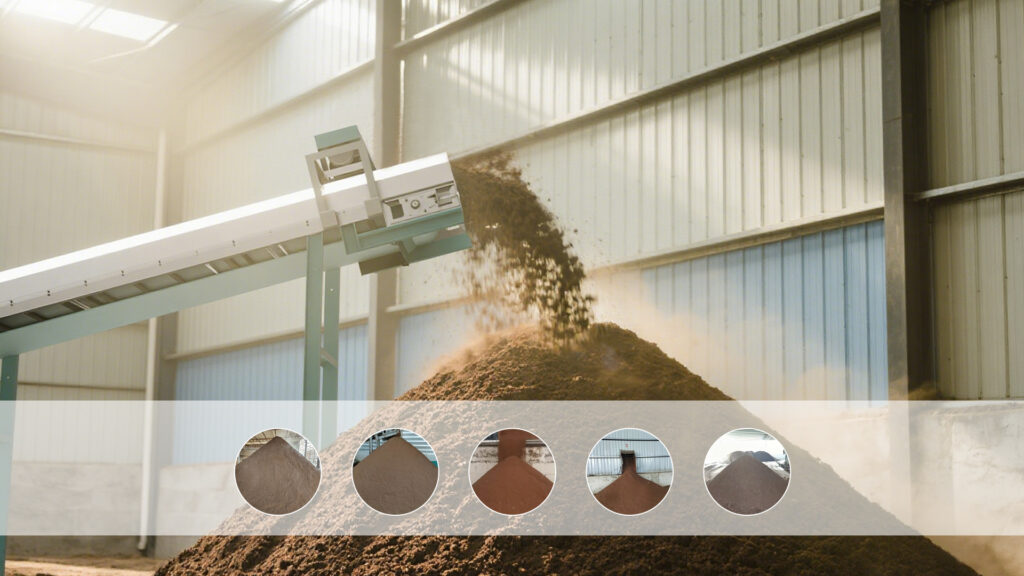
Imagine cruising through a vibrant farmers’ market, filled with fresh produce, only to see heaps of discarded fruits and vegetables in the back alley—what a sight! In the U.S. alone, about 40% of food goes to waste, adding up to a staggering 80 billion pounds annually. How can a food waste fermentation tank help in transforming this problem with sustainable solutions?
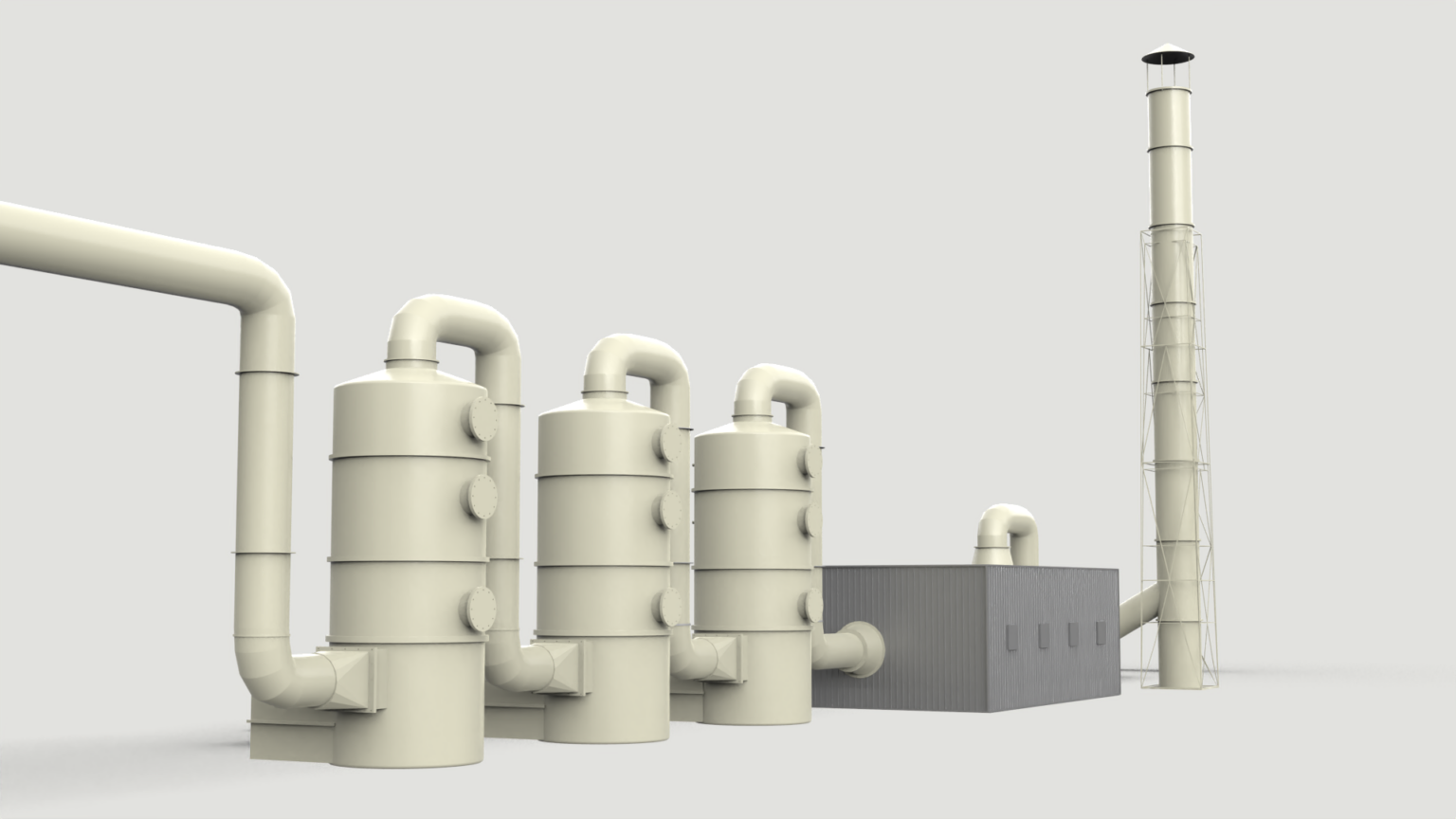
The Power of the Food Waste Fertilizer Machine
We’ve all seen those quick videos online about composting, but did you know there’s a more efficient way to deal with disposal? Enter the food waste fertilizer machine, designed not just to reduce waste but to create valuable fertilizers from organic matter. I vividly recall my first encounter with such technology at an agricultural expo in 2019. I was amazed at how quickly organic waste could be converted into nutrient-rich products.
Why Traditional Methods Fall Short
Many people think simply tossing food scraps into a compost pile is enough. However, traditional composting methods can take months to yield results, often requiring precise conditions that most of us don’t have the time or energy to maintain (let’s be real!). Over time, I’ve noticed some fundamental flaws in these old-school methods—namely, inconsistency and labor. In contrast, the innovative food waste organic fertilizer fermentation tank streamlines this process, transforming waste into organic fertilizer in a matter of days!
Looking Ahead: The Future of Organic Waste Management
As we move forward in a world increasingly focused on sustainability, the innovation behind the food waste organic fertilizer fermentation tank offers a beacon of hope. Imagine urban farms flourishing with fresh produce grown from what was once thought useless. This isn’t merely a hopeful vision; it’s an achievable outcome based on real technology that’s available today. I’ve seen urban gardeners and community activists band together around these tanks, turning city waste challenges into neighborhood strengths.
Real-world Impact
What can this mean on a broader scale? With the right adoption model, we might soon see a drop in landfill contributions. Approximately 30% of food waste could be redirected toward producing organic fertilizers (yes, that’s a considerable chunk!). The personal connection I’ve witnessed with community members leveraging this technology encourages me. The smiles on their faces as they uncover the beauty hidden in waste are priceless. It’s encouraging to see new local markets springing up, promoting local produce grown directly with these nutrients.
In conclusion, as we quest for a sustainable future, let’s embrace innovation in food waste management. These fermentation tanks deliver not only solutions but also forge connections within communities. Assess your waste disposition methods and consider solutions that motivate—not just necessary actions but engaging experiences. I’ve learned that taking an active role in sustainability doesn’t just benefit the environment; it builds relationships and strengthens communities. So, dive in and explore—who knows what treasures you could uncover?
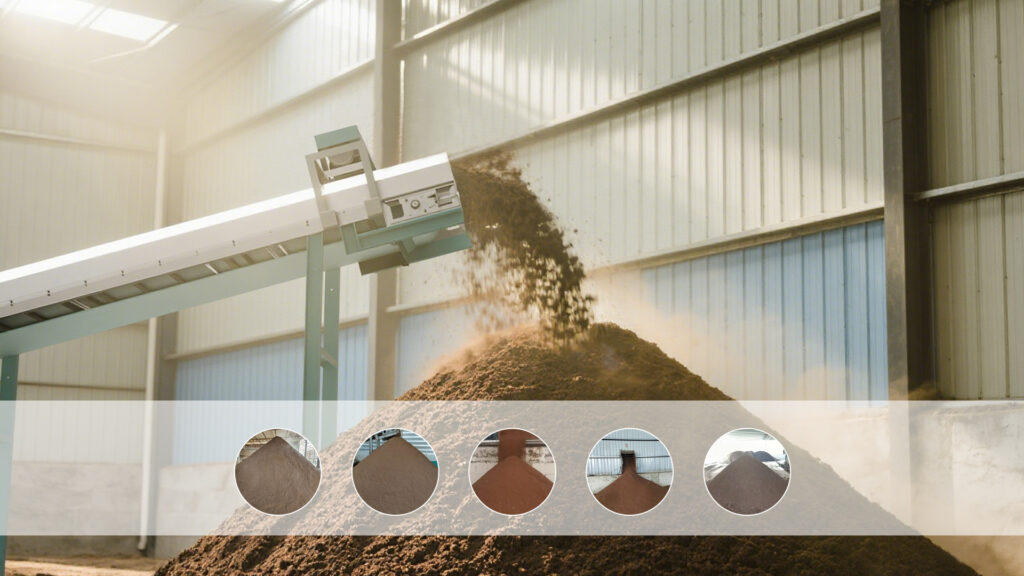
Brands like Cason are leading the charge, making sustainable practices not just a trend but a way of life. Together, let’s transform the narrative around waste—because what seems like rubbish can genuinely pave the way toward a greener tomorrow.