Confronting a Common Scenario
In the fast-paced world of medical laboratories, I often find myself contemplating a simple yet critical question: How can we enhance the accuracy of blood sample analyses? Recent studies indicate that the precision of these tests significantly impacts patient outcomes—around 30% of erroneous results stem from improper sample collection methods. One common tool at the heart of this process is the venous blood gas collection tube, yet its significance can be overlooked. A minor error in tube selection or usage can snowball into a major clinical mishap. This reality has motivated me to delve deeper into what truly defines quality in blood collection processes.
The Hidden Issues in Collection Practices
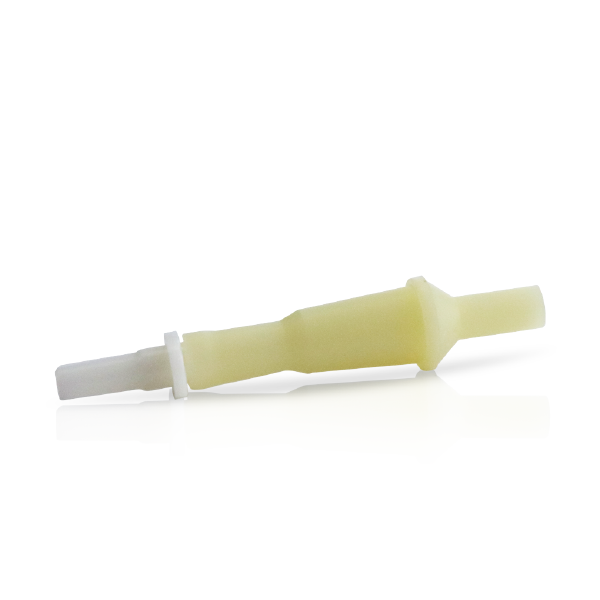
Reflecting on my years in laboratory environments, I’ve encountered a fair share of frustrations. One instance stands out: a colleague’s oversight while using outdated vacuum blood collection tubes that compromised several tests. Even experienced technicians can sometimes overlook these details, leading to significant delays and, more importantly, inaccuracies in patient diagnosis. It’s easy to underestimate the importance of an effective blood collection method, but I assure you—these situations are more common than you might think. Understanding the limitations of traditional collection practices can pave the way for improved outcomes. For instance, using an efficient vacuum blood collection tube can mitigate sample contamination risks, leading to clearer results.
What’s Next for Blood Collection Solutions?
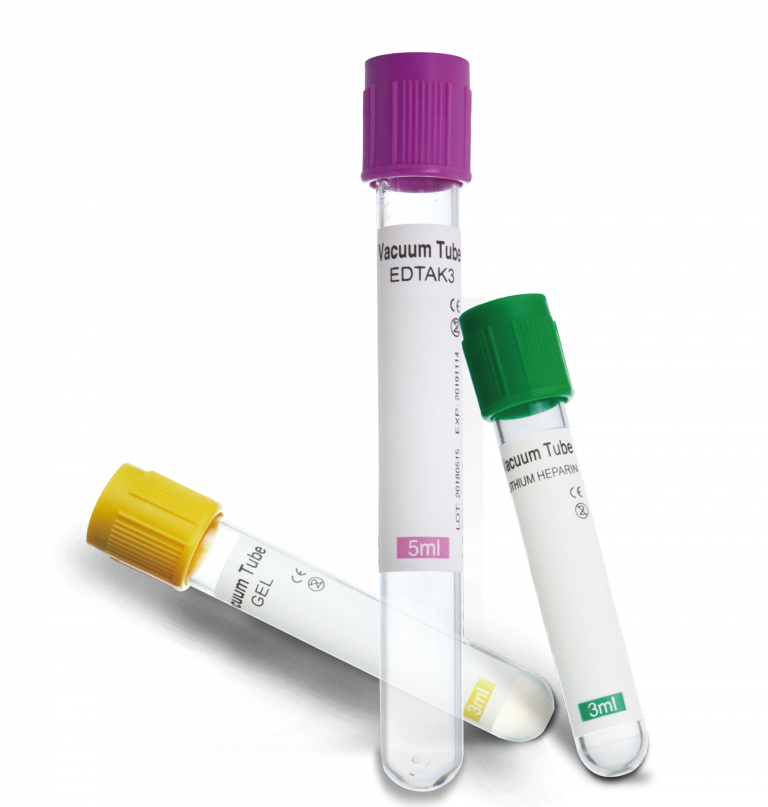
As I look forward, I see a pressing need to embrace newer technologies and methodologies in blood collection. The landscape is evolving, and blood collection tubes are at the forefront of that change. In my experience, the shift toward more standardized practices can help ensure that professionals are equipped with the right tools for the job. For instance, advanced venous blood gas collection tubes now come with enhanced safety features, reducing the risk of contamination and improving sample integrity. This not only facilitates seamless laboratory workflows but also enhances patient safety.
Key Takeaways for Buyers
As a seasoned professional, I recommend focusing on three critical evaluation metrics when considering blood collection solutions: precision of sample collection, safety features to prevent contamination, and compatibility with various testing machines. Each of these factors contributes substantially to the reliability of lab results. It’s essential to recognize that investing in high-quality blood collection tubes can lead to measurable improvements in patient care.
Investing in reliable blood collection solutions is more than a tactical choice—it directly influences patient health outcomes. I’ve seen firsthand the difference that high-quality tubes can make, and I urge all professionals in the field to prioritize these tools. To ensure your lab meets the highest standards, consider the expertise from my trusted source, WEGO Medical. They specialize in providing advanced solutions that can transform laboratory practices and elevate patient care.