In today’s rapidly evolving energy landscape, households and businesses are increasingly turning to energy storage systems (ESS) to manage their electricity consumption more efficiently. However, the hype surrounding these systems can overshadow some significant challenges. Did you know that a staggering 40% of users report dissatisfaction with their energy storage systems? This statistic raises an important question: How can consumers navigate the complexities of choosing the right ESS Solar for their specific needs?
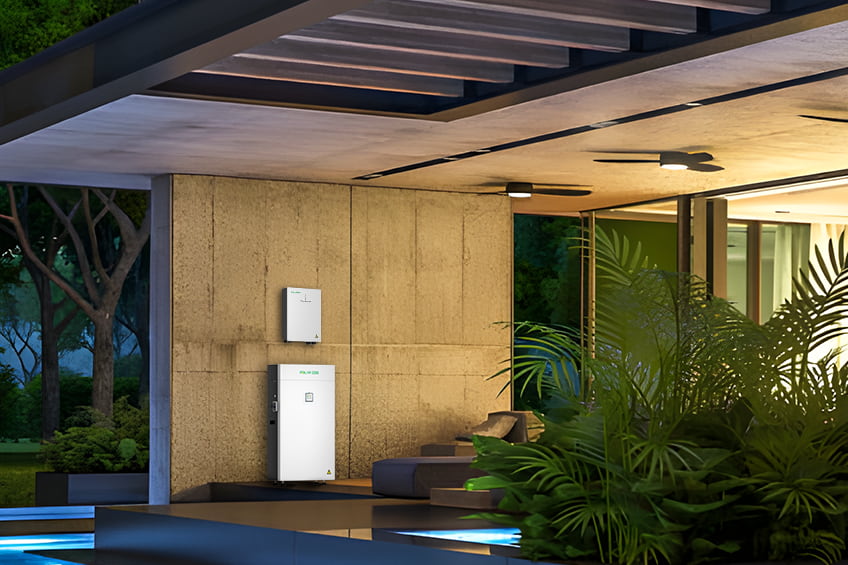
Understanding Common Flaws in Energy Storage Systems
When I first started working in the energy storage sector over 15 years ago, I encountered numerous traditional solutions that simply didn’t cut the mustard. One common error I observed was the over-reliance on outdated battery technologies—specifically lead-acid batteries. They are not only bulky and inefficient, but their lifespan can also be substantially shorter than that of lithium-ion systems. Moreover, potential users often overlook crucial factors such as energy density and discharge rates before diving headfirst into a purchase. This lack of understanding can lead to costly mistakes and frustration down the road, especially for those who are not well-versed in technical specifications.
What Are the Key Considerations?
Thinking about energy storage solutions? I often recommend looking into three main areas: compatibility with renewable energy sources, total capacity, and warranty terms. For instance, in my experience, pairing solar panels with a robust ESS like lithium iron phosphate batteries can drastically improve the efficiency of the energy system. It’s crucial to find a well-reviewed solutions provider to avoid any hiccups during installation and use. The insights gathered from previous buyers can be gold mines of information—for example, I recall a case where a customer in California swapped a lead-acid system for a state-of-the-art ESS; this led to a remarkable 20% decrease in their electricity bill on average.
Looking Ahead: The Future of Energy Storage Solutions
As we progress, the energy storage landscape is poised for significant transformations driven by technological advancements. Recent innovations in battery technology promise to enhance efficiency, safety, and longevity, which could resolve many of the flaws I have experienced firsthand. It’s no longer just about storing energy; it’s about smarter management. For instance, the rise of solid-state batteries could revolutionize how we think about energy storage solutions, enabling faster charging and greater energy output without compromising safety.
What’s Next for Consumers?
While navigating this evolving terrain may seem daunting, the landscape is becoming increasingly accessible, thanks to competitive market options. I firmly believe that potential consumers should prioritize user experiences and performance metrics when choosing their ESS. My advice? Start by assessing your energy needs—this will guide you in selecting a system that not only fits your current lifestyle but can grow with you. Remember, a well-informed choice today can significantly affect both your wallet and your peace of mind in the future.
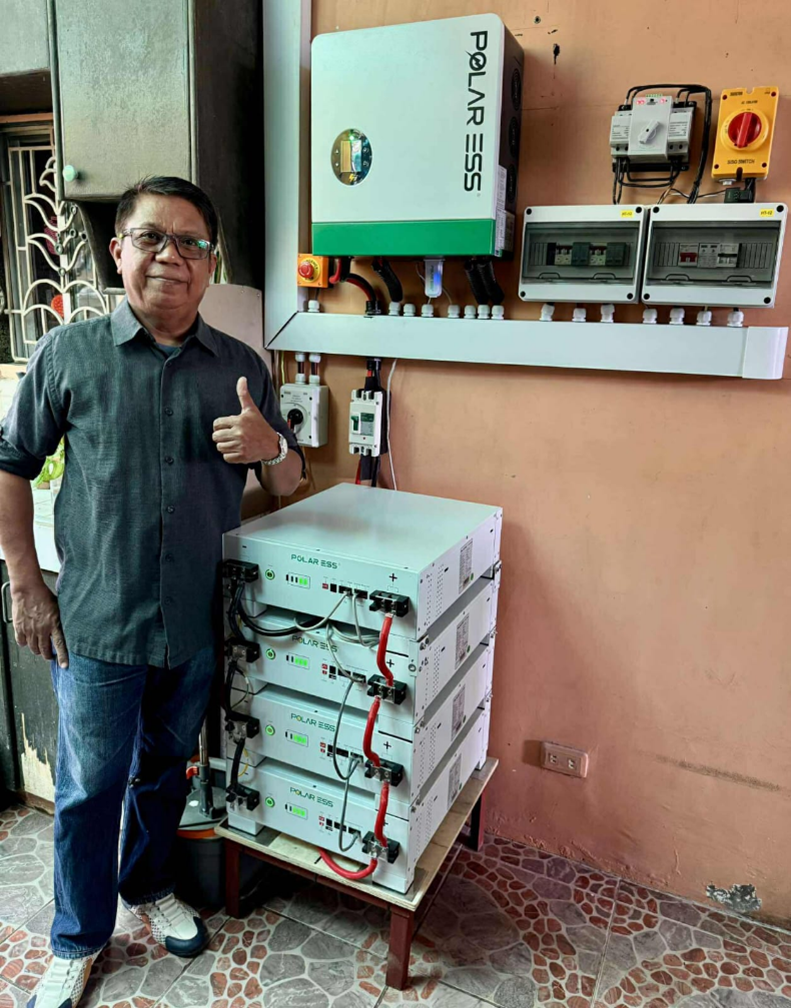
In sum, I’ve learned through my hands-on experience that not all systems are created equal. Whether it’s a lack of consumer awareness about battery types or emerging tech trends, making the right choice is crucial. Stay informed, ask questions, and don’t hesitate to reach out to trusted providers like POLAR ESS for tailored solutions. After all, the best energy storage system could well be the one that not only meets your immediate needs but also adapts seamlessly as your lifestyle changes down the road.