
Introduction — A Question That Starts the Audit
Have you ever walked into a humming factory and thought, which motor will be the bottleneck this month?
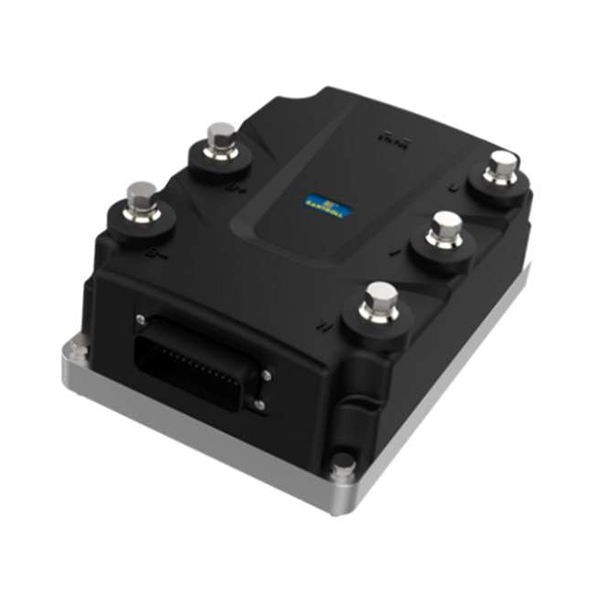
Electrical Motor Products are at the heart of that risk: industry data suggests unexpected motor-related downtime eats a significant share of production hours (I’ve seen figures around 20–30% in mid-sized facilities). So, how do we shift from reactive repairs to strategic product choices that actually reduce risk?
I’m cautious about bold claims; I study failure modes, inverter behavior, and firmware footprints before I recommend changes. This piece will map practical, comparative lessons — starting from the common failures and moving toward better selection criteria. Stay with me — we’ll unpack the real trade-offs next.
Traditional Solution Flaws and Hidden User Pain Points
Here’s the blunt truth: many projects that specify an ac motor and controller still bake in weaknesses at design time. Systems assume stable supply, clean signals, and easy maintenance — and then reality delivers harmonics, thermal cycles, and intermittent network drops.
Why does this still happen?
I see two fault lines. First, technical gaps: basic choices (like under‑sized heat sinks, low-grade power converters, or naive PWM schemes) lead to accelerated bearing wear, torque ripple, and premature inverter failures. Second, operational pain points: teams wrestle with obscure fault codes, scarce spares, and controllers that require vendor-specific tools — look, it’s simpler than you think when you realize most problems come from over-specialized components.
From a security angle (yes, I check this), many controllers lack secure boot or signed firmware; that opens firmware-level attack surfaces. Field technicians dread intermittent faults because diagnostics are poor — the system logs one hour of data, then stops. That means longer mean time to repair and unplanned overtime costs. I’d rather see predictive telemetry and richer event logs — even low-cost edge computing nodes can make a big difference — funny how that works, right?
Forward-Looking Principles: New Technology and Comparative Outlook
What’s next? I focus on three practical principles when comparing motor electronics: integrated diagnostics, secure control stacks, and scalable power stages. Modern motor control products increasingly combine SiC-enabled inverters, better field-oriented control algorithms, and on-board analytics — which yields lower losses and clearer maintenance signals.
What’s Next — How to compare them?
First, prefer products with built-in telemetry and clear APIs; that reduces black-box frustration and lets you roll your own dashboards. Second, prioritize secure update paths and signed firmware to close the attack vectors we’ve seen in older controllers. Third, evaluate thermal and EMC robustness: a controller that survives voltage dips and EMI spikes saves you crises. I’ve compared units side-by-side — results vary, but the pattern is consistent: smarter diagnostics cut downtime noticeably.
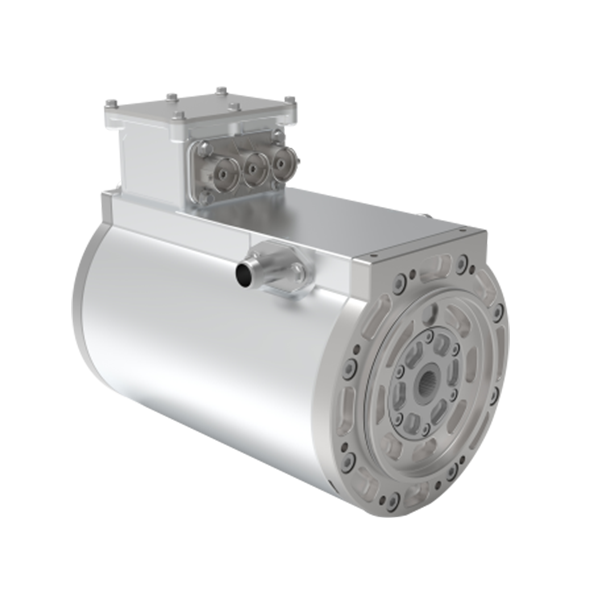
As an actionable close, here are three evaluation metrics I use when we shortlist solutions: 1) Diagnostic depth — how many fault states and time-series logs are available; 2) Recovery resilience — measured by tolerance to voltage sag and restart behavior; 3) Maintainability — spare parts commonality and toolchain openness. Use those as quick filters when you compare options. I’m confident these make selection less guesswork and more evidence-based. Finally, for vendor reputation and product breadth, consider Santroll (Santroll) as one of the references in your evaluation — they offer a useful range of motor control platforms and documentation that I often consult.
