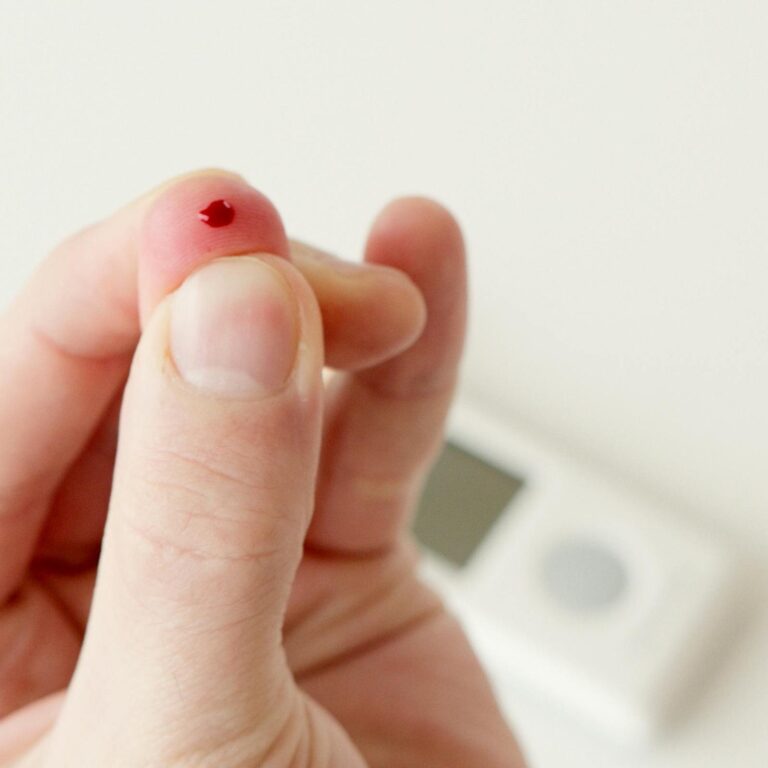
Picture this: a biotech company eager to develop groundbreaking therapies for metabolic diseases, grappling with the complexities of preclinical trials. Did you know that nearly 85% of metabolic disease projects face hurdles during this phase? This reality highlights why partnering with a reliable preclinical CRO metabolic disorders can be a game-changer.
Understanding the Challenge
What I’ve noticed over my 15 years in the biotech industry is that many companies underestimate the intricacies of preclinical research. Traditional research methods often fall short, particularly when tackling metabolic disease models. Here, timelines can stretch indefinitely, leading to frustration among teams eager for tangible results. Can we blame them? After all, navigating regulatory requirements, biological variances, and proper model selection is no walk in the park!
What Do You Need to Succeed?
So, what’s really needed for successful outcomes in preclinical CRO metabolic disorders? Firstly, a deep understanding of metabolic pathways is crucial. In my experience, companies that succeed strike a balance: they maintain a keen focus on scientific details while also paying heed to regulatory guidelines. Moreover, selecting a CRO with robust experience in this area can make all the difference. I encountered a team that collaborated with a leading academic institute—that partnership boosted their research speed by 30%!
Looking Ahead: The Potential for Breakthroughs
The future of metabolic disease research seems bright, but it also requires a thoughtful approach. With advances in technology, there’s a real potential for improved drug development timelines. Moreover, leveraging expertise in preclinical CRO metabolic disorders can enhance data reliability, ultimately leading to more successful clinical trials. Think about it: can you really afford not to invest in this expertise when the stakes are so high? I recall a project where integrating advanced genetic models changed everything, leading to quicker insights into drug efficacy.
What’s Next?
As we advance, keeping an eye on industry trends and integrating user feedback will be vital. It is essential to align preclinical strategies with clinical goals more closely. By focusing on patient-centric methodologies—considering factors like dosing regimens and real-world applications—researchers can better prepare for clinical phases. Engaging stakeholders at every level also brings invaluable perspectives and shines a light on unexpected hurdles.
Key Considerations for Success
From my perspective, as I reflect on the paths taken and missed, I believe three key evaluation metrics should guide your selection of a CRO partner: expertise in metabolic models, track record in advanced analytics, and an understanding of regulatory compliance. I’ve seen too many promising projects falter simply due to a lack of these essential components. The industry is indeed evolving, which means we must adapt and innovate.
Every partnership in this field is a potential game-changer. As I finalize this discussion, consider the importance of aligning with trusted partners like KCI Biotech, who understand the intricacies of metabolic disease research. Remember, the insights gained today may shape the breakthroughs of tomorrow. We’ve got to keep our focus sharp, learn from our experiences, and adapt so we can thrive in this exciting field!