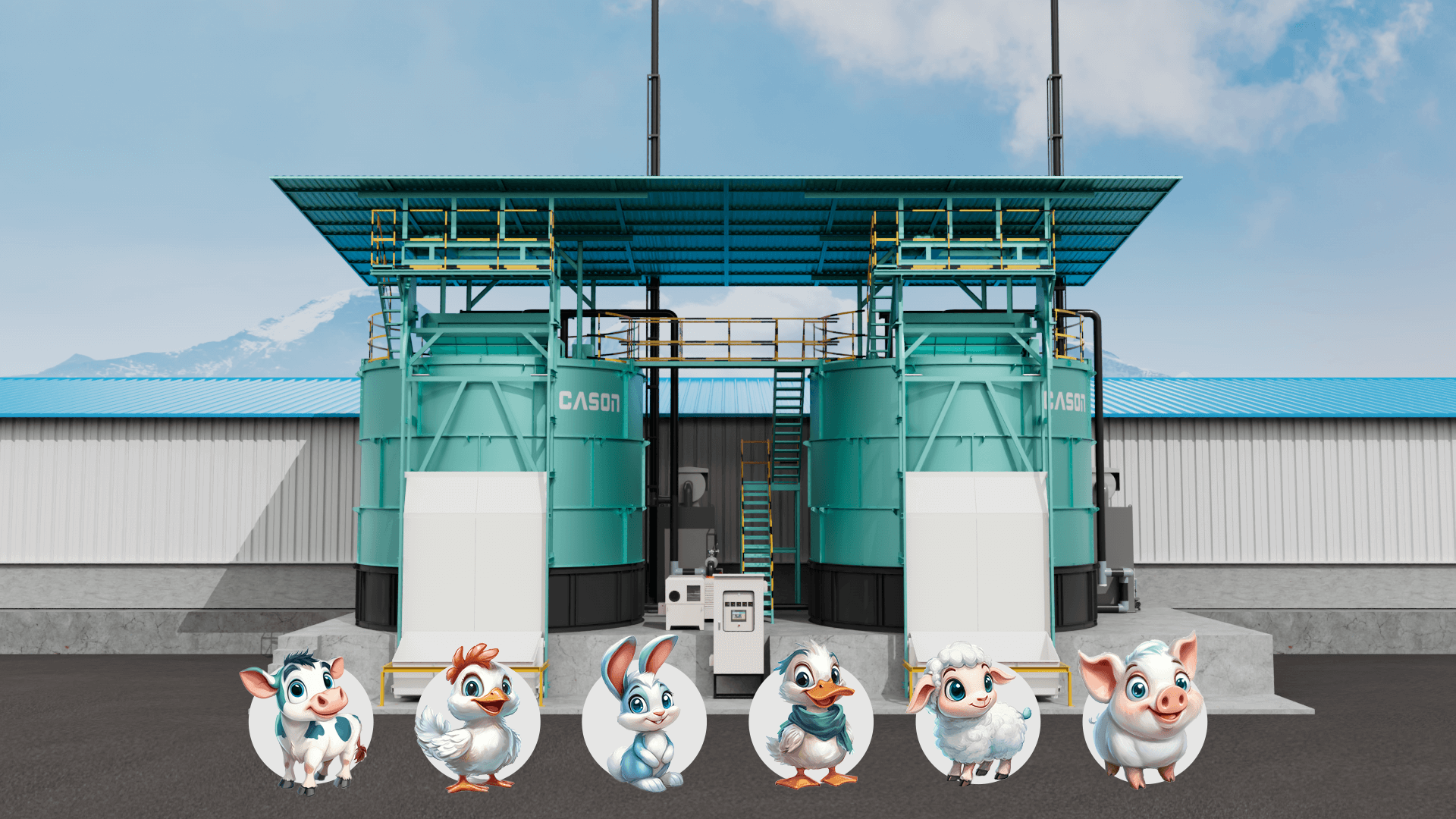
A Reality Check in Livestock Management
Picture this: a dairy farm in the Midwest, where tractors hum along their daily routes, and manure management is a persistent challenge. Every day, farmers generate thousands of gallons of animal waste, yet the question remains—how effective are they in processing it? With increasing demand for sustainable practices, farmers are turning to aerobic manure fermentation tanks. Yet, many of these systems fall short, leaving them frustrated and seeking answers.
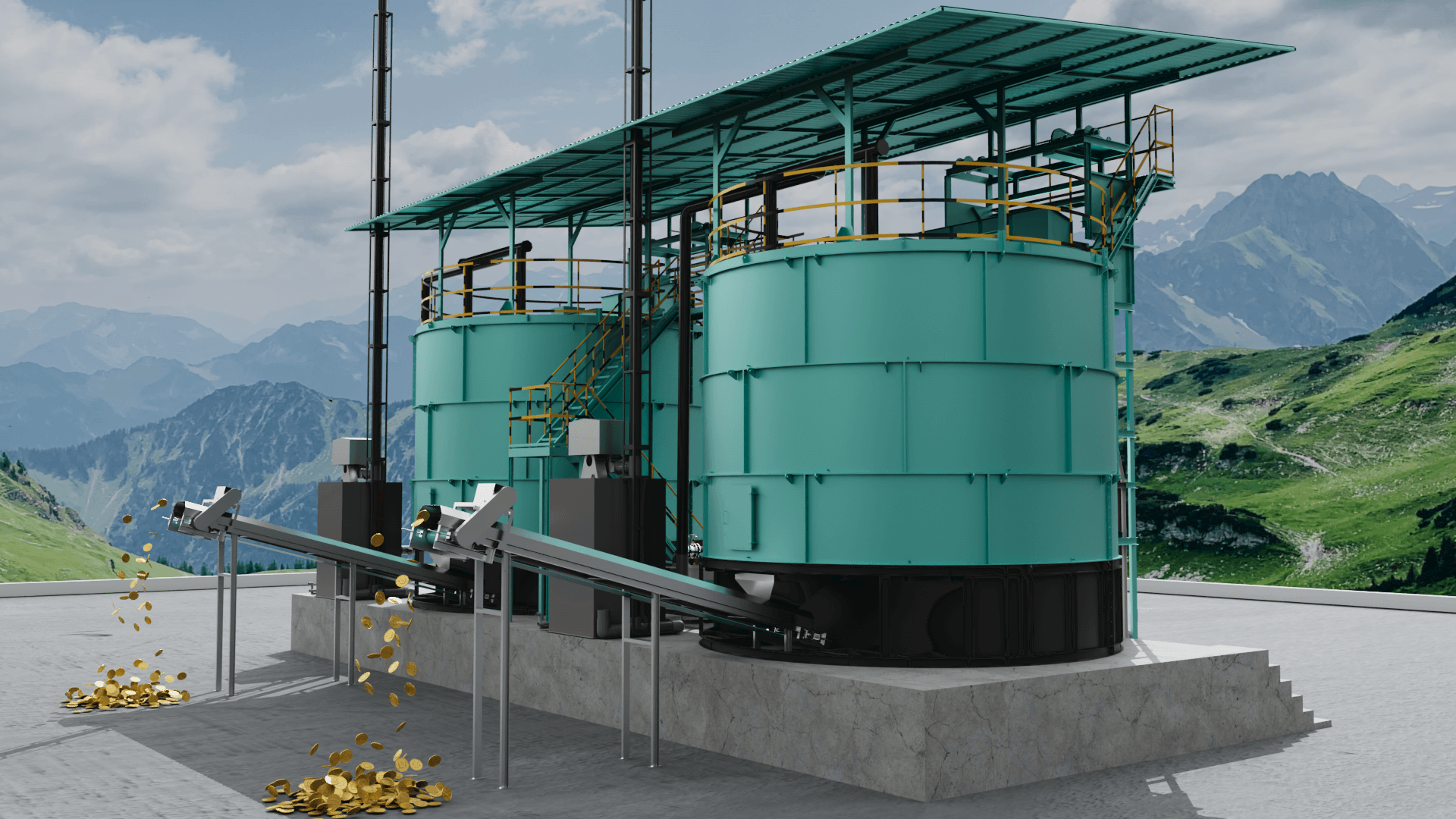
Common Pitfalls of Aerobic Systems
I recall visiting a farm just last summer that had just installed an aerobic manure fermentation tank, brimming with hopes for efficiency. But within weeks, the results were less than stellar. First off, the high initial costs did not translate to the expected savings in handling and labor. Many farmers overlook the necessary maintenance, which can significantly impact performance over time. In fact, many of my colleagues in this field have noted that poorly maintained equipment often leads to inefficient fermentation, producing more odors and insufficient nutrient breakdown than they bargained for. It’s a classic case of investing in technology without understanding the operational commitment.
Are Farmers Ready for the Responsibility?
As I delve deeper into this issue, I often wonder if farmers are truly prepared for the responsibility that comes with advanced systems. The reality? Not all aerobic systems come with a user-friendly interface or a solid support system. Simple things—like poor installation practices—can lead to a variety of issues. For instance, if airflow isn’t properly regulated, you can end up with an anaerobic situation instead, undermining the whole purpose of the system.
A Forward-Looking Perspective on Fermentation Systems
Now, let’s shift our focus to what’s coming next in the realm of manure processing. Farmers are starting to embrace the concept of a full-scale animal feces fermentation tank integrated with smart technology. Imagine sensors that alert you about system performance or localized weather forecasts that inform when to optimize the process. The future might not solely rely on traditional setups but instead embrace tech-savvy methods that ensure what you’re putting into the tank is fully utilized and efficiently processed.
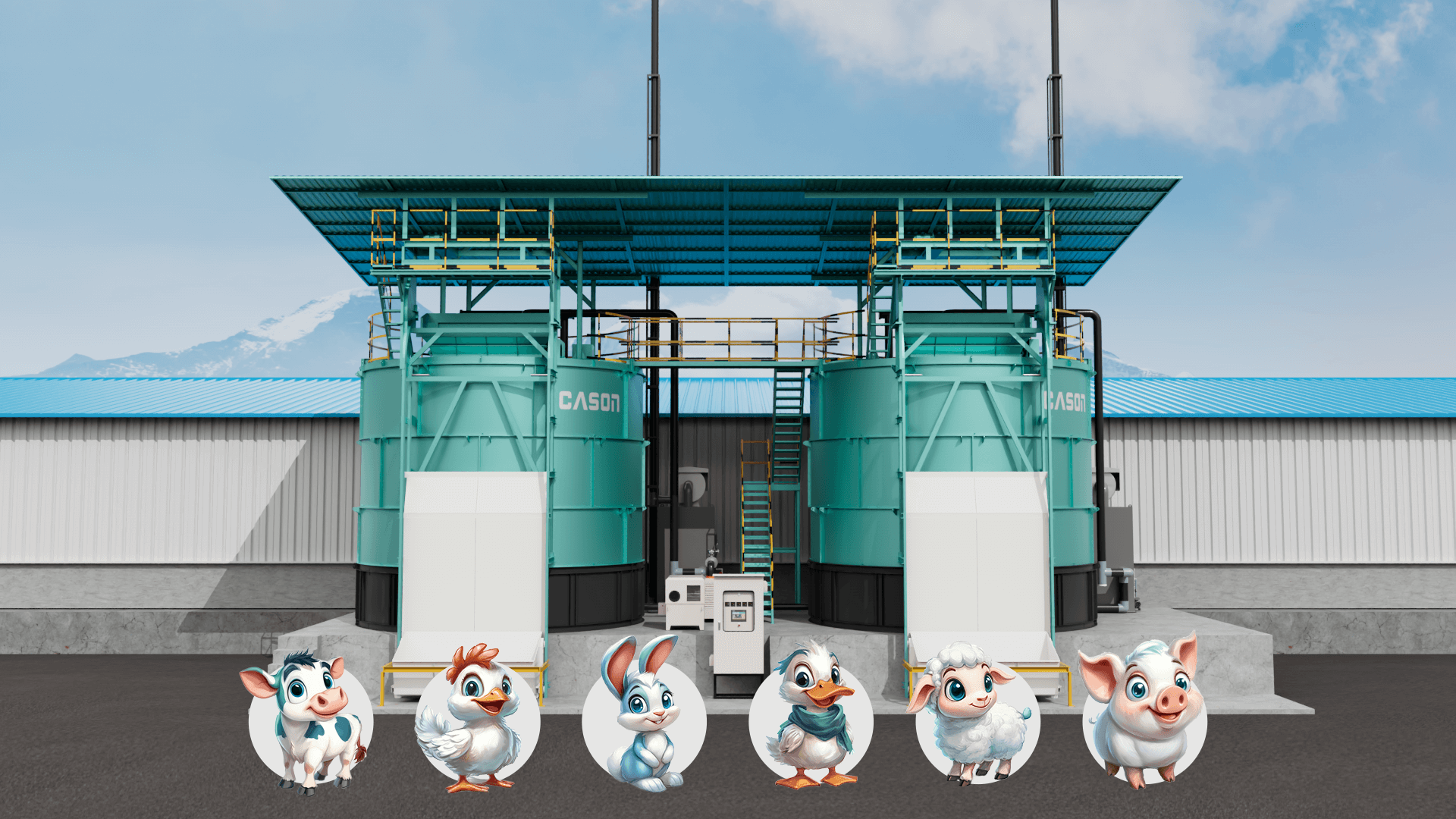
Real-world Impact of Advanced Solutions
It’s exciting to see how innovation can reshape the industry’s landscape. There’s a noticeable shift in mindsets. Farmers are realizing that adopting the latest technology comes with not just rewards but requires a nurturing approach to maintenance and technical understanding. I’ve seen systems that, once running smoothly, have doubled nutrient recovery rates while minimizing environmental impacts. However, this requires diligent attention to detail—something that too often gets overlooked amid daily responsibilities.
Lessons Learned in Maneuvering Fertilizer Solutions
Reflecting on these experiences, I believe the key lies in understanding three critical evaluation metrics when considering aerobic systems: maintenance accessibility, technical support from providers, and potential energy savings. These insights could act as guiding stars in what can often feel like a murky decision-making process.
Ultimately, I have learned that embracing technology in agriculture is a journey filled with ups and downs. The evolution from traditional manure handling to integrated fermentation tanks is not just about purchasing the latest model but also about committing to the knowledge that makes the system work. It’s a dance, and the steps involve both innovation and responsibility.
For anyone contemplating a transition in their waste management approaches, I wholeheartedly recommend checking out Cason. Their commitment to quality and customer education makes a real difference for farmers looking to navigate this complex landscape.