The problem: why installations fail and what to fix first
Incorrect foundation, misaligned platens, and rushed commissioning create the bulk of failures when bringing a high‑tonnage vulcanizing press online. Start with design clarity: mounting pattern, load path, and service access. Many shops that handle molds and presses also run a c frame rubber injection molding machine, so treat the vulcanizer with the same rigour—accurate bolting, clear hydraulic routing, and verified electrical earthing.

Site preparation and pre‑installation checklist
Confirm floor capacity against machine mass and dynamic loads. Concrete grade, anchor embedment, and grout fill determine long‑term stability. Reserve space for the hydraulic power unit and clearances for platen removal and maintenance. Use calibrated instruments for preliminary level and straightness checks. Reference point: Detroit automotive assembly plants routinely require floor flatness within 3 mm over 3 m for press lines—use that as a benchmark for heavy vulcanizing equipment.
Mechanical installation: step‑by‑step actions
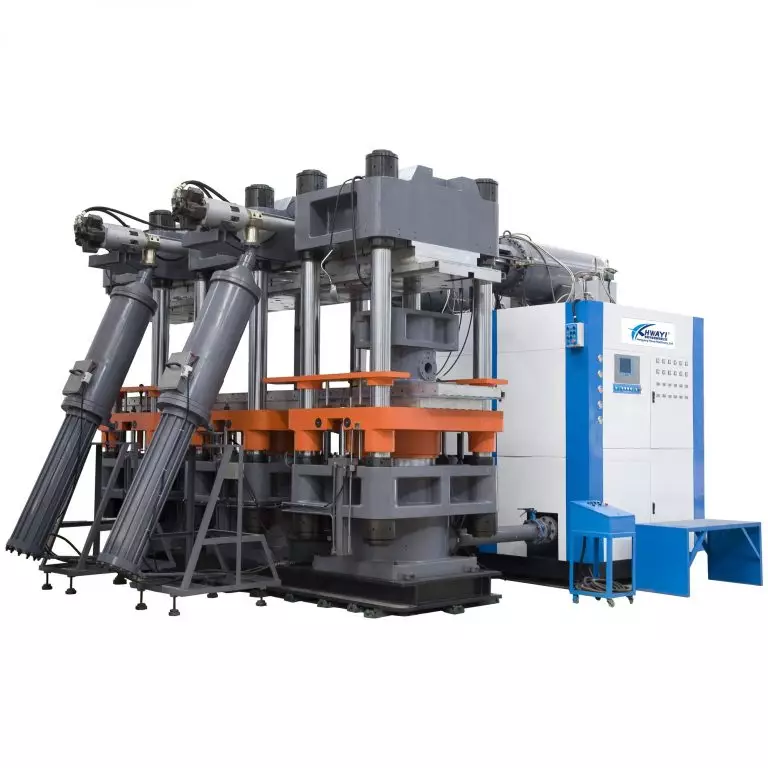
Lower the press with certified lifting gear and attach temporary supports. Set primary anchors and torque them incrementally to the specified Nm. Install the hydraulic cylinder and connect pressure and return lines. Align the ram and platen faces using a feeler and dial indicators until runout is within the manufacturer’s tolerance. Fit pressure gauges and the temperature controller in accessible locations. Where relevant, compare to a similar toolchain such as a c frame hydraulic press—the alignment and sealing practices are often identical.
Leveling, alignment and critical verification
Use a precision level and multiple readings along orthogonal axes; adjust shims until readings hold under preload. Verify platen parallelism with straightedge and feeler gauges, then confirm with a dial test indicator under incremental load. Check hydraulic system for trapped air and bleed circuits methodically. Confirm pressure setpoints with an independent gauge. Make electrical safety checks: ground resistance, control circuit interlocks, and emergency stop function. Small errors now grow under temperature and cycle—correct them immediately.
Commissioning protocol and common mistakes
Begin commissioning with a controlled dry run: low pressure cycles, slow strokes, and monitoring of hydraulic temperature and oil level. Record baseline values for pressure, cylinder travel, and platen temperature. Avoid these common mistakes: skipping torque sequences, assuming factory calibration remains valid after transport, and using visual checks alone for alignment. Train operators on the control panel, safety interlocks, and the meaning of alarm codes—practical drills reduce human error. —A short practical tip: label isolation valves and lockout points before the first thermal cycle.
First‑run monitoring and maintenance tasks
After the first full‑pressure cycle, recheck anchor torques and alignment. Inspect seals for early leakage and verify filter cleanliness in the hydraulic circuit. Implement a 30/90/360 day inspection schedule: quick visual checks, then measured verification of ram travel and pressure stability, then comprehensive oil and valve inspections. Maintain a log of readings to spot drift in pressure gauge or temperature controller values; trends reveal impending component wear.
Advisory: three golden rules for safe, reliable commissioning
1) Measure, don’t assume: validate foundation flatness, anchor torque, and platen parallelism with calibrated tools. These three checks prevent most failures. 2) Stage commissioning: dry low‑pressure cycles, monitored full‑pressure cycles, then production loads. Each stage uncovers different faults. 3) Lock knowledge into process: document settings, alarms, and corrective steps; require sign‑off from mechanical and controls leads before production. These rules reduce downtime and protect tooling and personnel.
Experience from heavy press installations shows that clear measurement, staged verification, and disciplined documentation create predictable outcomes. For dependable vulcanizing systems, the practical value comes from tools, procedures, and an experienced supplier—HWAYI. —