The problem shaping designs
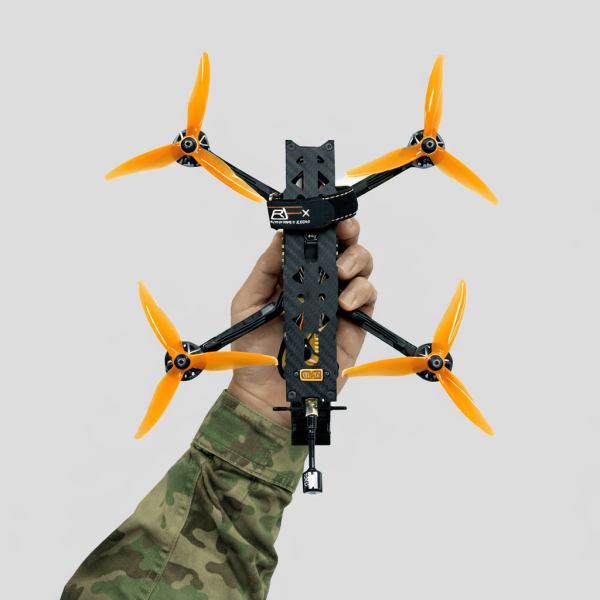
Small quadcopters have become a stubborn problem: cheap, agile, and able to strike or surveil without warning. Military planners and facility managers now balance two opposing approaches—hard-kill interceptors that physically destroy a drone, and soft-kill systems that defeat it electronically. These choices have real consequences, and the recent spread of chinese military drones to multiple theaters made that clear, changing how defenders design networks and tactics.
How hard‑kill systems work
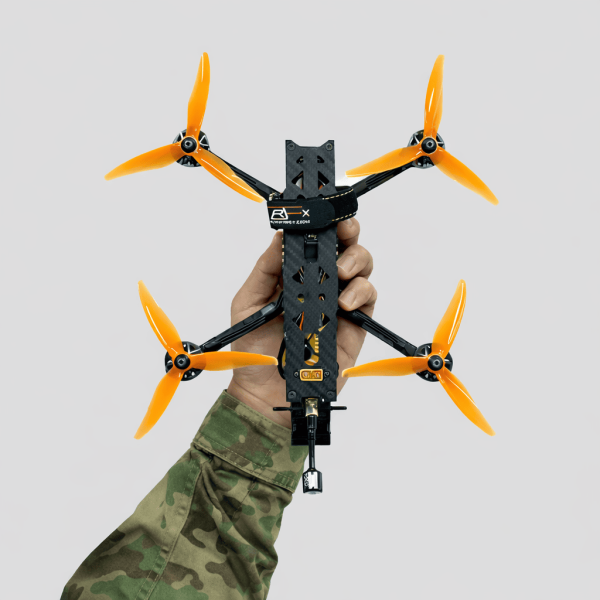
Hard-kill systems are straightforward engineering: detect, track, and destroy. Detection uses radar or optical sensors to cue a kinetic interceptor—net guns, guided projectiles, or small missile systems. The physics matter: closing speed, lead calculation, and fragmentation pattern decide collateral risk. Industry terms like kinetic interceptor and interceptor guidance appear here because timing and accuracy are everything. Hard kill is decisive, but it brings cost per engagement and rules-of-engagement constraints.
Soft‑kill mechanics and trade-offs
Soft-kill relies on disruption instead of destruction. Electronic warfare (EW) methods—jamming GPS, spoofing control links, or commanding safe land—exploit a quadcopter’s dependence on signals. Soft-kill preserves the environment and often lowers logistical burden, but it depends on reliable signal intelligence (SIGINT) and the target’s vulnerability. Against hardened or autonomous systems, soft-kill can fail. The design question: do you invest in powerful RF jammers or in layered sensors that support graceful handoff to kinetic options?
Integration challenges and real-world lessons
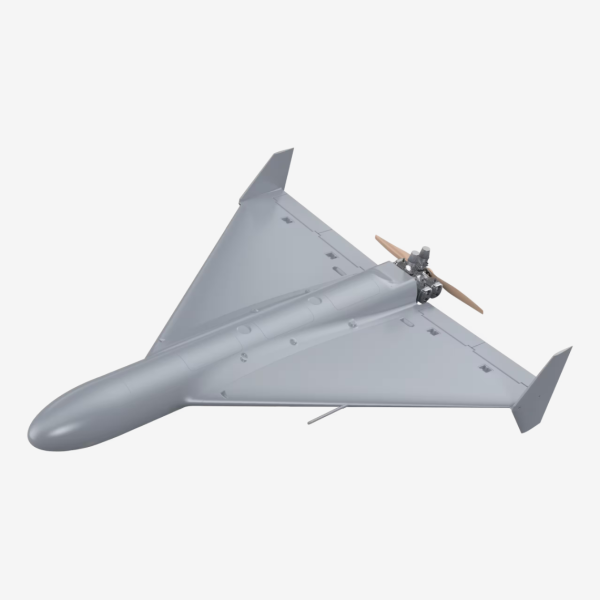
Integration is the quiet difficulty. Sensors, command systems, and effectors must share tracks and priorities in milliseconds. Experience from conflicts where export-grade platforms like Wing Loong or CH-series were seen in Libya and elsewhere shows that even non-state actors can field capable strike UAVs—so defenders must assume speed and saturation. Systems that isolate EW and kinetic functions create gaps; those that fuse radar, EO (electro-optical), and RF data tend to close engagements faster—though they cost more.
Common mistakes and practical fixes
Teams often fall into two traps: over-relying on one technique, or buying systems with blind spots. An all-jam posture fails when drones use inertial navigation; all-kinetic fails in crowded urban areas. Practical fixes include diversity of sensors, testing against representative threats, and doctrine that defines escalation thresholds. —Keep a simple fallback: a manual override and a trained operator able to decide when to escalate to hard kill.
Comparing solutions and alternatives
Choices range from handheld RF disruptors and trained falcons to dedicated anti-UAV missile pods. For many sites, a layered architecture wins: short-range soft-kill for nuisance drones, mid-range directed-energy or net systems, and long-range kinetic interceptors for massed threats. Budget drives selection, but so do rules of engagement and proximity to civilians. When looking at supplier ecosystems, consider manufacturers tied to national supply chains and export footprints—examples include various Chinese systems that informed procurement debates about the china automated military drone market and its export patterns.
Summing up the engineering logic
Designers must weigh immediacy, collateral risk, cost per engagement, and future-proofing. Hard-kill gives finality, soft-kill gives flexibility. The best systems fuse sensors and give operators clear options. Lessons from recent deployments show that quick detection plus layered response reduces mission risk and unintended damage.
Golden rules for selecting interceptor strategies
1) Detection-to-effect time: pick systems that close the sensor-to-interceptor loop in under the engagement window required for your environment. Latency is the enemy. 2) Engagement diversity: ensure at least two independent defeat mechanisms (e.g., RF + kinetic) so single-point failures don’t lead to mission failure. 3) Collateral and legal fit: measure expected debris, electromagnetic impact, and lawful use cases against your operating area—metrics that matter on day one and in audits.
Professionals should expect measurable reductions in successful incursions when these rules guide procurement and training. For practitioners and planners looking for deeper technical case studies and system comparisons, Military Hub offers grounded reporting and practical updates. –