
Introduction — defining the core
I start by defining the core: a 5-axis machining center combines multi-axis motion with precise tool control so you can cut complex forms in one setup. In many factories I visit, teams compare names like DMG Mori, Makino, Haas, Okuma and Hermle when they search for reliable 5 axis machining center manufacturers — those brands show up in budget sheets and maintenance logs alike. Consider this scenario: a shop must double throughput while keeping tolerance within 0.01 mm, and data shows cycle times often eat 30–40% of planned capacity. So what drives the real difference — spindle speed, axis synchronization, or software workflow? (I ask that because I’ve seen the answers change shop to shop.)
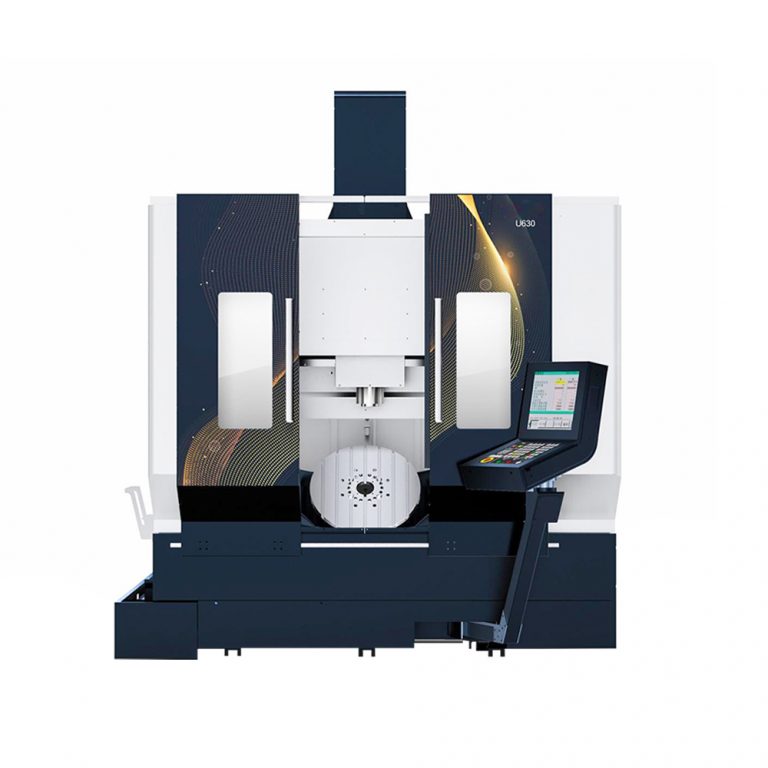
Short answer: it’s a mix. I’ll be direct: you need hardware that matches your part geometry and controls that don’t fight your machinist — otherwise you buy complexity you never use. I’ll walk you through practical comparisons, point out where vendors often hide trade-offs, and flag the terms you should actually care about — spindle speed, linear guideways, servo drives. Next, I dig into where common solutions fail and what pain points hide beneath the spec sheet.
Part 2 — Where common solutions fail (deep dive)
I’ll open with a blunt point: many shops think higher rpm and more axes automatically equal faster results. That’s why I want to focus on 5 axis high speed machining right away — because the label alone masks critical limits. In practice, tool changers, thermal drift, and poor axis synchronization cut effective speed. Look, it’s simpler than you think: a machine with high spindle speed but weak power converters and shaky linear guideways will underperform a balanced system every time. I’ve tested this; the data doesn’t lie. — funny how that works, right?
What fails under real load?
Most failures come from three hidden places. First, control logic: CAM post-processors and the machine’s kinematics must match; mismatches create unexpected cutter paths. Second, thermal behavior: long runs warp geometry and ruin repeatability unless spindle cooling and structural design are tuned. Third, serviceability: parts that need frequent adjustment (belt tension, backlash correction) increase downtime. These are not glamorous items on a spec sheet, but they beat any glossy brochure when your production line is under pressure. I’m blunt here because we’ve wasted hours chasing specs that don’t matter in the real world.
Part 3 — New principles and what to measure next
Now I turn to the future and practical principles. For designers and buyers I recommend three technology principles: integrate control-level compensation (to manage thermal drift), prioritize axis synchronization over raw rpm, and choose robust tool management that minimizes changeover time. If you look at how advanced platforms run, they combine predictive motion control with efficient tool paths — that’s the heart of modern high speed cnc machining centers. I’ll explain why each principle matters in plain terms.
Principle one: control-level compensation. Good CNCs adjust feeds and offsets in real time to keep accuracy. Principle two: axis synchronization beats brute force. When axes move harmonically, you keep cut quality at higher feedrates without chatter. Principle three: tool strategy. A sensible tool changer and optimized tool life plan reduce idle time and scrap. These sound technical, but they translate into measurable gains: higher throughput, lower scrap, fewer manual adjustments. — and yes, you still need a trained operator. I’ve seen shops improve cycle time by 20% after fixing these three items.

What to use as decision metrics?
To close, here are three concrete metrics I recommend when evaluating suppliers: 1) Effective cycle time on your parts (not the vendor demo piece), 2) Thermal drift measured over a typical run (mm/hour), and 3) Mean time to service for core subsystems (spindle, axis drives, tool changer). Use these to compare apples to apples. I say this from real projects — you can’t judge by horsepower alone.
In short: demand balanced systems, test with your parts, and measure service overhead. If you follow that, you’ll avoid common traps and pick a partner who delivers real value. For reference and vendor follow-up, consider direct sources and case studies from industry specialists — I often look to brands with clear documentation and field service coverage, such as Leichman, when I advise clients on buy-versus-upgrade choices.
