
Start with the problem you need the designer to solve
Most projects fail at the start because the client and designer aren’t solving the same problem. Be specific: are you after usable shade, a mount for rooftop panels, a power-producing outdoor room, or all three? If your goal is integrated energy and shelter, call that out immediately and show examples of a photovoltaic pergola you like. That saves hours of vague proposals and keeps quotes comparable.
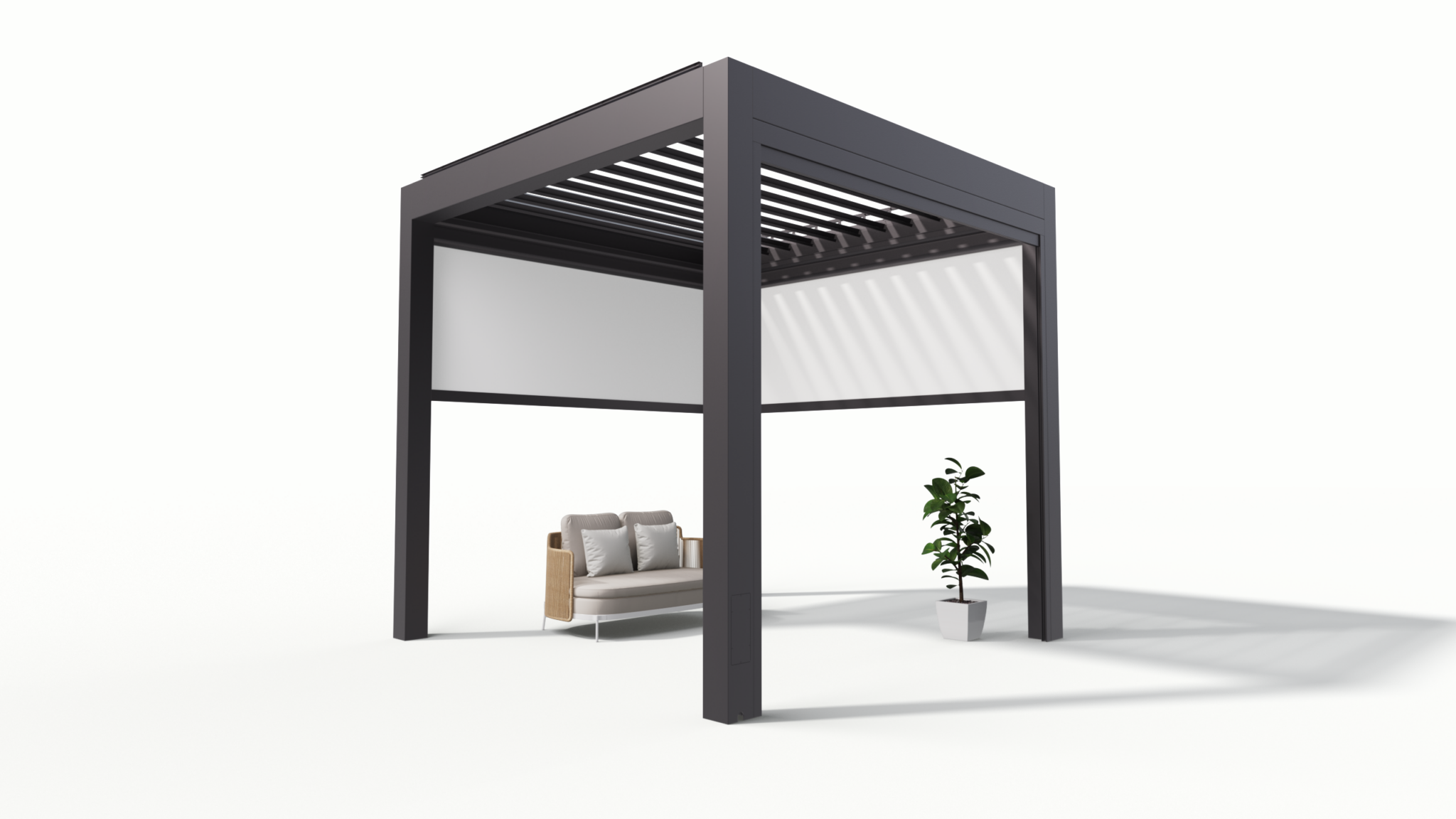
Pin down the technical constraints first
List what matters: expected panel orientation, roof or ground mounting, building-code limits, wind and snow loads, conduit routing, and how much on-site wiring you can tolerate. Ask for structural calculations tied to local code rather than a generic statement that “it will be engineered.” A common mistake is assuming the pergola frame is cosmetic; a solar-ready pergola often needs a thicker header, larger footings, and explicit anchor details. Require drawings that show PV cell layout, inverter location, and conduit chase so permitting goes smoothly.
Ask questions that reveal real experience
Good questions reveal how a designer handles problems. Ask how they’ve handled roof penetrations and flashing details, who performs the structural engineering, which electrical contractor they prefer, and what warranty they assign to mounting hardware versus finish. Pay attention to answers that name specific products, calculation methods, or permit jurisdictions. Vague answers mean more coordination work lands on you later.
Cost context and a real-world anchor
Costs vary a lot because permits, labor, and climate make a difference. In California, permitting fees and higher labor rates commonly push solar pergola cost above what you’d expect from a simple deck pergola; factor that into schedules and bids. From hands-on specification work over several projects, I can say quotes without site-verified electrical routings or soil reports often miss soft costs. Use the linked reference to check typical equipment pricing and align budgets with local realities: solar pergola cost.
Compare alternatives, and be blunt about trade-offs
There are three practical approaches: retrofit panels onto a timber pergola, build an aluminum structural pergola engineered for PV, or buy a factory-integrated solar pergola kit. Timber looks warmer but needs heavier engineering and more maintenance. Aluminum minimizes structural depth and often simplifies wiring but can feel industrial. Integrated kits cut lead time and warranty complexity but may limit custom architectural intent. Decide which trade-off you accept before soliciting final proposals.
Common pitfalls and how to avoid them
Permit-by-assumption: don’t assume your site is “simple.” Site visits uncover utility access, meter location, and shading. Missed thermal bridging: insist on details for attachment points to avoid leaks. Under-specified flashing: get dimensional flashing drawings for roof tie-ins. Warranty gaps: verify who warrants the panels, racking, frame finish, and electrical work separately. Require installation sequencing so structural work, electrical rough-in, and solar commissioning are scheduled and priced distinctly.
A short checklist to include with your RFP
Provide a concise packet: site survey with photos, expected load cases (snow/wind), desired panel count or energy target, mounting preference (attached/freestanding), utility connection point, and any aesthetic requirements. Ask for a scope that separates design, engineering, permit support, and installation. Require three references for similar projects and at least one completed permit set delivered to a building department.
Final synthesis
Keep the brief tight, force specifics, and insist on drawings that prove structural and electrical paths. Solving the core problems up front — performance target, site constraints, and who’s responsible for each risk — makes selection straightforward and keeps budgets honest. When the project needs clear product and engineering alignment, teams often look to companies like Light Hunter as a practical reference for integrated solar pergola solutions.
