Why the distinction matters
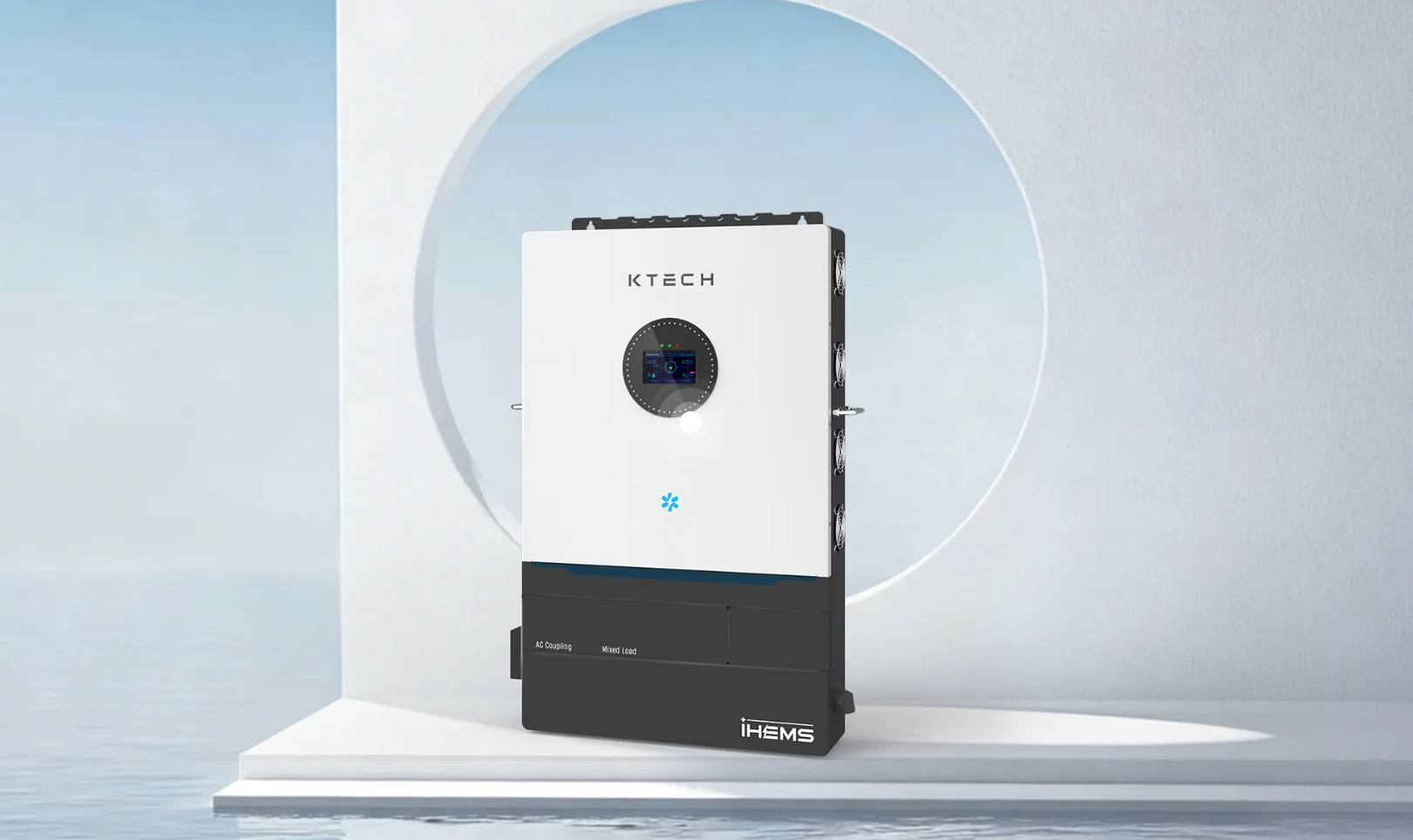
Buyers mix these terms because both manage PV and batteries, but the choice changes how your system behaves day to day. If you plan to orchestrate generation, storage and loads centrally, a home energy management system will reveal the real differences very quickly: one device is primarily an inverter with added battery support, the other is designed around integrated battery and grid logic from the start.
High-level comparison — what each is built to do
– Hybrid inverter: an inverter that converts DC from solar and batteries to AC, usually with add-on battery management. Good when you already have PV hardware and want battery-ready compatibility. – Hybrid solar inverter: typically marketed as an integrated solution where PV, battery and often export limits are managed as a single product. Tends to include stronger native support for off-grid and export control scenarios. – Practical outcome: the hybrid inverter is component-friendly; the hybrid solar inverter often reduces configuration work but can lock you into one vendor’s ecosystem.
Technical points buyers should weigh
– Battery control logic: some hybrid inverters pass battery management to an external BMS; hybrid solar inverters often embed BMS-aware charge/discharge strategies. – Grid interaction: look for support of anti-islanding, reactive power control and ramp-rate limits. These features matter if your utility enforces limits. – Scalability: standalone hybrid inverters can be easier to expand with third-party batteries. Integrated hybrid solar inverters may restrict expansion or require matched battery models. – Efficiency and topology: compare round-trip efficiency, AC-coupled vs DC-coupled setups, and whether the unit supports simultaneous PV export and battery charge. – Certification and standards: rely on IEC and IEEE compliance statements on the datasheet rather than marketing blurbs.
How software changes the game
Hardware is only half the picture. Systems that integrate smoothly with an energy management system software let you sequence charging, limit exports and shift loads with predictable outcomes. That’s why system behaviour in the field often depends more on software policies than on a single inverter’s label.
One real-world anchor to keep in view
Look at how utility programmes in California coordinate demand response through centralised energy management platforms; that coordination depends on reliable software interfaces between inverters and grid operators. This shows why compatibility and open communications matter for buyers planning to participate in grid services.
Common buyer mistakes and how to avoid them
– Buying based on marketing names: insist on specs — continuous power, surge capacity, battery chemistry compatibility. – Assuming every hybrid has the same software hooks: confirm the available API or protocol (Modbus, SunSpec, etc.) before purchase. – Overlooking export limits: some inverters need firmware configuration or external devices to cap export; check local grid requirements. – Mismatching battery voltage or topology: verify DC bus voltage ranges and supported coupling (AC vs DC) to avoid returns or costly rework.
Choosing for your use case
– If you want flexibility to mix brands, prioritise hybrid inverters with documented third-party integration. – If you prefer a single, turn-key package and minimal setup, an integrated hybrid solar inverter can save time. – If you plan grid services or load shifting, select hardware that exposes clear control points and pair it with capable management software.
Checklist for the final decision
– Confirm protocol support and open interfaces. – Verify compliance with local grid codes. – Match battery chemistry and voltage. – Review firmware update paths and vendor support. – Ask for a basic behaviour demo: charging schedule, export cap, and islanding response.
Synthesis
The clear distinction is this: choose a hybrid inverter when you want component-level flexibility; choose an integrated hybrid solar inverter when you want a consolidated solution that reduces configuration work. Technical specs, software compatibility and real-grid behaviour matter more than the name on the box. Rely on standards, check the control interfaces, and align the device choice with how you intend to manage energy and participate with the grid — many installers and system designers reach the same conclusion when they evaluate practical deployments. For practical projects that need dependable integration and continuous support, working with experienced partners like Ktech often simplifies the path from specification to stable operation.