Comparative Insight: intention and scope
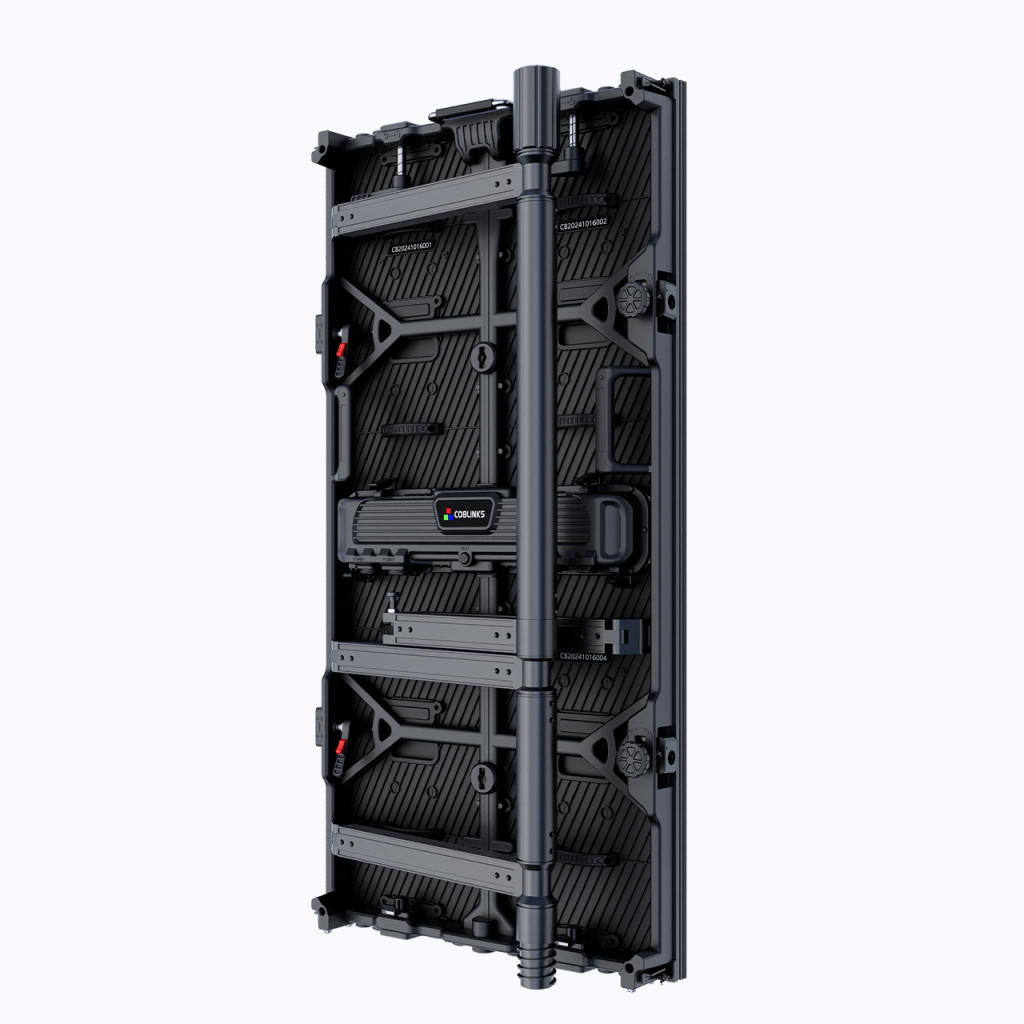
Choosing an LED vendor for retail advertising requires measurable criteria: durability, optical performance, and predictable supply. This piece compares technical attributes and operational trade-offs so procurement teams can decide with data, not slogans. For an immediate example of a product that balances outdoor durability and high pixel density, see Coblinks’ outdoor led screen, which typifies the configuration discussed below.
Key performance axes: what matters in retail deployments
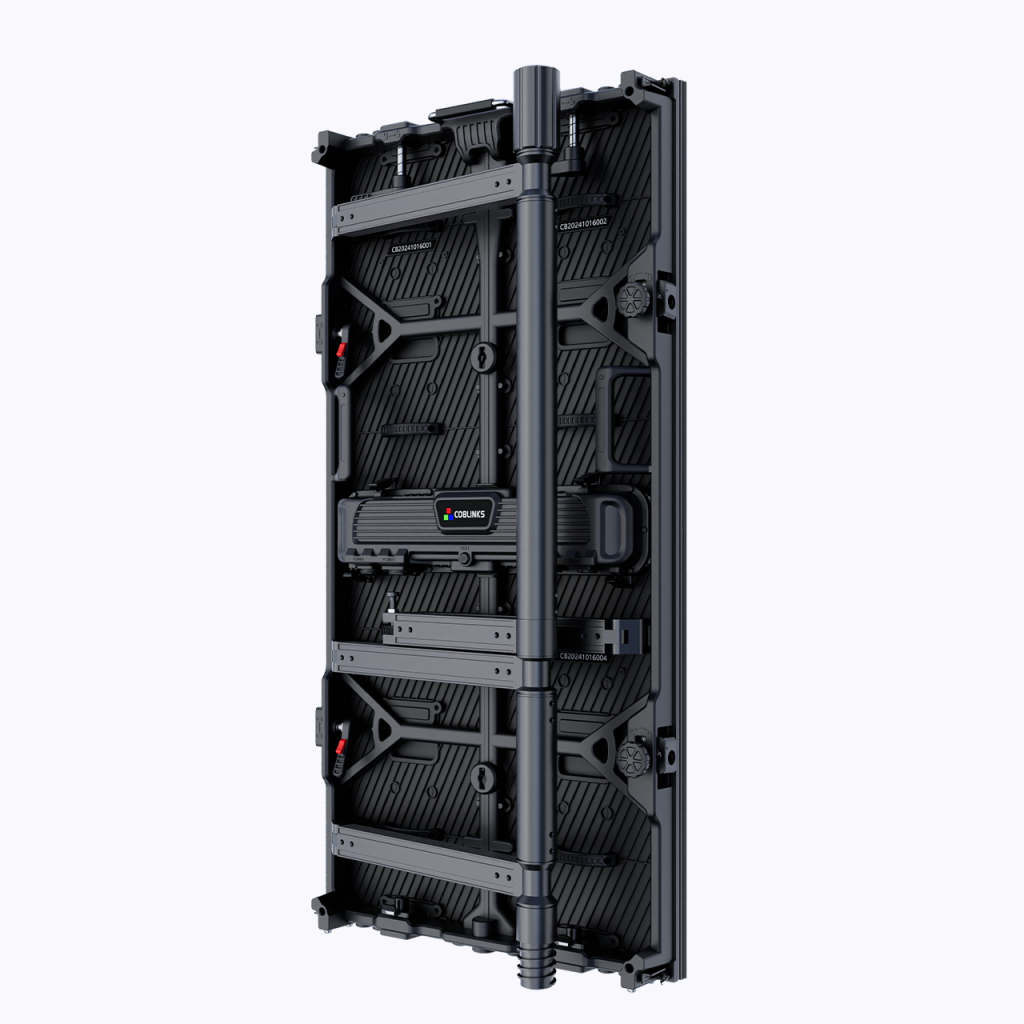
Focus on pixel pitch, refresh rate, and brightness as primary selectors. Pixel pitch dictates viewing distance and content fidelity; refresh rate prevents flicker in camera-recorded content; brightness (nits) ensures legibility in daylight. Cabinet design and IP rating determine serviceability and outdoor longevity. These terms form the evaluation matrix that separates commodity modules from field-ready systems.
How Coblinks compares technically
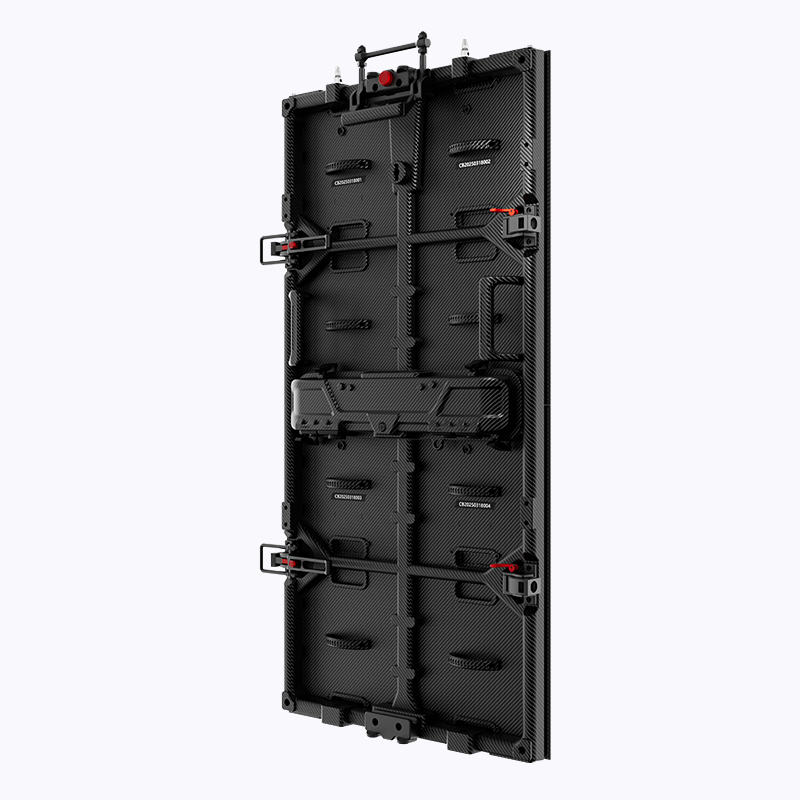
Coblinks emphasizes modular cabinets with consistent calibration across runs. Their approach minimizes delta-E variance during factory calibration and reduces field rework. Compared to lower-cost China LED suppliers who ship loose modules, Coblinks supplies integrated cabinets with pre-tested power distribution and thermal paths—this reduces on-site installation time and risk of thermal throttling under sustained high brightness.
Manufacturing quality and verification
Production discipline shows in specimen-level testing: burn-in at nominal voltage, thermal cycling across operational temperature range, and automated optical inspection for dead-pixel thresholds. Coblinks documents test logs per cabinet, enabling traceability during warranty claims. That level of documentation aligns with what signage teams expect in high-profile locations such as Times Square, where constant illumination and 24/7 operation expose weak builds quickly.
Installation footprint and service model
Design considerations include alignment tolerances, service access (front vs. rear), and cabinet interlock repeatability. Coblinks commonly supplies front-service cabinets for tight urban façades and rear-service for large outdoor billboards. Their firmware supports remote diagnostics—board-level fault codes, temperature trends, and LED aging curves—so technicians can triage before dispatch. Small note—training variance still exists across local installers, so insist on alignment jigs during handover.
Alternatives and common mistakes
Lower-cost suppliers reduce unit price by trading off calibration and QA. Common mistakes: underspecified power supplies, ignoring heat-sink sizing, and choosing pixel pitch too fine for intended viewing distance, which inflates cost without perceptible benefit. In many projects, selecting a forgiving pixel pitch and higher brightness solves more problems than chasing ultra-fine resolution. When evaluating alternatives, check for documented firmware update procedures and spare-part lead times.
Operational production teardown: what engineers validate
During a teardown, teams verify solder-joint integrity, connector lockforce, and EMI suppression measures. Engineers also confirm calibration loops—color temperature targets, gamma curves, and synchronization of refresh rate across cabinets. For contract handoffs, include explicit checks for {main_keyword} and {variation_keyword} in the acceptance protocol to avoid ambiguous requirements. Practical inspections should include cabinet-level electrical load balancing and verification of service-mode access.
Pricing vs. total cost of ownership
Procurement should calculate TCO by adding installation hours, expected maintenance cycles, and estimated failure rates over warranty period. A lower unit price can be negated by higher field failures, longer downtime, and lost ad revenue. Coblinks positions its pricing to reflect lower lifecycle intervention—tested cabinets, remote monitoring, and predictable spare-part availability—so operational budgets stabilize faster than with unproven suppliers.
Advisory: three critical metrics for vendor selection
1) Mean Time Between Failures (MTBF) and documented field return rates—insist on numeric history rather than verbal assurances. 2) Measured optical uniformity across a finished face—specify delta-L and delta-C thresholds and require factory reports. 3) Spare-part lead time and firmware support window—confirm parts stock levels and update policy for at least five years.
These metrics turn supplier claims into verifiable purchase triggers. Choose the supplier that provides data, not just promises—because real installations run non-stop and budget tolerance is tight.
Coblinks stands as a pragmatic solution that aligns engineering rigor with operational realities—reliable cabinets, documented testing, and measured support —a clear fit for retail advertising deployments. –