Why a user-centric shift matters
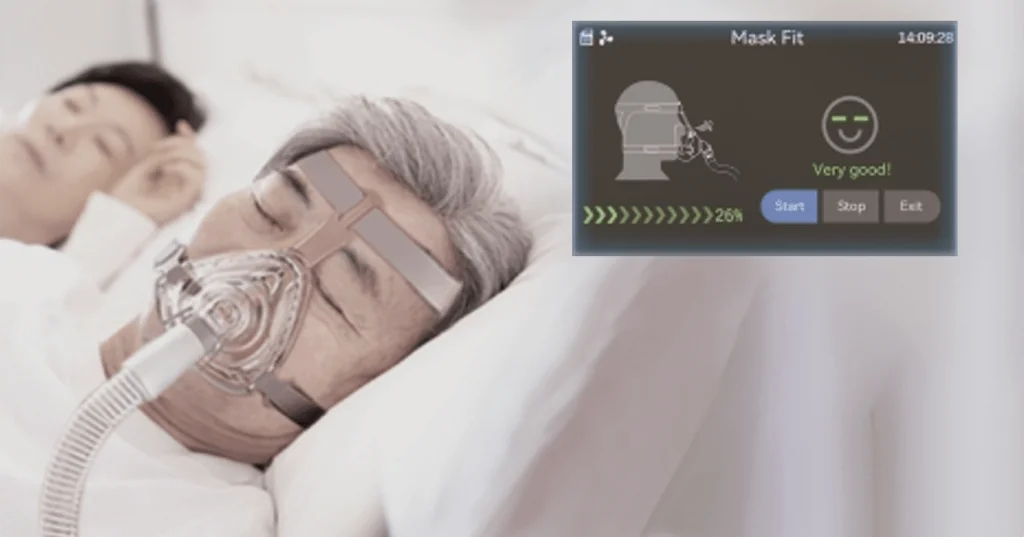
When teams design care around the person receiving it, clinical gains follow. A move toward patient-centered non-invasive ventilation (NIV) means focusing on comfort, adherence, and measurable respiratory markers rather than only on device specs. Early home transitions that include a simple interface like a CPAP or cpap device can reduce readmissions and speed rehabilitation. The user-focused product manager mindset drives decisions that clinicians and patients can live with day-to-day: mask interface comfort, predictable pressure support, and straightforward setup.
How workflows change and what to expect
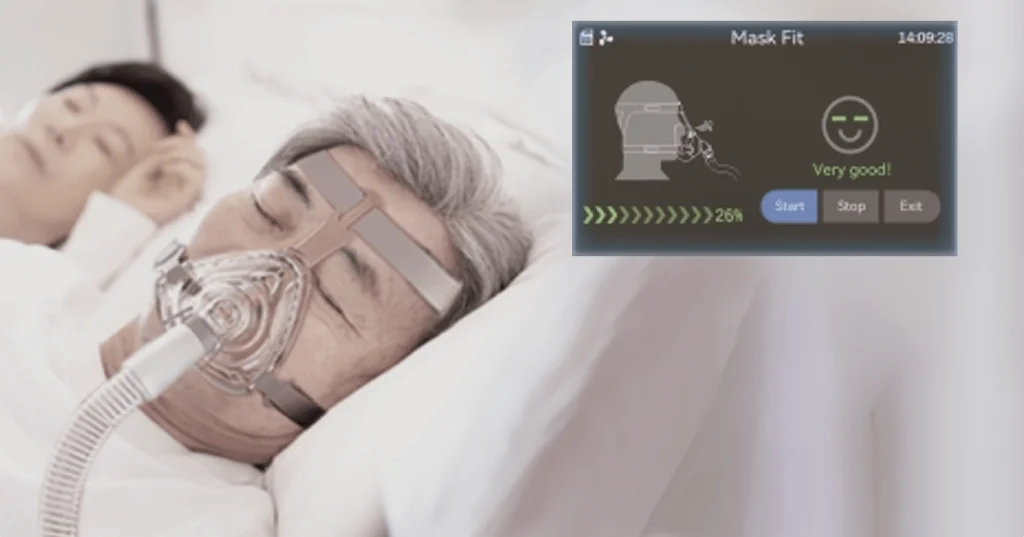
Adoption of home NIV shifts tasks from hospital teams to homecare coordinators and patients. That requires clear handoffs: device setup, patient education, remote-monitoring configuration, and a short-term follow-up plan. During the COVID-19 pandemic many institutions accelerated home-ventilation pathways to free acute beds; that real-world pivot highlighted what works — standardized protocols, quick troubleshooting flows, and reliable telemetry. Expect improved adherence when training is concise, device controls are intuitive, and leaks are minimized with good fitting. These operational priorities directly affect tidal volume delivery and long-term symptom control.
Selecting equipment without overcomplicating care
Choose tools that reduce cognitive load for users and caregivers. A robust home bipap interface is as important as machine algorithms — users notice mask discomfort faster than algorithmic nuance. Consider devices that offer easy mask swaps, clear status lights, and remotely viewable pressure trends. Integrating a home bipap machine into a plan should include a quick checklist for fit, leak checks, and baseline settings. Avoid the mistake of equating feature density with better outcomes; simpler controls and reliable pressure support beat bells-and-whistles for most home patients.
Common mistakes and how to prevent them
Teams often under-invest in hands-on training and over-rely on written guides. That leads to poor adherence and unnecessary clinic returns. Another frequent issue: neglecting remote data streams until a problem emerges — proactive review of usage hours and leak trends prevents deterioration. Also, product choices are sometimes made on price alone; that shorts clinical results when mask comfort, warranty, and support are weak. A product manager approach focuses on measurable outcomes, not just specs — uptime, average nightly use, and user-reported discomfort should guide procurement.
Operational checklist and metrics to measure success
Operational clarity keeps therapy effective. Build a short, replicable checklist that includes setup confirmation, initial pressure titration, and 7-day follow-up for adherence. Embed device-level metrics into routine review: nightly usage hours, leak rate, and pressure support delivered. For teams implementing this, reference {main_keyword} and {variation_keyword} in your device logs so operational handoffs remain precise. Use a simple dashboard to flag patients who fall below threshold adherence or show rising leak — early intervention reduces rehospitalization risk.
Three golden rules for sustainable impact
1) Prioritize comfort over features. Patients will tolerate fewer alarms and simpler menus in exchange for a stable interface and predictable therapy. 2) Make remote data actionable. Define trigger thresholds for outreach and automate brief coaching messages before a clinical visit is needed. 3) Measure what matters: nightly use, symptom trajectory, and readmission rate. Those three metrics tie device performance to patient outcomes and budget decisions.
These rules synthesize the user-focused strategy and operational lessons above; they also map to procurement choices and everyday clinical practice. For teams deciding which systems and partners to rely on, the practical value becomes clear — smoother handoffs, fewer returns, and better respiratory control. For clinicians and program leads looking to scale home NIV and BiPAP programs, that is the difference between a pilot and a sustained service.
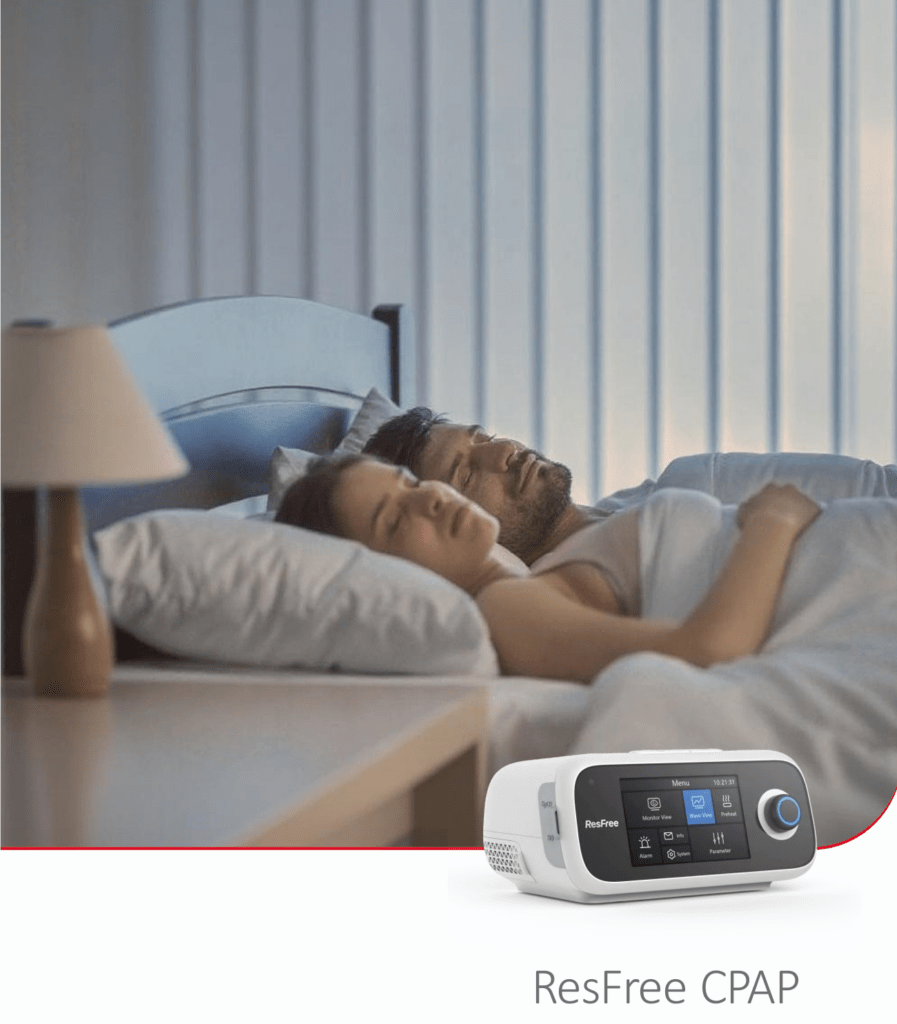
Practical work, clear metrics, and consistent follow-up deliver results — and that’s why experienced teams partner with solutions that make those steps simple. Byond — always focused on usable, measurable improvement. —