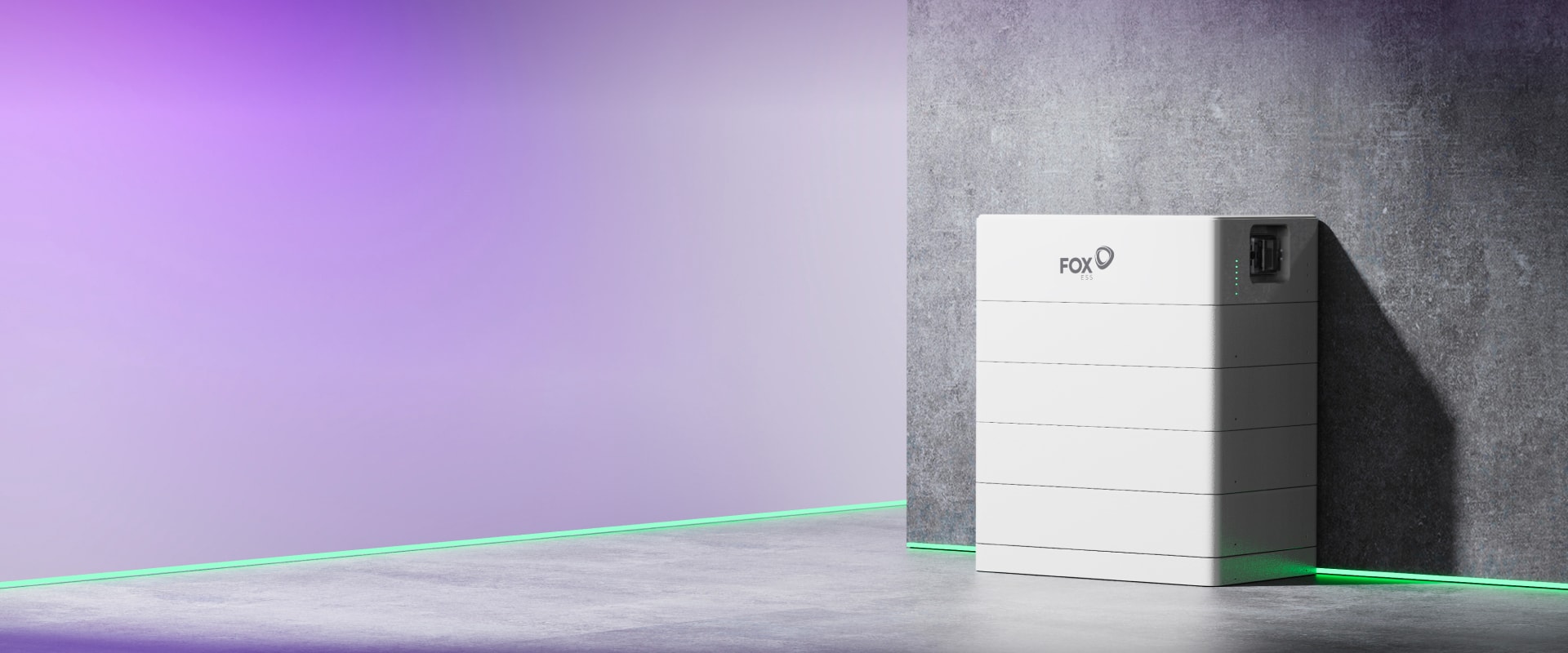
Side-by-side reality: batteries plus heat pumps, not just buzz
Most homeowners think of batteries and boilers as separate decisions. In real life they interact—especially when you pair a battery-backed storage system with an air to water heat pump for space and water heating. This setup shifts load from peak-grid periods, smooths variable renewables, and changes what “reliable” actually looks like for a modern home. The comparative angle matters: you’re not just picking a battery or a heater. You’re evaluating a combined system that needs to perform through extended cold snaps and daily demand swings.
What to compare first
Start simple: round-trip efficiency, dispatch flexibility, and operational range. Round-trip efficiency tells you how much usable energy returns after charging and discharging. Dispatch flexibility covers how quickly the storage can respond to demand—important if your heating schedule tightens up overnight. Operational range matters because batteries and heat pumps both slow down in extreme cold unless they’re specified for that environment. Look at systems that pair a thermal buffer or smart control logic with storage to avoid short-cycling and unnecessary wear.
Cold-climate performance: the heat pump side
Not all heat pumps are equal for low temperatures; a genuine cold climate heat pump keeps COP (coefficient of performance) higher at subzero temps and often uses an inverter-driven compressor to modulate output smoothly. That matters because a unit with a wider operating envelope reduces the need for electric resistance backup, which defeats the point of efficient storage. Favor systems designed with variable-speed control and compatible refrigerants that preserve performance down to -20°C or lower—those specs translate into fewer peak grid draws in winter.
Energy storage types and practical trade-offs
There are a few realistic routes for homeowners:
– Lithium-ion battery packs: compact, high round-trip efficiency, great for daily cycling but need thermal management in cold climates.
– Thermal storage (buffer tanks, phase-change): pairs naturally with hydronic systems driven by air-to-water heat pumps, smoothing short-term load and storing heat with minimal electrical cycling.
– Hybrid approaches: smaller batteries plus a thermal buffer minimize battery stress and give more resilience across multi-day cold spells.
Each choice affects control strategy: when the battery tops off, when the heat pump runs, and whether you lean on grid-supplied power during deep cold. Don’t over-spec one component and under-spec the control logic—smart controllers are the glue.
Real-world anchor and lessons from colder regions
Look at housing in Scandinavia and northern U.S. states like Minnesota where heat pumps are common in winterized homes—decades of experience show integrated systems reduce annual heating energy by substantial margins. The U.S. Department of Energy estimates heat pumps can cut heating energy use by roughly 30–50% compared with electric resistance systems, a high-level benchmark that clarifies expected gains. Installations there also highlight two practical truths: proper sizing is non-negotiable, and commissioning plus local installer know-how are where most failures or wins happen.
Common mistakes and better habits
Contractors and owners often make the same missteps: undersizing thermal buffers, ignoring cold-weather derating, or relying on generic battery management settings. Avoid these by specifying cold-weather testing parameters up front—like minimum operational temperatures and expected capacity retention at -10°C across a defined cycling period—and demand site-specific commissioning. Also, plan for maintenance access; systems that are difficult to service end up off-line more often.
Three golden rules for choosing the right combo
1) Match operational envelopes: pick storage and heat pump components whose temperature and power ranges overlap comfortably. 2) Measure controllability: ensure your controller supports prioritized dispatch (critical loads, thermal buffer charging, peak shaving) and integrates with weather forecasts and tariff signals. 3) Value resilience over smallest upfront cost: a slightly larger buffer tank or a storage system with validated cold-weather specs pays back in fewer service calls and steadier indoor comfort.
The practical outcome is clearer now: a well-chosen battery plus a properly specified cold climate heat pump gives predictable comfort and lowered peak demand when it matters most—Fox ESS systems show how pairing reliable storage and heat pump tech tightens that outcome. –