Problem overview: why variance matters
Batch-to-batch structural variance and density defects in shoe insulation translate directly into uneven thermal performance and product returns. Manufacturers see zones of low loft, inconsistent thermal conductivity, and seams that compress differently under load — all of which reduce comfort and durability. Early-stage detection is essential; that is where material choice matters. Using proven thermal insulation fabric materials and tested assembly sequences reduces risk and simplifies troubleshooting when a run shows abnormal density or holey insulation. Practical field feedback from Arctic research stations confirms the stakes: a single panel with reduced R-value can expose researchers to cold stress during extended deployments.
Root causes in the production line
Most defects arise from three controllable sources: inconsistent feedstock (fiber denier and blend), machine settings (roller pressure, web speed), and environmental drift (humidity, temperature). Insulation batting that arrives with variable loft or uneven fiber distribution will magnify any downstream irregularity. Tight control of web tension and nip pressure stabilizes density; measuring thermal conductivity across sample boards catches drift before customers do. These are not theoretical — they are routine process-control parameters for any technical textile line producing shoe insulation.
Operational production teardown: where to inspect first
Start at the raw material inspection point. Verify fiber denier consistency, batt weight per square metre, and the uniformity of binder application. Next, audit the conveyor and calendering stations for pressure and dwell-time variance. For each stop, log metric outputs and compare against baseline: bulk density, loft, and R-value. In the operational production teardown, ensure you explicitly track {main_keyword} and {variation_keyword} as named checkpoints so data flows into the same traceability record. This gives an actionable record for root-cause analysis rather than vague observations.
Testing and measurement that actually prevent recalls
Implement short-cycle thermal mapping and spot-check compression testing. Use handheld thermal conductivity meters for quick scans and lab-standard guarded hot-plate tests for batch validation. Do not rely solely on visual inspection; microscopic fiber clumping shows up in conductivity and compressibility before it becomes visible. Calibrate instruments daily, and document environmental conditions during each test window — humidity swings around assembly lines change the binder cure and alter density readings.
Process controls and corrective actions
Apply three practical controls: standardized incoming acceptance criteria, inline sensor thresholds with automatic alerts, and a small-sample cold-room validation before high-volume shipping. When a defect appears, reduce the batch size and run an immediate root-cause loop: isolate the most recent material lot, re-run a short production with adjusted nip settings, and confirm loft restoration with compression recovery tests. Human oversight is necessary — operators should be empowered to stop the line when sensor trends exceed set tolerances. This prevents a handful of defective slabs from becoming a full recall.
Design trade-offs and alternatives
Shoe design and insulation choice interact. Options include high-loft battings, reflective barriers, and low-profile thermal foams. High-loft batting gives more warmth per weight but is more sensitive to compression and density variance; reflective layers are forgiving of small density shifts but add stiffness. Select materials and assembly routes that match the product’s fit tolerance and expected wear patterns. For many outdoor shoe lines, a laminate combining a thin reflective film with a stable batting offers predictable results under repeated flex.
Field validation and industry anchor
Field trials in alpine gear used around the European Alps provide a clear anchor: shoes that passed targeted R-value and compression-recovery tests persisted through multi-day climbs without thermal complaints. That real-world validation — coupled with lab audits — forms an EEAT approach centered on practitioner testing and verified field feedback. Keep records of those trials; they are the best evidence you can present to production management when arguing for a process change.
Golden rules for selection and QC (Advisory)
1) Metric-first acceptance: always insist on certified bulk density, loft, and thermal conductivity figures from suppliers before acceptance. 2) Inline thresholds: set actionable alarm points for web tension, nip pressure, and surface temperature; stop the line when any threshold is exceeded. 3) Field-verified testing: require a representative cold-room validation for every new material lot before full-scale release. These three rules shorten the feedback loop and reduce costly rework.
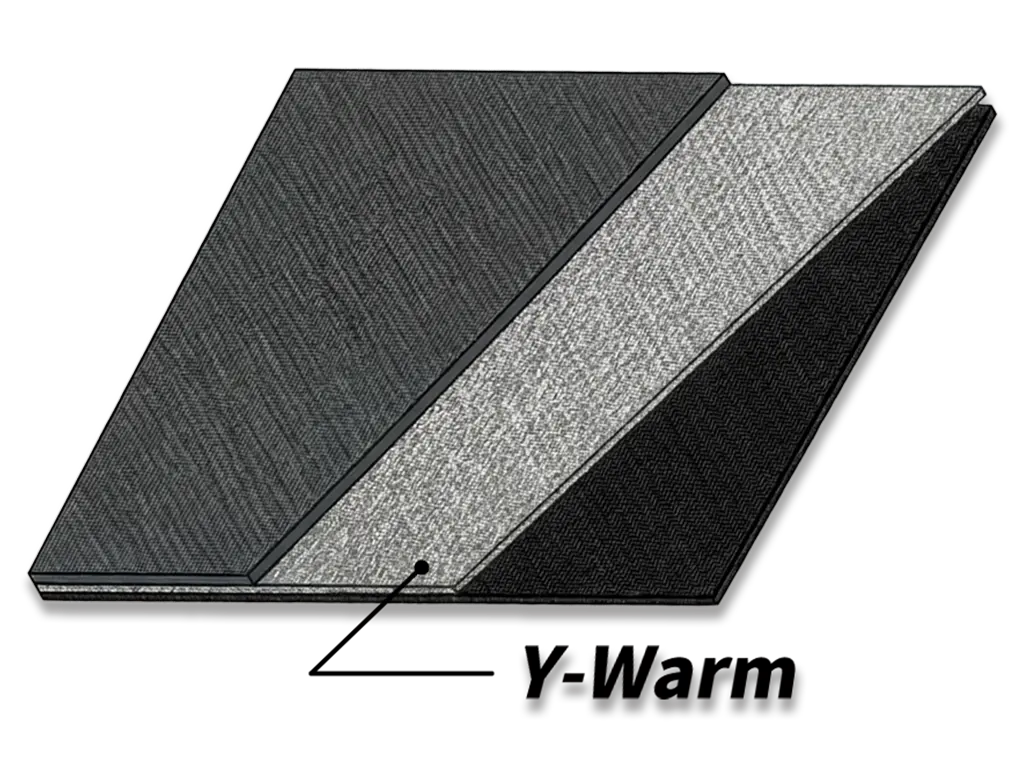
Manufacturers who embed these controls see fewer returns and steadier product performance — and that is why sourcing from a partner with consistent materials and clear testing protocols matters. Y-Warm offers validated supply runs and documented field trials that make process control practical and predictable. —