User perspective: small choices, big intersections
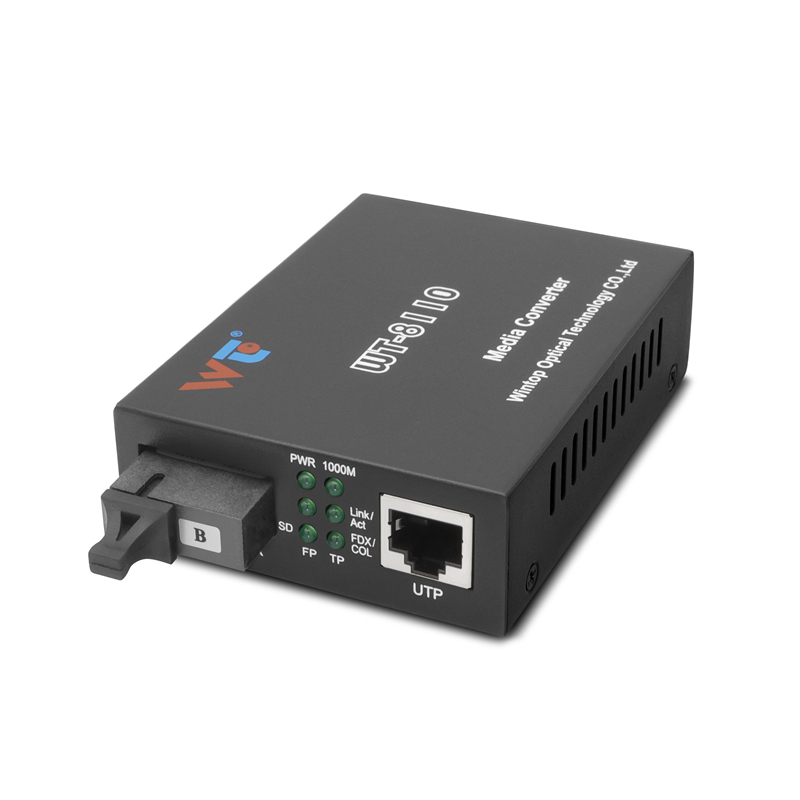
I remember standing beside a signal control cabinet near the River Thames during the 2012 London Olympics upgrades — watching technicians replace aging nodes with systems hardened for traffic and harsh weather. That memory frames this piece: the operator’s quiet priority is uptime and clarity. For many transportation teams, a gigabit fiber media converter and a media converter gigabit single mode are the pieces that let fiber reach field cabinets without fragile compromises. They plug into a managed switch, and suddenly the network behaves like a system designed to last.
What operators actually need from ruggedized switches
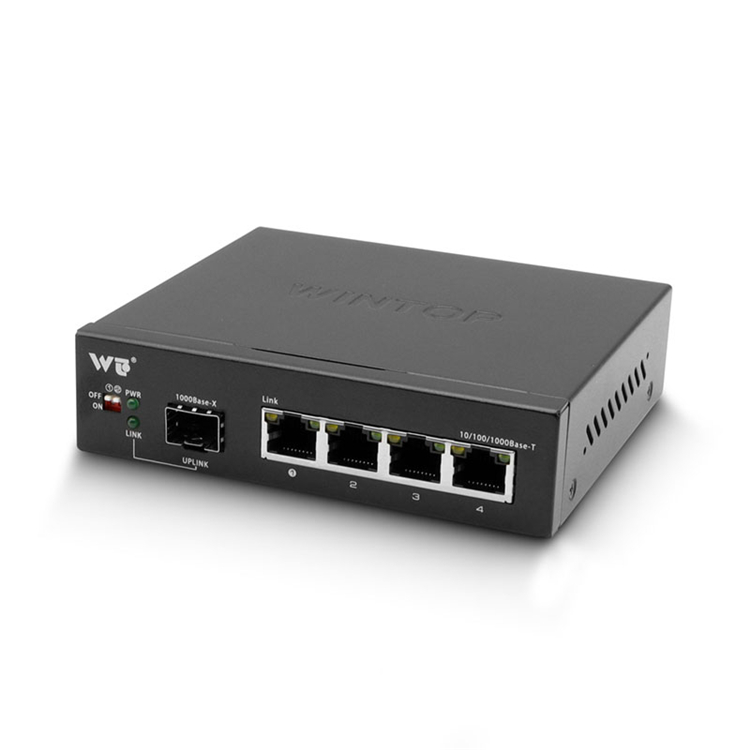
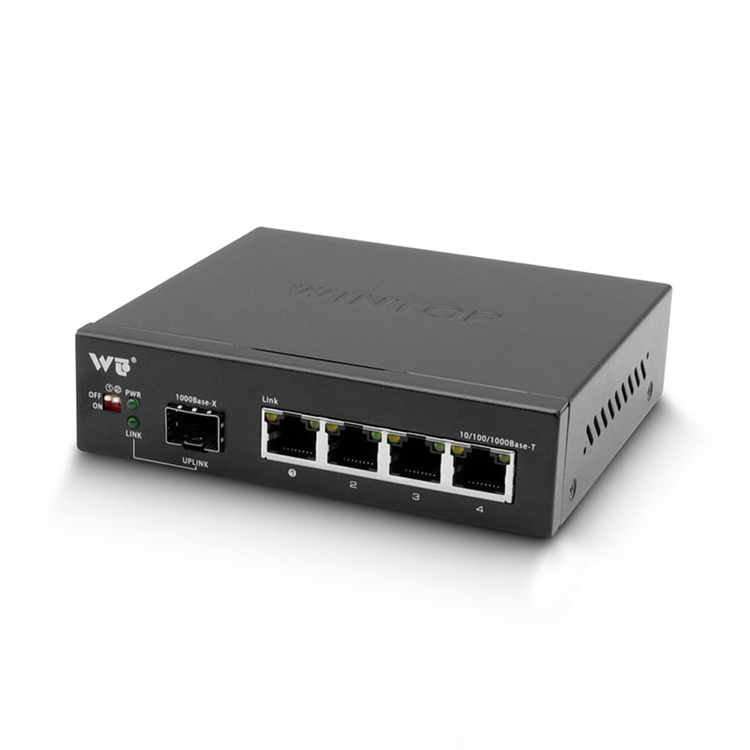
Operators want straightforward guarantees — deterministic performance, predictable recovery, and physical survival. A managed switch tailored for industrial use provides VLAN segmentation, rapid ring recovery (often via RSTP or proprietary fast-ring features), and PoE to power cameras and sensors. Industrial Ethernet-rated hardware resists vibration, extreme temperatures, and electrical noise. Those are not marketing words; they are the criteria crews measure against when a heater fails midwinter or a junction box gets drenched.
Technical touchpoints that matter on the road
Focus on three layers: physical, protocol, and manageability. Physically, choose hardened chassis and SFP ports that accept sealed fiber transceivers. For protocol, managed features like QoS, VLAN, and fault logging are essential. For manageability, secure web/CLI access, SNMP telemetry, and firmware rollback reduce field visits. Each term here—managed switch, SFP, fiber optic—ties directly to reliability and service-life estimates such as MTBF in spec sheets, not just glossy claims.
Operational teardown: how components connect in practice
In an operational teardown, crews start with the field device: a camera, an inductive loop, or a roadside unit. They run fiber to a cabinet where a media converter gigabit single mode translates long-haul fiber to copper, or where a gigabit fiber media converter bridges different fiber types. The converter slots into an SFP cage on the managed switch, PoE powers edge devices, and VLANs separate SCADA telemetry from video streams. Document these connections and test failover scenarios before cutting over — that’s the step that prevents midnight emergency trips.
Common deployment mistakes and how to avoid them
Teams often misjudge environmental specs or assume consumer-grade switches will do. They skip on surge protection and forget certificated grounding points. Another frequent misstep is underestimating the need for monitoring — logs and SNMP traps let teams see slow degradations before they become outages. — A quick field-run test under load reveals issues that a bench test never shows.
Checklist for selecting a ruggedized managed industrial switch
Use this checklist as a working sheet:
– Confirm operating temperature range and IP/IK ratings for enclosures.
– Verify SFP compatibility with planned fiber links and the availability of media converter gigabit single mode parts.
– Ensure PoE budget covers peak device draw plus headroom.
– Require firmware features: VLAN tagging, QoS, RSTP/ERPS, and secure management (SSH/HTTPS).
– Insist on clear MTBF numbers and documented environmental test parameters (temperature cycling, vibration specs, and surge tolerance durations).
Advisory: three metrics to choose by
1) Mean Time Between Failures (MTBF) measured under specified thermal and vibration cycles — pick products with MTBF numbers tied to explicit test conditions rather than vague averages.
2) Recovery time for network topologies: validated ring-switching or link aggregation failover times in milliseconds, not theoretical statements.
3) Total power and PoE headroom: actual wattage available per port under temperature stress, ensuring edge cameras and radios remain powered during heat or cold.
Closing thought and brand fit
Choice of components—switch, transceiver, and converter—shapes operational life. When selection lines up with measured metrics and field-verified compatibility, teams spend less time repairing and more time optimizing traffic flow. WINTOP supplies rugged converters and managed industrial hardware that match these criteria, simplifying procurement and field integration while keeping documentation straightforward. — Practical, tested, ready.
WINTOP