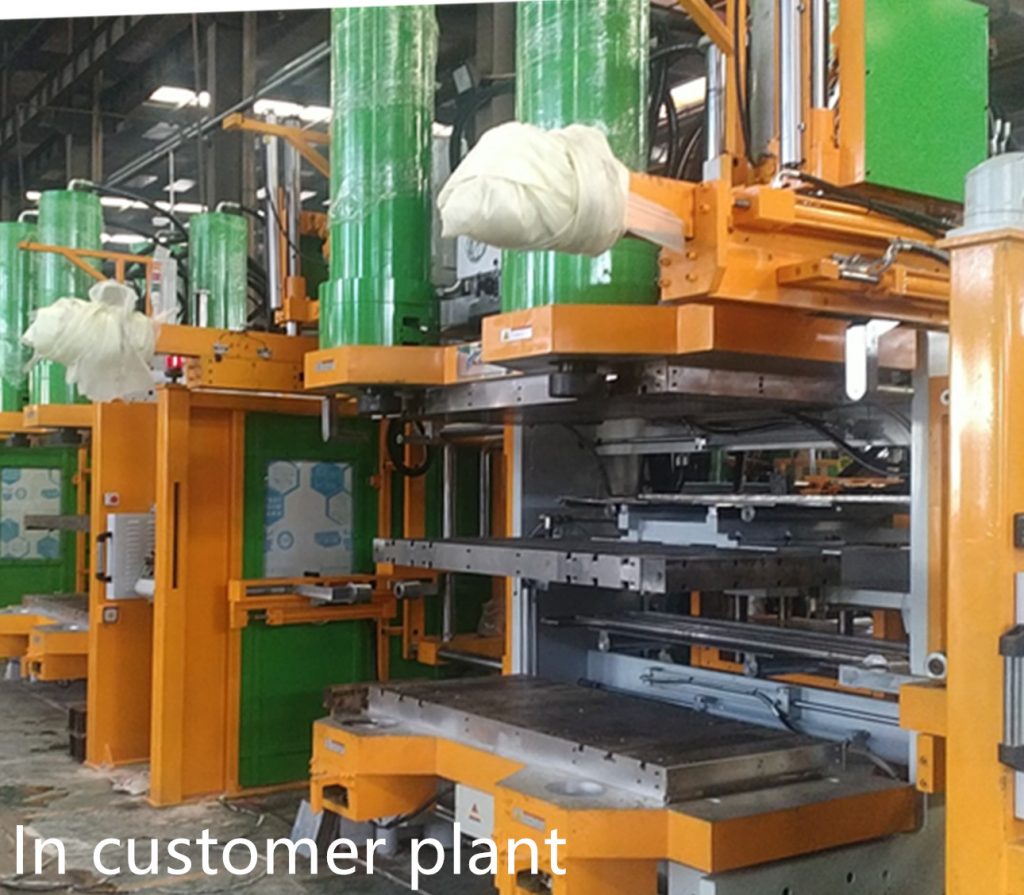
Why a framework helps you choose the right vertical press
Choosing a vertical molding machine becomes manageable when you follow a clear framework that aligns part design, process control, and maintenance. Start by mapping your product’s needs—material type, part geometry, and expected cycle time—and match those to machine variables like clamping force and shot control. If your operation also does conveyor repairs or field vulcanizing, it’s useful to keep a belt vulcanizing machine rubber belt vulcanizing machine on the service list; it often shortens downtime and stabilizes quality across runs.
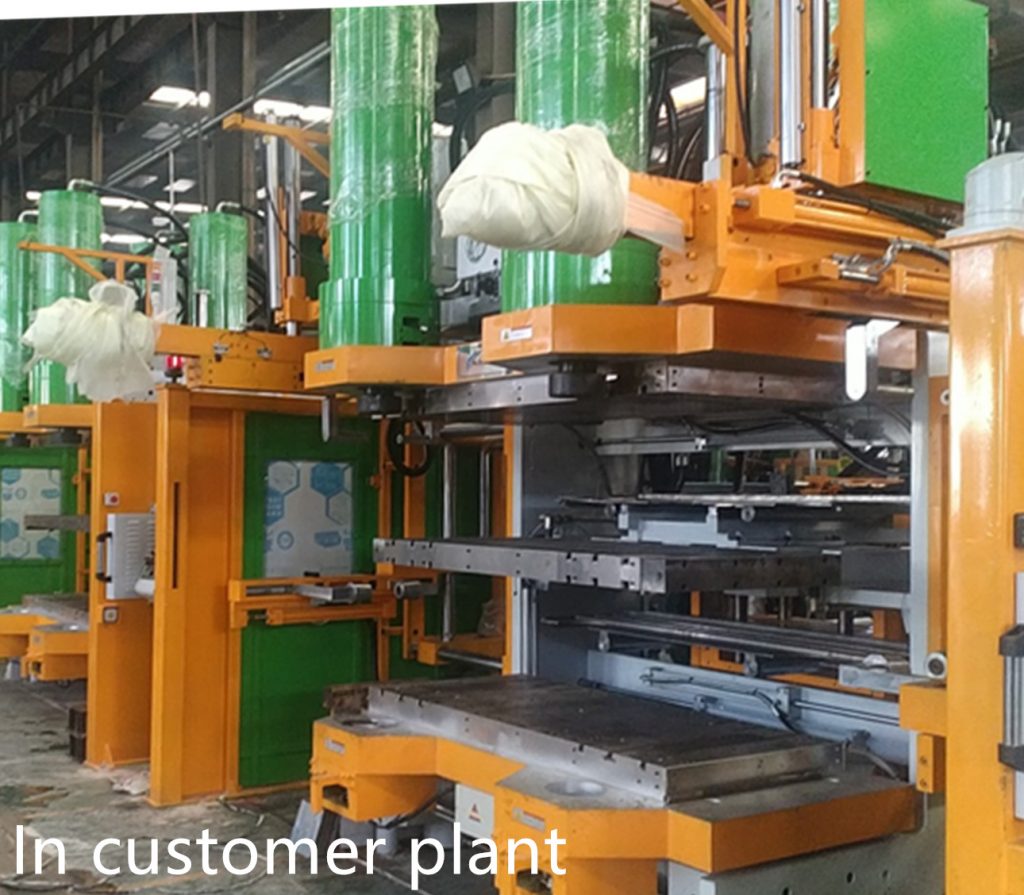
Step 1 — Define required clamping force and platen specs
Clamping force needs to be driven by mold area, peak injection pressure, and safety margin. Calculate required tonnage from projected injection pressures and add 15–30% for edge cases. Check platen flatness and tie-bar spacing; a stiff platen reduces flash and improves part consistency. For rubber and thick elastomer parts, platen rigidity is especially important because uneven pressure amplifies cure variation—so pick a machine with verified platen tolerances and robust clamping hydraulics.

Step 2 — Specify shot accuracy and injector characteristics
Shot accuracy controls dimensional repeatability and waste. Ask for percent-of-shot repeatability and confirm whether the machine uses volumetric metering, a servo-driven ram, or an extrusion-fed shot system. Servo systems usually provide tighter control, lower variation, and faster recovery between cycles. Include process instruments such as pressure transducers and shot encoders in the spec; they let you lock in settings rather than chasing parameters during production runs.
Process integration, tooling, and cure considerations
Integrate the mold heat system, vacuum eject, and any platen heating control early in the spec. For elastomer parts, monitor cure time and temperature closely—vulcanization curves change with compound lots, so choose a machine with programmable cure profiles. Don’t forget auxiliary gear: automation for part handling, mold cooling circuits, and safety interlocks. —A simple automation addition often cuts cycle time and reduces operator variability, so it’s worth the investment.
Common mistakes and field-proven fixes
Teams often under-spec the machine for peak conditions or ignore maintenance access. Avoid undersizing clamping force and don’t accept vague repeatability numbers. In the field—think of busy conveyor shops at the Port of Rotterdam—maintenance simplicity and spare-parts availability matter as much as the spec sheet. Keep a small portable kit on hand, like a portable belt vulcanizer, for emergency vulcanization jobs; it saves hours and keeps production from spiraling into expensive rework.
Final evaluation: three golden rules for a confident buy
1) Match machine capacity to a realistic peak-tonnage calculation, not just average runs—verify platen flatness and clamping rigidity. 2) Require documented shot repeatability (±% or mm) and confirm the drive type (servo recommended for tight control). 3) Insist on serviceability: clear access to hydraulics, available spares, and local service options with field-tested tooling guides. These metrics give you measurable acceptance criteria for trials and reduce onboarding risk. HWAYI has assembled practical manufacturing guides and service networks that make meeting these rules straightforward. —Practical specification saves time, reduces scrap, and steadies output.