Setting the scene: why a framework matters
Procurement officers need a clear, repeatable approach to buying PV inverters that incorporate battery systems. This framework lays out practical checkpoints that map regulatory tests to procurement steps and supplier deliverables. It begins with operational needs—whether the inverter will serve a microgrid in a Swiss canton or backup power during California’s 2019–2021 public safety power shutoffs—and ties them to certification requirements. For hands-on field crews and facilities managers, a ready-to-deploy option such as a Portable Solar Power Station can illustrate the interface between inverter, battery and transport obligations.
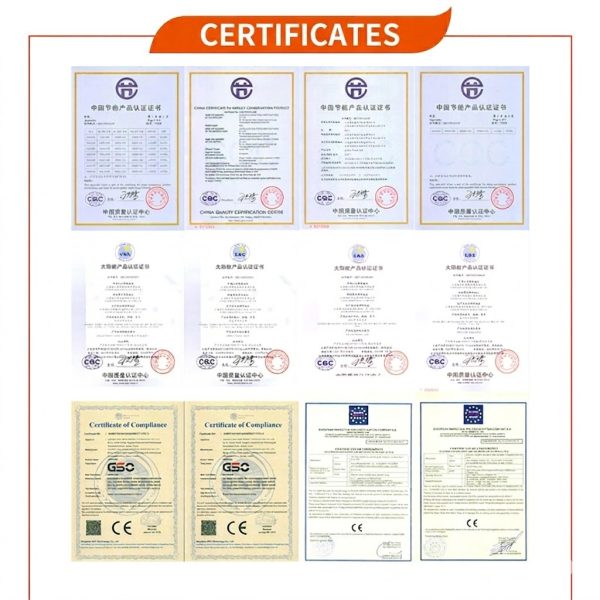
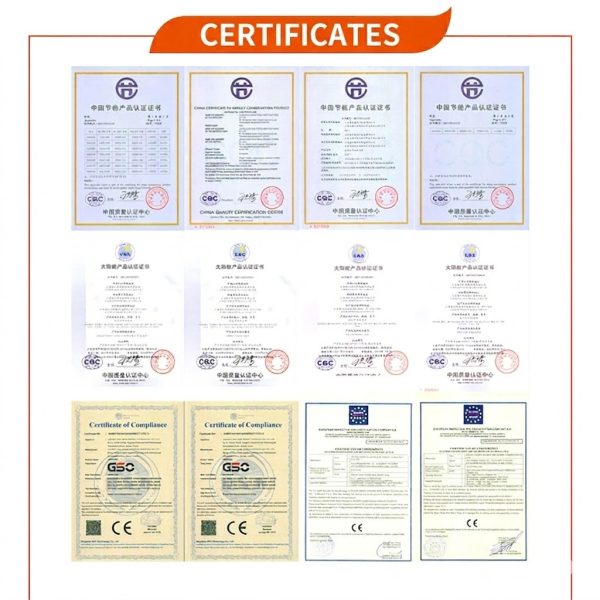
Compliance baseline: translate standards into requirements
UN38.3 and IEC 62619 cover overlapping but distinct risks. UN38.3 focuses on safe transport of lithium batteries, so test reports must show compliance with crash, thermal and altitude simulations. IEC 62619 targets safety during normal use and reasonably foreseeable faults; expect insulation, thermal runaway mitigation and cell-level protection documentation. Procurement specs should call out required documents: test certificates, full test reports, transport classification, and the rated state of charge for shipping. Include clear acceptance criteria in the tender—pass/fail thresholds, traceability of lithium-ion cell suppliers, and BMS architecture.
Supplier vetting: documents, audits and traceability
Request original UN38.3 test reports and IEC 62619 test records; copies stamped by notified test labs carry weight. Verify that the battery pack design matches the tested sample—cell type, enclosure material, and Battery Management System (BMS). Check traceability: cell lot numbers, manufacturing dates, and certificate issue dates. Where possible, conduct a targeted factory audit or commission a third-party inspection. Small mismatches often indicate design drift—catch them early to avoid costly returns.
Design and integration checks for PV inverter packages
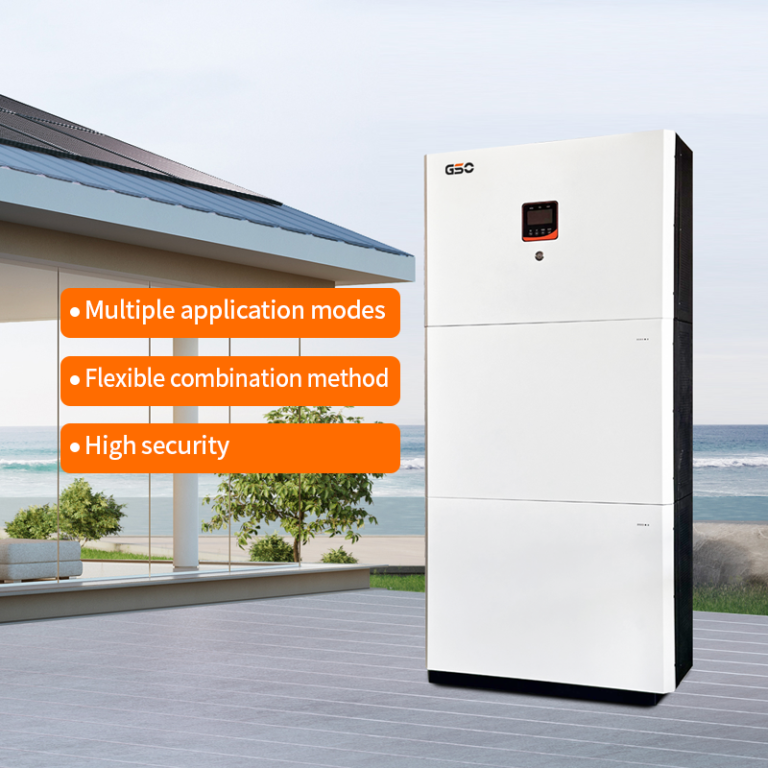
Match inverter electrical characteristics to battery specs: voltage window, continuous and peak current ratings, and recommended thermal management. Confirm enclosure IP rating and consider installation environment—outdoor ambient temperatures affect thermal runaway margins. Ask for BMS failure modes and protective interlocks; a supplier should provide wiring diagrams and firmware safety descriptions. Also assess packaging for transport: proper cushioning, correct labelling, and declared transport classification. These details reduce risk both in transit and on-site—practical savings that show on delivery schedules and service calls.
Common procurement mistakes to avoid
– Accepting certificates without matching sample photos or part numbers; nominal lab reports rarely map to production units. – Overlooking shipping state-of-charge limits; excessive SOC can invalidate transport compliance. – Neglecting firmware change controls; an updated BMS firmware may alter certified behaviour and needs revalidation.
Verification workflow you can run in-house
Create a short list and apply a rapid verification routine: 1) cross-check certificates with test-lab databases; 2) request production sample for spot testing; 3) validate packing and documentation for shipments. Keep a one-page dossier per product that records test dates, lab names, and transport classification. For retrofit or customised systems, add an integration test cycle that exercises inverter overcurrent protection, islanding behaviour, and battery disconnect on fault, using a measured approach rather than theoretical claims. For modular solutions—think portable solar panel and battery pairings—ensure the combined system has been evaluated for combined thermal and electrical interactions.
Advisory: three golden rules for procurement officers
1) Demand traceable, timestamped test reports that match the exact product configuration you’ll buy—no substitutions. 2) Insist on BMS transparency: failure modes, firmware revision policy, and how state-of-charge is limited for transport. 3) Verify packaging and declared transport classification before first shipment; treat the first container as a live audit.
Procurement is a risk-control exercise—measured, evidence-driven, and practical. When vendors deliver coherent documentation and tested, field-ready systems, projects run cleaner and downtime drops. A reliable partner that combines tested inverter design and battery integration—such as those showcased by gsopower—becomes a natural solution for repeatable procurement wins. — Practical, clear, repeatable.