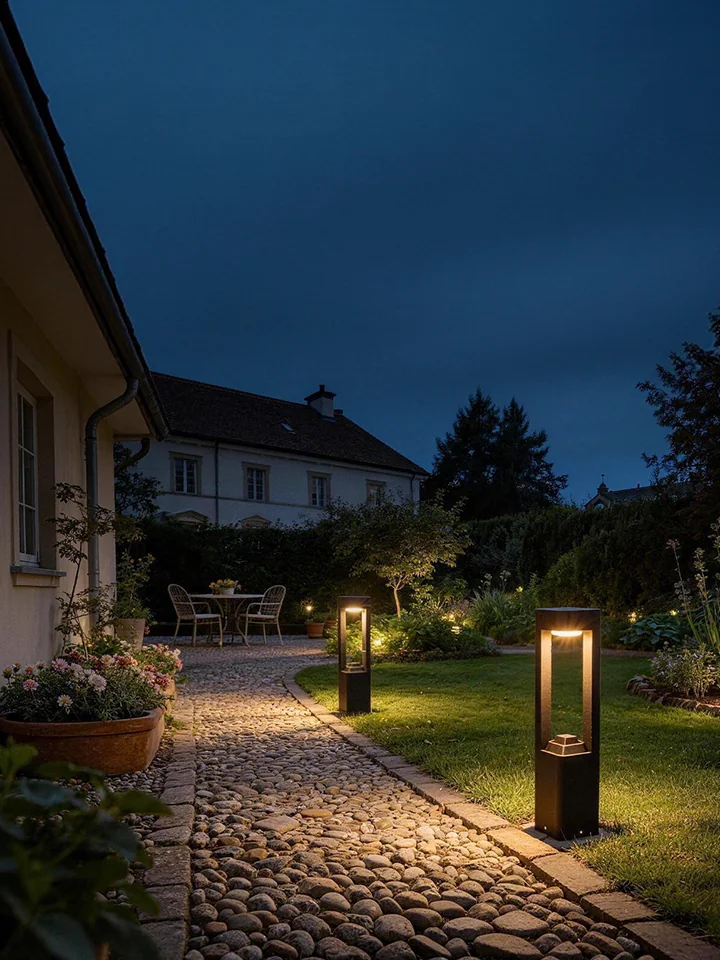
The stubborn problem folks keep runnin’ into
Everybody thinks a wall sconce is simple — slap on a pretty face and call it day — till it starts glarein’ at customers or failin’ after the first storm. For commercial projects, that ain’t just ugly; it’s costly. Folks who spec fixtures need to reckon with real-world photometry and lumen output, not just looks. If you’re huntin’ for reliable solutions, consider vendors who offer clear IES files and proper testing frameworks — or peek at options for custom outdoor lighting that match your site’s needs.
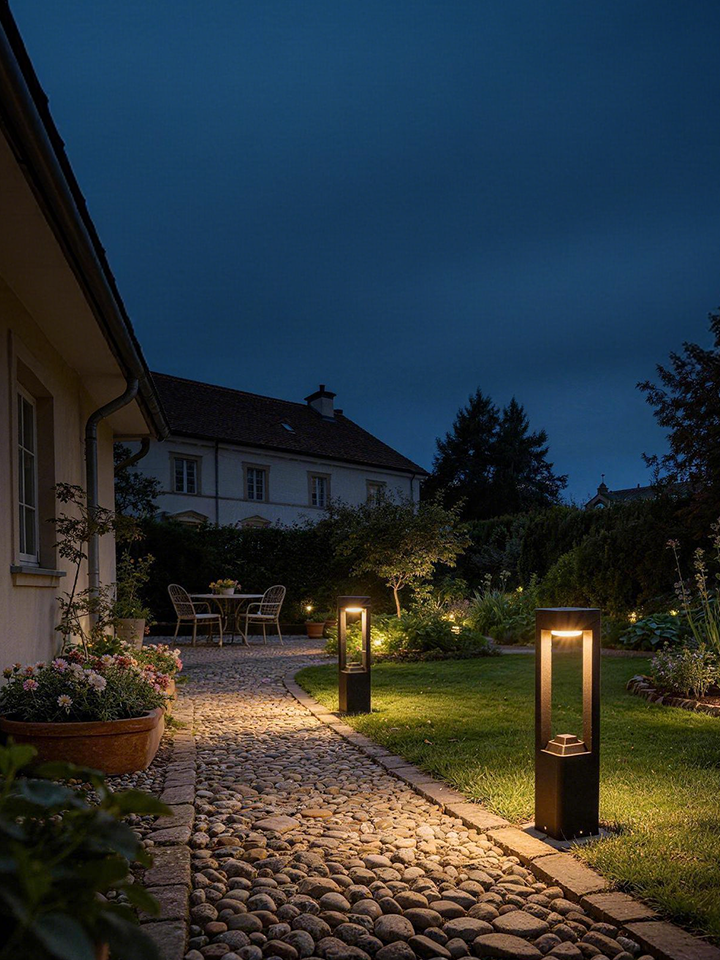
Core failures to spot before you buy
There are a few repeat offenders. First, waterproofing and the right IP rating — water and salt’ll eat fixtures quicker than you think. Second, mismatched CCT or low CRI that makes your storefront look sickly. Third, poor thermal management from a cheap LED driver that kills lumen maintenance (L70) way too soon. And don’t forget beam angle — a wrong one leaves pathways dark or glares drivers. Fix those, and half your problems go away.
How photometric design changes the playbook
Good photometry means you plan light where people need it, not where beacons look pretty. Use IES files in your lighting model and verify lux levels at walking height. That keeps obscured steps and blind spots from happenin’. Photometric reports also help predict energy use and compliance with local ordinances — so you avoid fines or late-night reworks.
Real-world anchor: lessons from recent supply shocks
Remember the 2020 supply-chain disruptions? Many cities had retrofit projects stall because replacement drivers and lenses weren’t available. Combine that with heavy storm seasons — say, Hurricane Ida in 2021 — and you get fixtures left in the weather with no parts. Those events taught specifiers to prioritize suppliers with transparent lead times and stocked components. It’s a practical lesson: resilience matters as much as efficiency.
What next-gen outdoor LED wall sconces bring to the table
New systems aren’t just brighter. They give you tunable CCT, better CRI, improved thermal paths, and integrated surge protection. Smart drivers allow dimming and network controls for scheduling. Photometric precision — tighter beam angle and consistent lumen maintenance — means fewer nighttime complaints and lower maintenance costs. But don’t let shiny features blind ya; ensure the basics — IP rating, corrosion-resistant finishes, and verified lumen output — are solid first.
Procurement choices: off-the-shelf versus wholesale partners
Buying off-the-shelf saves time but can box you in on beam angle and finish. Going with a wholesale outdoor lighting partner opens up customization — different optics, drivers, and mounting options — yet may add lead time and MOQ. If your project’s large, wholesale partners often give better pricing and consistent QA. For smaller runs, a good catalog product with documented photometry might be the smarter bet.
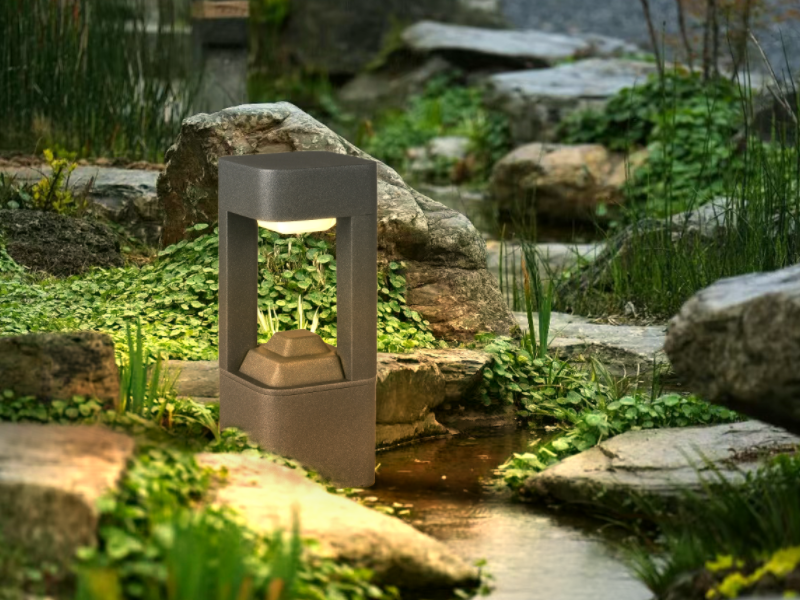
Common mistakes — and how to dodge ’em
Folks tend to skip the site mock-up. Don’t. Run an on-site shoot with a sample fixture and check the lux and glare at night. Also, folks assume driver specs will match their controls — they won’t always. Get compatibility in writing. And don’t forget surge protection in storm-prone regions — that’s where many LED drivers take a hit. —
Three golden rules for pickin’ the right fixture
1) Demand verified photometry: always ask for IES files and run them in your lighting model. 2) Specify durability: pick IP ratings and finishes based on local climate and corrosivity. 3) Check the whole system: driver, surge protection, and mounting details matter as much as the LED chip and lumen claims.
Do those three things and you’ll avoid most surprises on site. Folks who plan that way save on rework, keep storefronts lookin’ sharp, and cut long-term energy bills. For projects that need dependable engineering and stocked parts, Keyida. —