
Introduction — scenario, data, and the question
Have you ever stood on a factory floor and felt the machines were doing the talking while you scrambled for facts? I have. Today many shops face tight tolerances, shorter lead times, and pressure to cut cost per part. Major names like DMG MORI, Mazak, Makino, Hurco, and Okuma show up on every shortlist — but their real performance differs when you push them hard.

Consider this: a typical aerospace cell needs sub-10 µm accuracy, and a shift in spindle speed or a small thermal drift can spoil a batch. Industry reports suggest 20–30% of downtime in complex cells stems from setup and calibration, not raw hardware failure. So which manufacturer gives you the best blend of accuracy, uptime, and service? That’s the question I want to tackle — and we’ll do it with clear, measurable criteria (no fluff). Next, I’ll look under the hood at where common solutions fail and what customers quietly complain about.
Hidden flaws and user pain points in high speed machining center solutions
When we examine a high speed machining center, the shiny spec sheet rarely tells the whole story. I’ve seen setups where the spindle speed and axis interpolation on paper looked excellent, yet parts drifted after a few hours because thermal compensation was unmanaged. Traditional fixes—manual offsets, frequent probe checks, slower feeds—add time and reduce profit. Look, it’s simpler than you think: you can’t treat a high-speed tool like a slower one.
Why do these problems persist?
Most providers pitch higher RPMs and faster tool changers as the solution. But customers complain about repeatability and cumulative error — not just peak speed. In my experience, three hidden pain points show up most: imperfect thermal control, inconsistent tool change timing, and tricky axis interpolation under complex paths. These lead to scrap, extra setups, and stressed operators. I should add — communication and training gaps make a bad cycle worse. We need better diagnostics and user-focused interfaces to stop the bleeding.
Future outlook: case examples and what to measure next
Looking forward, the real gains come from systems that pair hardware with smarter process rules. I’ve watched shops that added adaptive control and tightened process windows reduce rework by nearly half. Take a recent case: a medium shop switched to a cell that coordinated spindle tuning with adaptive feeds and saw consistent part outcomes — fewer surprises, less waste. The shift wasn’t instant. It required process changes, new operator habits, and a willingness to tune the controller. — funny how that works, right?
What’s Next — practical metrics and choices
When you evaluate vendors (and I urge you to test, not just trust the brochure), focus on three metrics: mean time between setup adjustments, measured repeatability under full production cycles, and real service response time. Also check how a manufacturer supports advanced setups for a multi spindle cnc machine — that coordination matters when you scale. Compare not just peak spindle speed but how the machine holds tolerance across a run. And watch for meaningful features: on-board diagnostics, simple thermal compensation tools, and clear operator workflows. These decide daily reality more than a flashy top RPM.
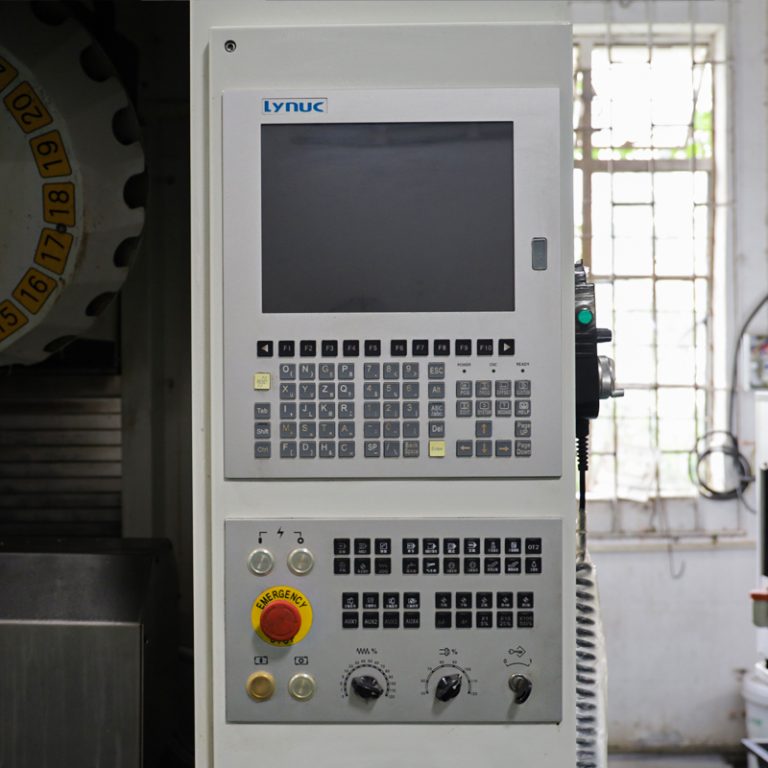
To wrap up, I recommend a small scoring matrix: accuracy under load, uptime during extended runs, and support turnaround. Use those three metrics to compare brands side-by-side—measure results, not promises. I’ve found that this method cuts selection time and reduces buyer’s remorse. For practical sourcing, start with a bench trial, insist on production-like cycles, and weigh how a brand partners with you during the first six months. For deeper vendor options and tooling, see Leichman — they’re a clear resource I often point colleagues to: Leichman.
