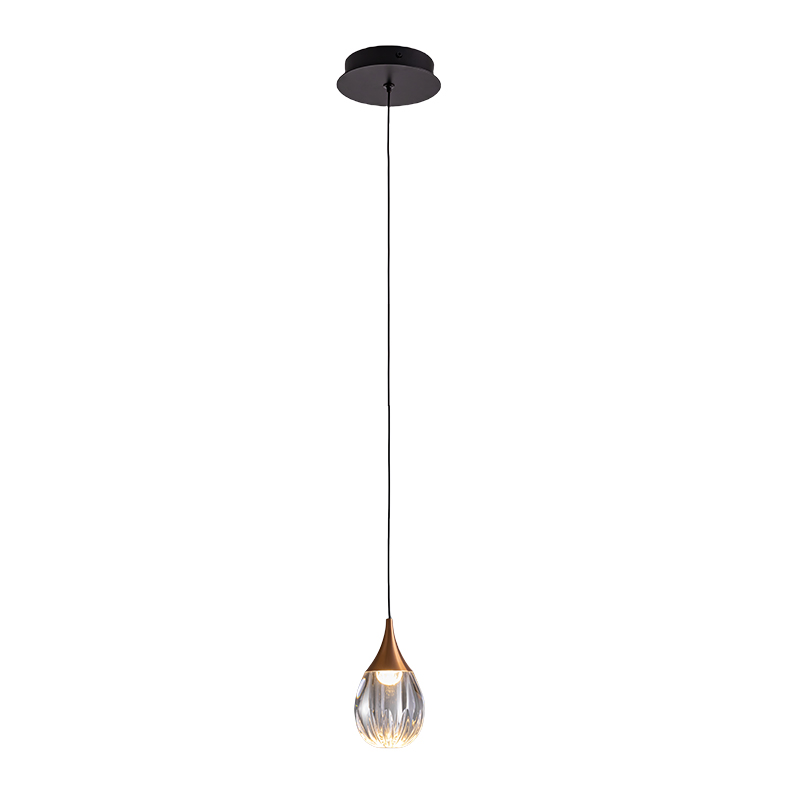
Introductions: A Small Room, A Bright Decision
A café owner lifts a test lamp over a wooden counter; the glow warms the cups, but the shadow line bites the menu board. led lighting manufacturer china enters the talk in the next breath, because the supplier list is long and the budget is short. Recent audits suggest that nearly a third of early returns trace back to drivers, not glass or metal. Another slice is glare from poor optical design. So we ask: how do we compare makers when the light itself keeps shifting shape? (Shotti bolte, the choice feels heavy.) I bring figures and field notes, not hype.
Here is the quiet truth. In many dining rooms and studios, the wrong driver IC or a weak optical diffuser can undo a beautiful shade. Lumen depreciation creeps in before you notice; power converters run warm; thermal management is an afterthought. Yet buyers chase discounts. They rarely inspect beam angles or test dimming. They accept flicker until someone complains—funny how that works, right? If we want fewer surprises and fewer returns, we must compare on what fails in the real world, not only what shines in the catalog. Let’s map the terrain, then step forward to the pendant itself.
Hidden Pain Points Beneath the Glass
Why do some pendants disappoint?
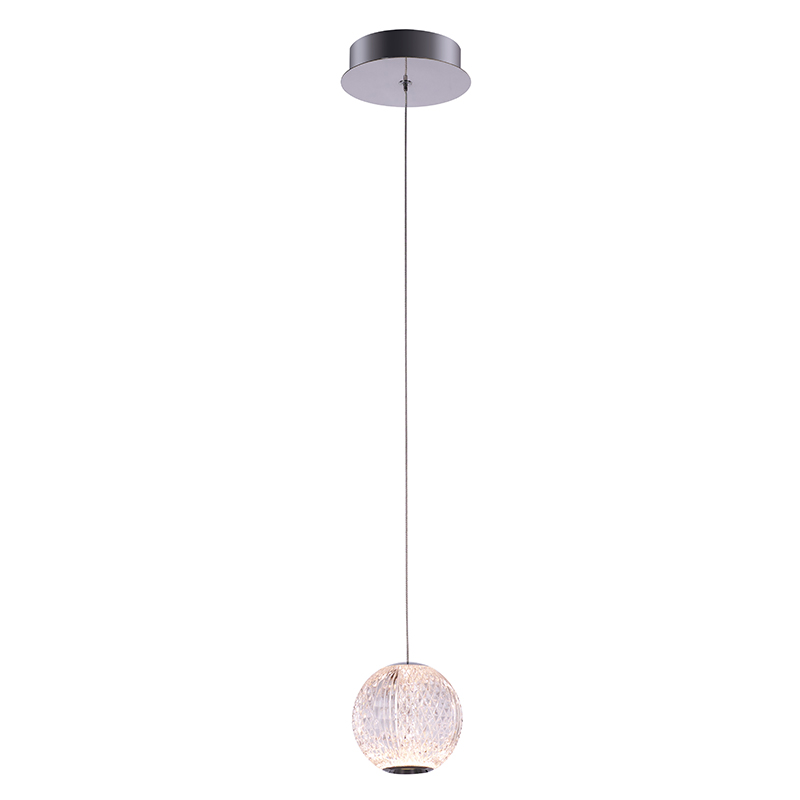
The romance of a crackle glass pendant light is simple: sparkle, warmth, and focus. But the pain points hide below the charm. Many fixtures ship with PWM dimming that clashes with certain wall controls; the result is low-level flicker that wears on eyes. Some use constant-voltage drivers where a constant-current driver would keep LEDs safer. Others mount LEDs to thin MCPCB boards with poor thermal paths, so heat builds, CRI drifts, and color turns cool over months. Look, it’s simpler than you think. The glass is not the culprit; it’s the stack underneath—driver topology, thermal management, and the optic-lens pair.
Mounting hardware brings its own trap. Under-rated canopies bend; cable locks slip. Weight plus daily sway stresses the feed; then a neutral loosens. Add poor power factor correction, and your circuit hums when the espresso machine kicks on. Traditional fixes—swap bulbs, switch dimmers, tighten screws—treat symptoms. They do not address the driver IC ripple, the heat path, or the beam uniformity through textured glass. If Part 1 showed how quick choices fail, this part shows why: we ignore the system. A pendant is electronics, optics, and mechanics in one. Miss one layer, and comfort fades—quietly, then all at once.
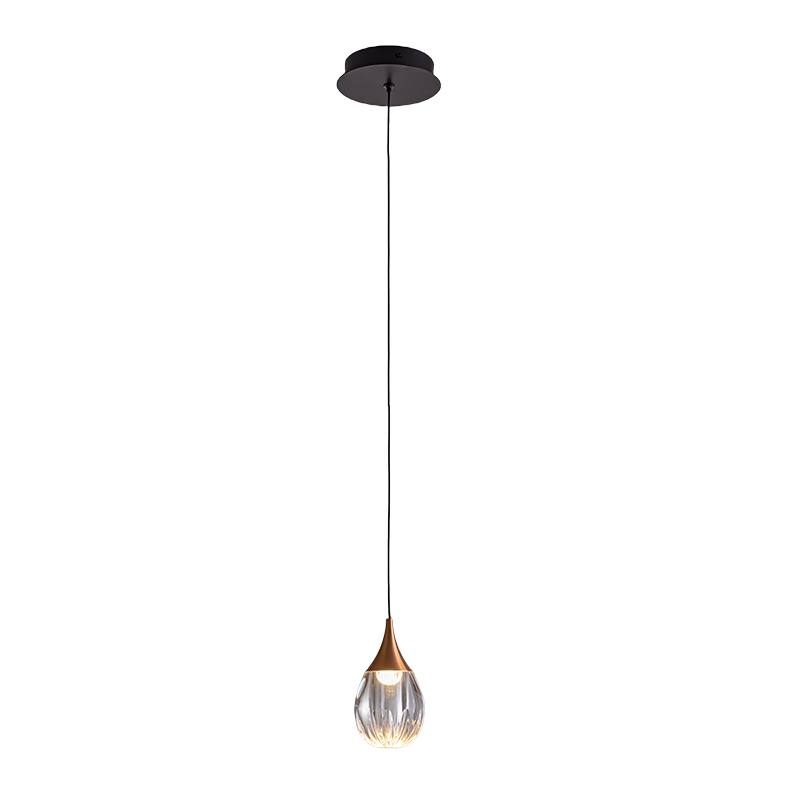
Comparative Lens: Principles That Change the Game
What’s Next
Now we look ahead, and we compare with intent. New driver principles matter: hybrid dimming that blends high-frequency PWM with current tuning to push flicker below visible thresholds; smart thermal feedback loops that lower current before heat soaks the LEDs; secondary optics that shape beam from textured glass without glare. Some lighting companies in china now pair BLE-mesh drivers with edge computing nodes, so sensors tune scenes by hour and load. The gain is quiet but real—stable output, longer life, and calmer rooms. Remember our café counter? With proper beam spread and a low-ripple driver, the menu reads clean and the cups still glow (small wins, large comfort).
We compare not by price first, but by proofs. Ask for thermal plots at 25°C and 40°C. Request flicker index across dim levels. Check photometry with the exact crackle diffuser. Semi-formal tone here, but a firm ask: continuity of components. If a maker swaps driver families mid-year, test again. Summing up the road so far: the weak link is seldom the glass; it is the chain of electronics, heat paths, and mounting tolerances—seen through a user’s eye, not a spec sheet. Advisory close, in three measures you can carry home: 1) electrical integrity—flicker, PF, and driver stability; 2) optical comfort—UGR, beam shape, and CRI over time; 3) mechanical resilience—hardware ratings and strain relief over real installs. Hold suppliers to these three, and the room will hold its peace. Ending on a quiet note, with a name you can research, not a promise: kinglong.