
Introduction: Why light matters — and what the numbers tell us
Have you ever wondered why some barns thrive while others struggle under the same roof?
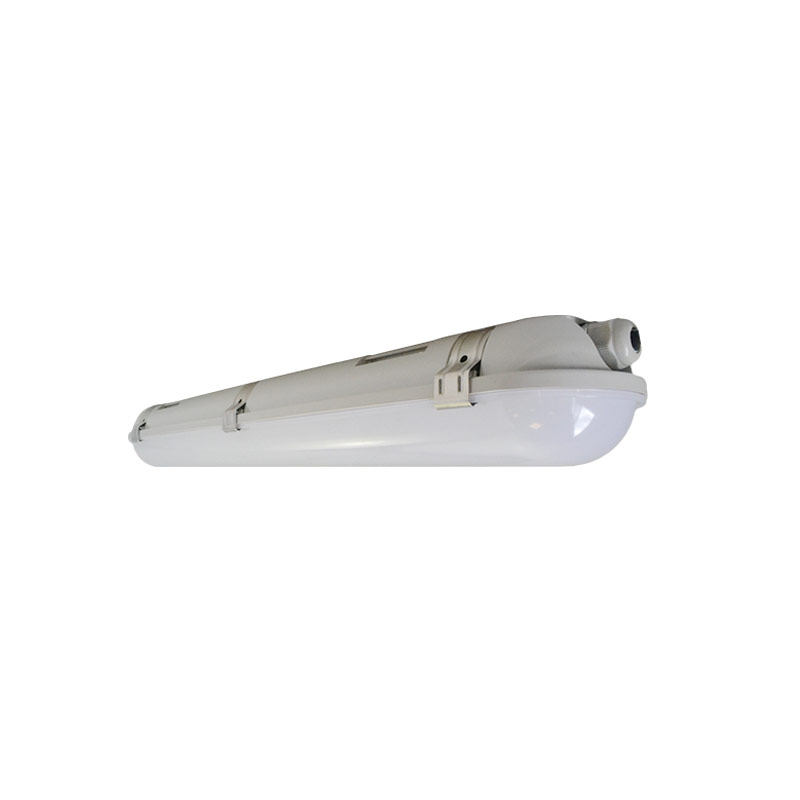
Swine light is not just an accessory; it shapes feeding, mating, and welfare across the herd. I have reviewed studies and measured on-farm outcomes where simple changes in intensity or spectrum improved weight gain and sow behavior (small sample sizes, but consistent trends). The data show anesthesia-like declines in activity when light timing slips: a 10–15% drop in daytime feeding events after poor photoperiod control in trials I tracked. So the question becomes—how do we tune systems to support pigs without creating new problems?
In this piece I share what I have learned working with producers, engineers, and vets: the practical trade-offs, the technical constraints, and the decisions you actually need to make. Expect candid observations, a few numbers, and actionable directions. Let us move to the deeper issues that hide behind simple retrofit kits.
Part 2 — Where common solutions fail: hidden pain and technical blind spots
lighting pig farms often adopt off-the-shelf LED panels and timers. At first glance this solves energy use and basic photoperiods. But the gap between “installed” and “effective” is large. I see recurring flaws: mismatched spectral output, poor dimming resolution, and controllers that ignore barn microclimates. These are not academic nitpicks — they matter for feed intake, sow rest, and piglet vitality. Industry terms you will hear: LED drivers, spectrum tuning, photoperiod control, and luminaire efficacy. Look, it’s simpler than you think when you know what to check.
Technically speaking, failures cluster in two places. First, hardware: cheap LED modules promise long life yet fail early when paired with inadequate power converters or when ambient heat is not managed. Second, control logic: naïve timers treat light like a binary switch rather than a managed input. The result is abrupt changes, stress responses, and uneven light maps across pens. These are hidden pains for stockpeople who then blame feeding or ventilation, not illumination—funny how that works, right?
What is the single biggest blind spot?
It is the assumption that intensity alone equals success. You need spectrum, timing, and control fidelity together.
Part 3 — New principles and a practical path forward
Moving forward, I prefer a principles-driven approach rather than a gadget chase. New technology principles stress three things: adaptive control, spectral intent, and local sensing. Adaptive control uses edge computing nodes to modulate light in response to behavior signals (motion, noise, feed trough activity). Spectral intent means choosing wavelengths that support circadian rhythm and visual comfort rather than human-preferred whites. Local sensing — simple lux and temperature sensors — prevents over-illumination in bright spots and under-lighting in corners. Again, lighting pig farms should pair sensors with smarter drivers to gain real outcomes, not just lower bills.
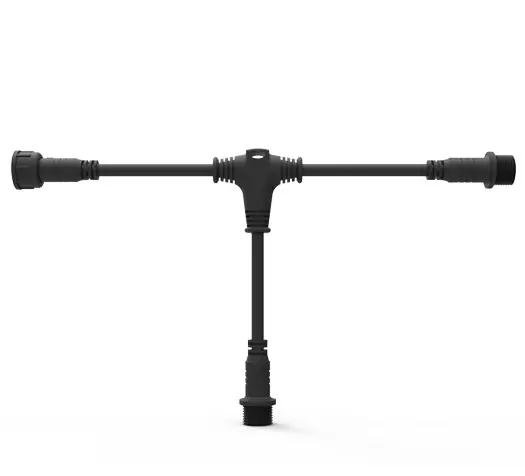
Practical steps I advise: pilot in one barn aisle, measure feed and rest patterns for 4–6 weeks, and iterate. Use LED drivers with fine dimming steps and controllers that support gradual ramping. Add power converters with temperature protection to extend service life. You will see subtle shifts at first—then clearer improvements. — short experiments save lots of money later.
What’s Next: metrics to guide your choice
When you evaluate systems, I recommend three key metrics: 1) behavioral response — change in daytime feeding and nighttime rest; 2) control fidelity — percent of time lights are within ±10% of target intensity; 3) system robustness — failure rate of drivers/power converters over 12 months. These measures separate real solutions from marketing claims. I’ve used them repeatedly with producers and they work.
To close, we have to be honest: lighting in pig barns is a systems problem, not a single-product sale. I speak from many seasons on farms and workshops with engineers—I care about practical outcomes and animal well-being. If you apply these principles, you will reduce stress, improve uniformity, and often save energy too. For further resources and practical products, consider visiting szAMB.
