A Lineage of Eyes on the Road
Long before sensors and algorithms, carriers kept watch with notebooks and the keen eye of a foreman; that history shapes language still. As fleets grew, the phrase logistics fleet management became shorthand for the set of practices that combined routing, maintenance and observation. Changes in how people spoke about “video on vehicles” were visible at exhibitions such as the Transport Logistic trade fair in Munich, where engineers and fleet managers compared hardware and use cases and noted a slow pivot toward smarter recorders.
From Cameras to MDVR to AI MDVR: an Evolution
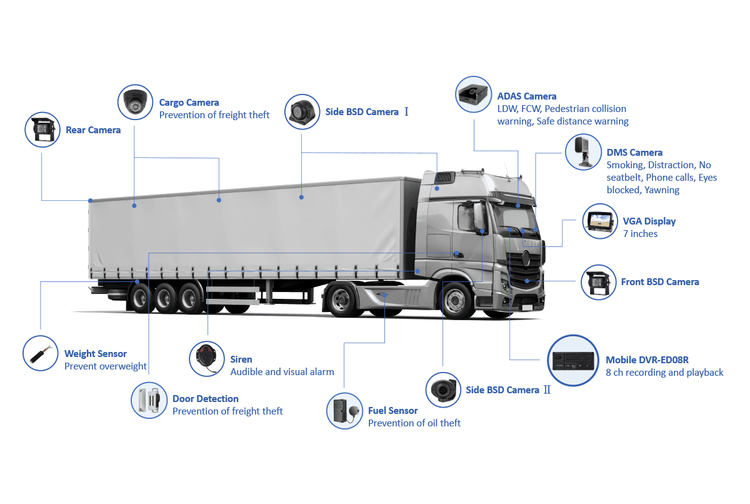
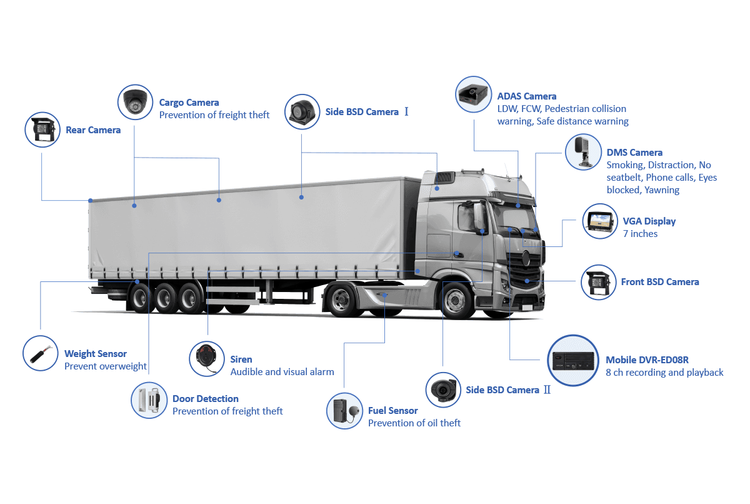
The story runs in three acts. First came basic cameras mounted on cabs, capturing continuous footage. Then Multi-Channel Digital Video Recorders (MDVRs) organized streams, timestamps and metadata for later review. Lately, AI MDVRs embed inference engines at the recorder itself, shifting the burden from bulk archive to selective insight. This shift matters for operators of transport fleet management because it changes who gets alerted, what gets stored, and how quickly teams can act.
Terms that Often Confuse
Clear definitions prevent missteps. Think of these as labels on archival boxes:- MDVR: hardware that records multiple camera feeds, synchronizes timestamps and usually stores to onboard storage.- AI MDVR: MDVR with local inference—models run near the camera to classify events, trim footage, and flag incidents.- Edge inference: running models on-device rather than in the cloud; lowers latency and reduces bandwidth.- Telemetry integration: fusing video with vehicle data (speed, braking, GPS) to create an actionable record.Each term describes a capability, not a vendor; match the term to the operational requirement.
How AI Changes Practical Expectations
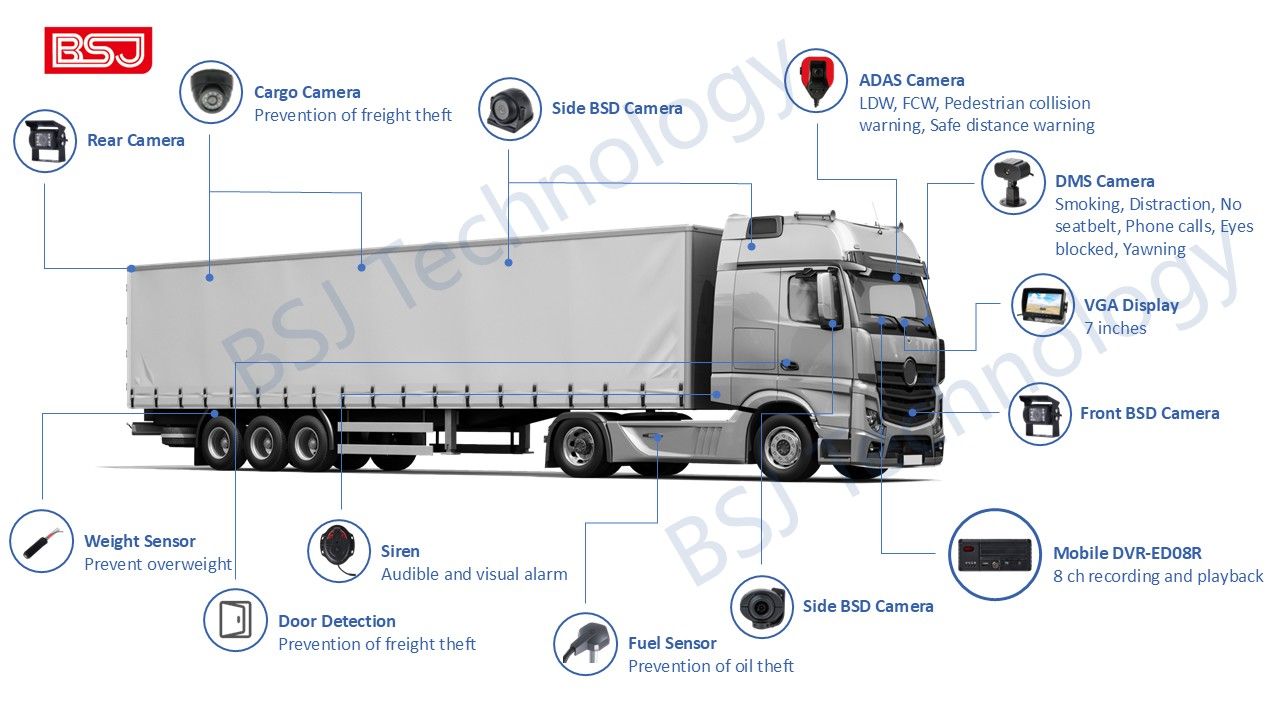
AI on the recorder alters work. Cameras that once created only evidence now generate real-time alerts: lane departures, blocked load doors, or distracted driving. That reduces the hours analysts spend scrubbing footage, but it introduces new demands: model validation, regular updates, and clear incident definitions. Expect less raw footage shipped offsite and more short, labeled clips tied to precise telemetry.
Deployment Lessons: What Repeats in the Field
Practitioners report consistent pitfalls. Avoid these:- Treating AI as plug-and-play: models need tuning to vehicle types, camera angles, and local conditions.- Neglecting data hygiene: poorly synchronized timestamps or missing telemetry make events hard to verify.- Overlooking privacy rules: a recorder that captures public areas requires policy and masking.- Underestimating total cost: storage, model updates, and edge maintenance add recurring costs.Address these before scaling. Small pilots that stress real routes and drivers reveal most problems quickly.
Alternatives and Trade-offs
Three patterns dominate choices. Cloud-first systems centralize processing but demand high upstream bandwidth and continued connectivity. Edge-first systems keep inference on board and minimize bandwidth but require stronger device management. Hybrids send flagged clips to the cloud for deeper analysis while storing routine footage locally. Decide by testing under typical route conditions and by measuring how often alerts are false positives versus missed events.
Synthesis
The language of vehicle video monitoring reflects a long, practical succession from passive recorders to active, on-board intelligence. Each term—MDVR, AI MDVR, edge inference—points to trade-offs between immediacy, cost and oversight. Fleet professionals find value when definitions translate into reliable processes: validated models, synchronized telemetry, and clear governance. For those mapping terms to operational reality, field-tested deployments from BSJ illustrate how these pieces fit together without overpromising capabilities.