Why compare all-in-one systems for commercial energy storage
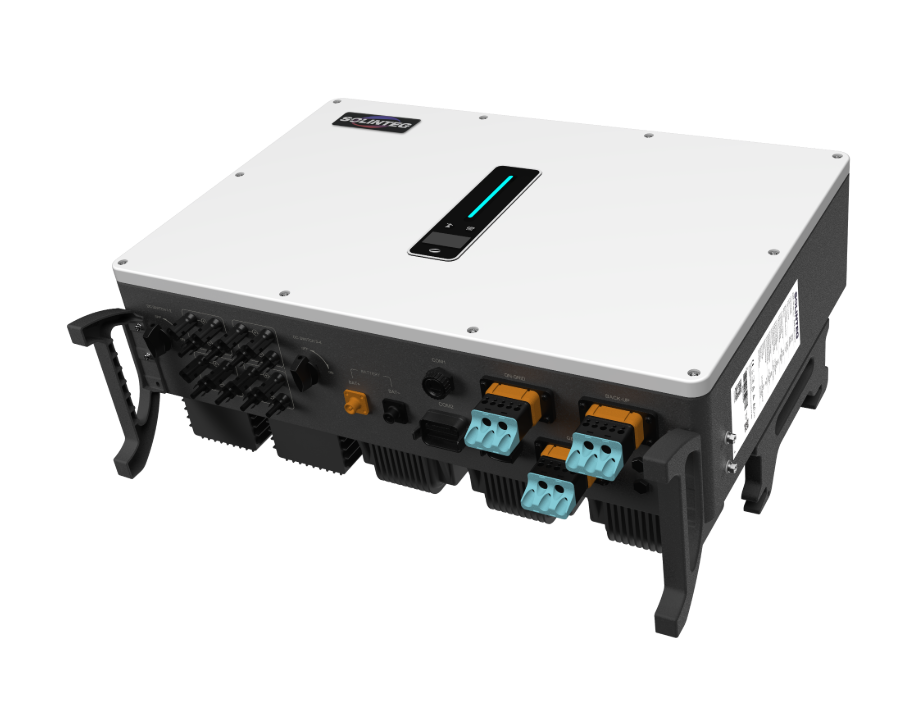
This guide compares realistic choices for businesses that need dependable solar pairing, not theory. An all in one energy storage system packages inverter, battery, and BMS into a single enclosure so site teams avoid multi-vendor integration headaches. Real-world demand has spiked after events like California’s 2020 rolling blackouts, which pushed many facility managers to prioritize resilience alongside cost; that pressure set the frame for the comparisons below.
What to measure first: the hard metrics
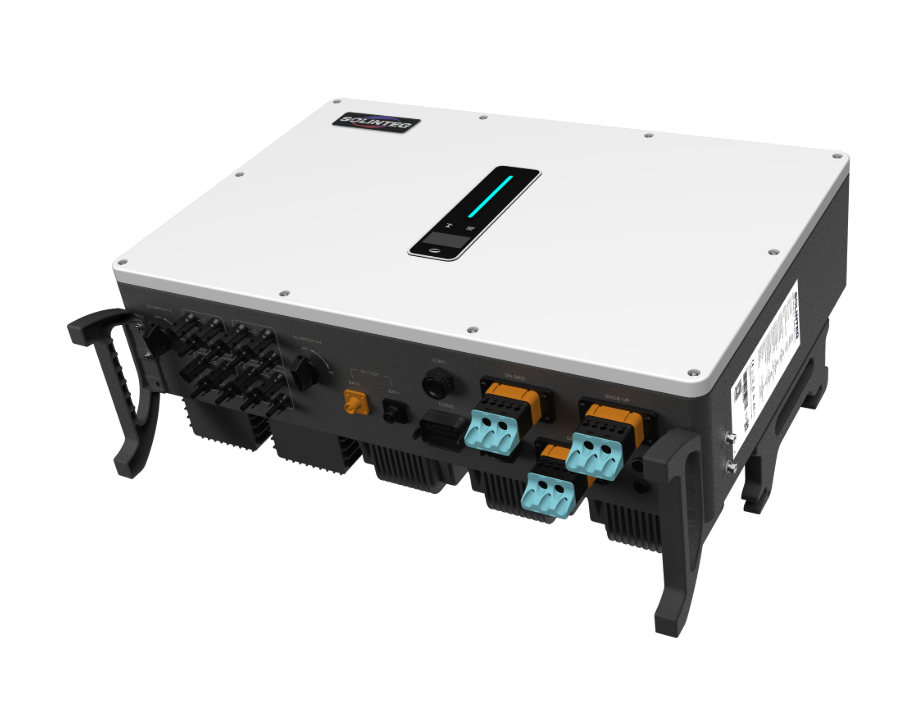
Focus on three measurable areas: usable capacity, round-trip efficiency, and peak power. Usable capacity determines how long a site can ride through outages. Round-trip efficiency tells you how much energy you actually recover after conversion losses through the inverter and battery chemistry. Peak power defines what loads you can support during high demand. Complement these with system-level features such as grid-tied controls and dispatchability for peak shaving or demand charge management.
Architectural trade-offs: modular vs integrated
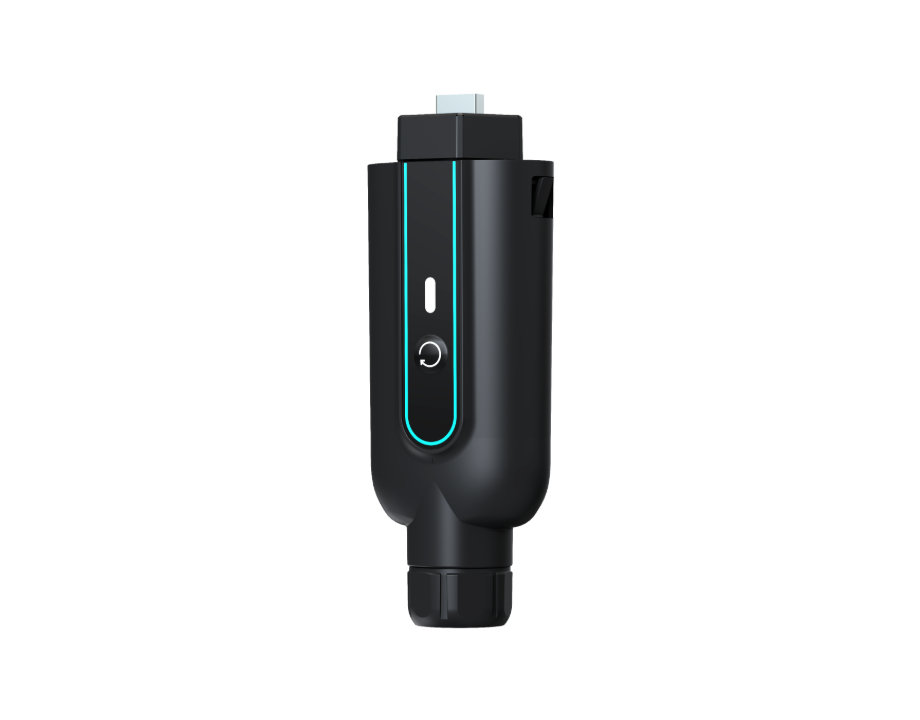
Integrated systems simplify procurement and speed installation; modular stacks provide incremental scaling and flexible maintenance windows. Choose integrated when footprint, commissioning time, and single-vendor responsibility matter. Choose modular when future capacity growth or replacing a specific component—say a battery rack with different chemistry—might come cheaper over time. Consider thermal management too: integrated units often include optimized cooling and a matched inverter, which reduces failure modes tied to mismatched equipment—small detail, big uptime impact.
Operational profiles and deployment scenarios
Match the system profile to your site’s daily load shape. For daytime-heavy operations with rooftop solar, prioritize high usable capacity and an inverter sized for export control. For buildings with sharp afternoon peaks, prioritize high continuous discharge power and fast response for peak shaving. Maintenance access and software matters as much as hardware—reliable firmware updates and remote telemetry reduce truck rolls and keep warranties intact.
Common mistakes that erode ROI
Teams frequently make three repeating errors that undermine performance:
– Oversizing for nameplate capacity without considering usable depth-of-discharge and battery chemistry.
– Choosing a system with poor integration between inverter and battery management, which creates unexpected efficiency losses.
– Neglecting controls and software strategy; without dispatch logic tuned to tariff structures, the system sits idle during the most valuable hours.
Those errors are avoidable with a simple checklist: align usable kilowatt-hours to outage profiles, verify inverter compatibility with your PV array, and validate the EMS logic against current utility tariffs.
Comparing vendors: what to probe during procurement
Ask for documented test results on round-trip efficiency and expected cycle life at the site’s typical depth-of-discharge. Request case studies for similar commercial projects, and confirm local service options. Look for explicit answers on warranty terms tied to both energy throughput (kWh) and calendar years. Also confirm grid-interconnection controls and anti-islanding behavior so you meet utility requirements without surprise modifications.
Three golden rules for selecting the right system
1) Prioritize usable capacity and battery chemistry matched to your duty cycle—long daily cycles call for high-cycle chemistries; backup-first sites may favor higher energy density.
2) Insist on measured round-trip efficiency and validated inverter-BMS integration; small efficiency gains compound into meaningful savings at scale.
3) Evaluate software and service: remote telemetry, firmware update policies, and local support reduce lifecycle costs and improve uptime.
Summing up: clear metrics, matched architecture, and vendor transparency cut procurement risk and maximize the value of commercial energy storage deployments. For organizations seeking a turnkey solution that aligns those priorities, SOLINTEG offers packaged systems and project experience that turn specification into dependable operation—short sentence, long track record.