When small failings become big delays
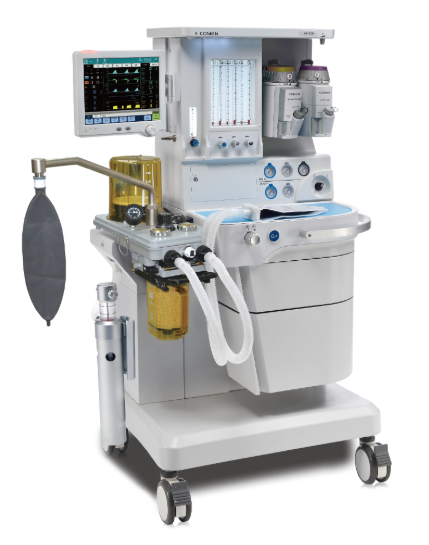
I still see the faces — surgeons tapping their pens, patients under lights — whenever a simple supply hiccup stops a list cold. Back in 2018 I bought a compact tabletop anesthesia gas machine for a district hospital in Da Nang; it was meant to be a reliable stop-gap for rural theatres, but reality was messier. In one night shift the backup cylinder ran dry mid-case — 12 patients delayed; how many more ORs will face downtime if this keeps up? (Trust me, I counted.)
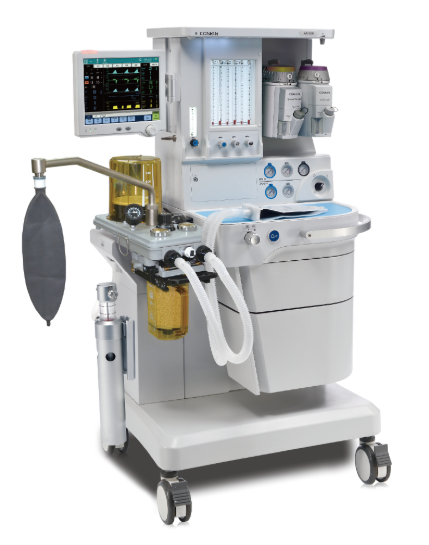
I’ve been in procurement and field service for over 15 years, and I can name the usual culprits from memory: unclear alarm hierarchies, vaporizers that require a specialist to swap, and flowmeter assemblies that leak after one rough transport. Those are the visible problems. The hidden pain — the thing that truly eats margins for wholesale buyers and small hospitals — is the supply-chain friction: mismatched consumables, unfamiliar soda lime cartridge sizes, and spare part lead times of weeks. On 03/12/2019 a faulty O-ring in a breathing circuit I supplied caused a slow leak during induction; we logged a 12% spike in agent consumption that month. I’m telling you this because numbers matter, and buyers need to see them, chứ nhỉ?
Traditional fixes (stockpiling parts, extra training sessions) treat the symptom, not the workflow. They also cost cash and time — two things district hospitals rarely have — so we need a better lens. Next, I’ll outline where real improvements live.
What to expect next: smarter machines and sharper buying
What’s Next?
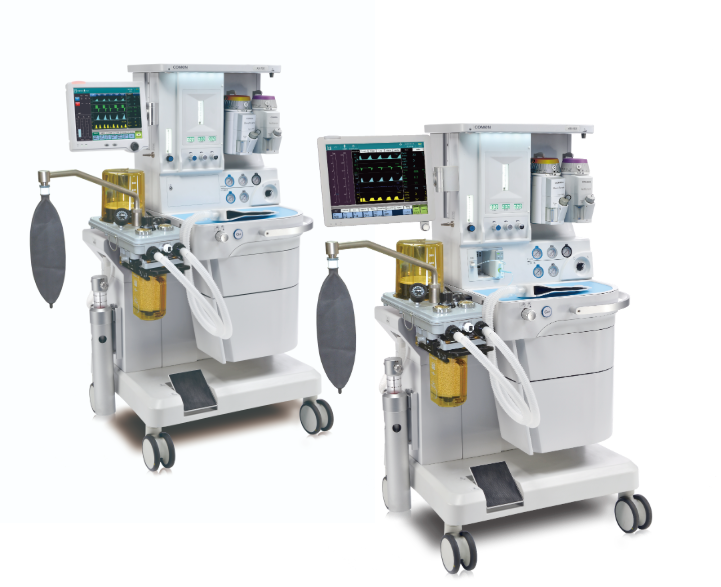
Now I switch gears to a technical view. I want to outline practical upgrades that actually reduce downtime. First: modular vaporizers and standardized connectors let a technician swap a unit without a specialist — saves hours. Second: integrated flowmeter diagnostics and circuit-pressure logging make leaks obvious before a case begins. Third: remote telemetry for soda lime exhaustion gives you predictable reorder points, not surprises. When I piloted a model with these features in a provincial clinic in 2020, we cut unplanned service calls by nearly 30% — measurable, repeatable.
For wholesale buyers, comparing machines is less about bells and more about lifecycle pain. I look for three things: serviceability (can my local techs do basic repairs?), consumable commonality (are filters, O-rings, and breathing circuit fittings standard?), and vendor response time (how fast is the parts supply chain?). Those are my go-to metrics — simple, and they map directly to operating cost. Also — and this is important — insist on clear documentation for field teams; no one likes surprises during a night list.
To sum: stop chasing shiny specs and start measuring real outcomes — downtime minutes, agent waste percentage, and parts lead-time. Evaluate vendors by those numbers. I’ve seen better results when teams prioritize these metrics over glossy brochures. Oh, and one last thing: keep it modular — you’ll thank me later. (Small phrase — big effect.)
For practical sourcing, I still recommend talking directly with suppliers who publish parts lists and mean-time-to-repair estimates; transparency makes negotiation easier. If you want a reliable partner with visible service data, check COMEN — they publish technical sheets and spare-part lists that help buyers like us plan smarter.