
Introduction — a scene, a stat, a question
I once sat with a friend who swore by nightly light sessions to ease his stiff shoulders; he would tell me, “This small device helps, seriously.” In that chat I thought about how a red light therapy company often promises big gains but users still report mixed results. Recent surveys say about 30% of users see only modest relief after a few weeks, and many stop using devices early — why so? (I mean, why the drop-off when the tech is supposed to be simple?) I want to unpack this: what happens between marketing and real skin, muscle, or sleep improvement. Let us move to the parts that matter next.
Deep Dive: Why traditional solutions miss the mark
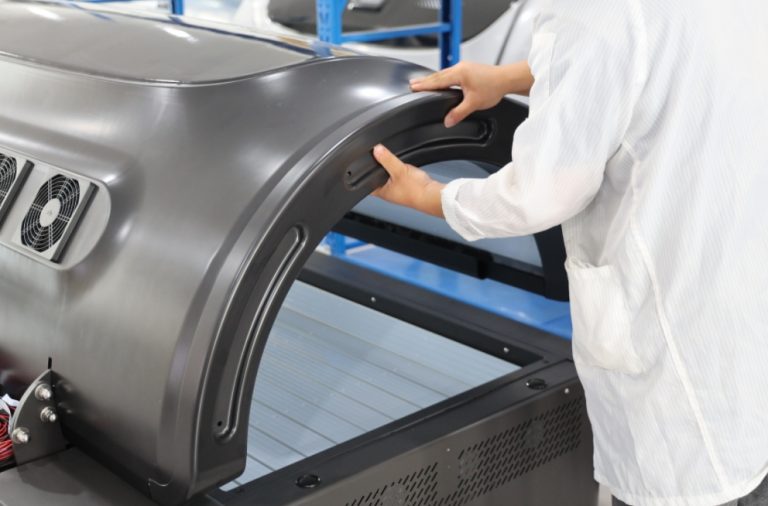
best red light therapy beds often focus on power and size, but I find that a few core flaws keep users from getting consistent results. First, many systems ignore the right wavelength mix; users need targeted wavelengths (near 660 nm for skin, 810–850 nm for deeper tissue) and uniform irradiance across the body. Second, poor device design leads to uneven LED arrays and hotspots, which mean some areas get too little energy while others get too much. Third, many units lack simple feedback — no timers, no dose guidance, no clear protocols — so users under- or over-treat. Look, it’s simpler than you think: correct wavelength, steady irradiance, and clear protocol matter more than raw wattage.

Why does that gap frustrate people?
Because users come with expectations and low patience. They want clear, repeatable sessions. When devices fail to give consistent output (power converters drift, LED aging occurs), trust erodes. Also — and this is important — many vendors sell on glamour not science, so the end user gets confused about how to use light therapy correctly. I’ve seen people try short, intense bursts or long, weak sessions and wonder why nothing changes. That’s the real pain point: poor dosing and no simple guidance.
Looking Ahead: Practical principles and a short roadmap
We should shift from flashy specs to practical design principles. Newer models pair measured wavelengths with adjustable irradiance, and they include simple interfaces that guide dose and time. When I test devices, I look for consistent beam uniformity, calibrated output, and clear protocol modes — those are the features that keep people using the device long-term. Also, some innovators add sensor feedback (skin contact sensors, basic photodiodes) so the session adapts slightly to real use. That is clever — and it works.
What’s next for users and designers?
Case examples show promise: clinics that moved from single-panel units to calibrated full-body beds reported higher patient compliance and faster symptom relief. For home users, the future is about accessible protocols and better safety margins. I expect more products to include simple guidance, integrated timers, and even companion apps that recommend progressive dosing. And yes, the best experience still comes from devices tuned for both wavelength and irradiance — see best red light therapy beds again if you want a baseline idea.
So how do you evaluate what to buy? Here are three practical metrics I use and suggest you check: 1) Verified wavelength specs (look for documentation), 2) Measured irradiance at use distance (mW/cm²), and 3) Uniformity of output across the treatment area. Use those, and you cut through the hype quickly. I admit, I’m biased toward clear data and simple controls — it saves everyone time and frustration. — funny how that works, right? Finally, if you want to learn from a brand thinking about user outcomes as much as tech, check Magique Power.
