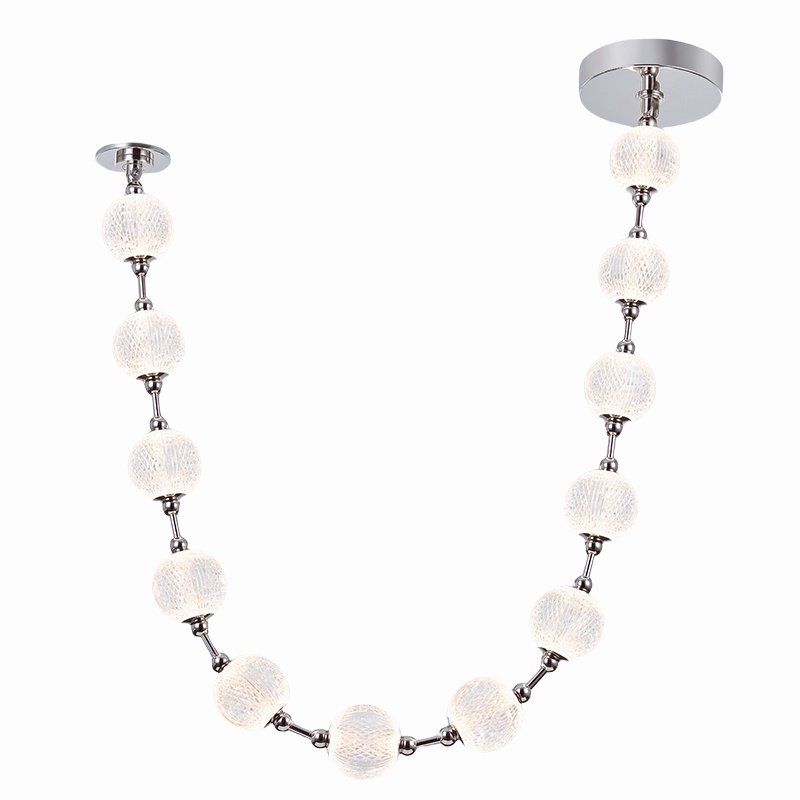
Intro: A Living Room Story That Shines a Light
I walked into a friend’s living room, and the pendant looked sharp as a new penny—until we sat down. The glare hit the TV like high noon on chrome. A pendant light supplier once told me, “Folks choose with their eyes, then return with their heads.” In my notebook, I’ve tracked a pattern: many homes end up with lights that flicker or strain the eyes, and half the time it’s not the fixture, it’s the setup. We’re talking dimmer mismatch, sloppy thermal management, and a beam spread that washes the room like a flood. You ever notice how the wrong shade can make the sofa look dull? That’s poor CRI at work—funny how that works, right? So here’s my question: if the look is right, why does the room still feel off? (I reckon it’s the hidden parts, not the pretty parts.) Sit a spell, and we’ll sort the simple from the sneaky. We’ll go past “style first” and fix the stuff that actually makes a room feel good. Let’s slide from the porch talk to the toolbox—and see what’s really happening under that canopy.
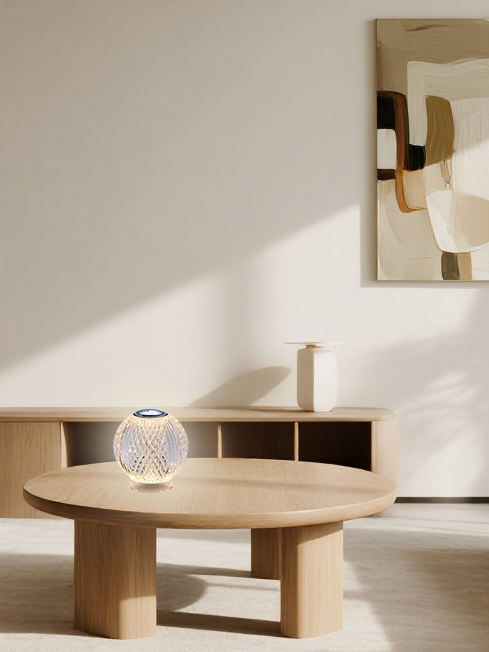
The Deeper Layer: Why Many Living Room Pendants Miss the Mark
If you’re eyeing a modern pendant light for living room, you’re already thinking about shape and finish. Good start. But the quiet trouble sits in the guts: the constant-current driver, the optical diffuser, and the way luminous flux hits your surfaces. Look, it’s simpler than you think. Flicker often comes from bargain power converters or a driver IC that doesn’t play nice with your wall dimmer. Low CRI (under 90) can make wood look gray and skin look tired. And a tight beam angle can spotlight the coffee table while leaving the corners cold. The fix isn’t fancy. Match the dimming method (TRIAC, 0–10V, or DALI). Check for low ripple and a steady driver. Make sure the diffuser spreads light without that hard hotspot.
Where does that flicker come from?
Old-school fixes say, “Pick the wattage and call it a day.” That’s how you get eyestrain by supper. We want thermal management that keeps LEDs cool, or you’ll lose output fast. We want surge protection, so the driver doesn’t hiccup when the fridge kicks on. And we want a beam that fits the room’s height. Eight-foot ceiling? Wider beam. Tall room? A touch tighter, with better vertical illumination. One more thing: don’t guess at brightness. Ask for measured luminous flux in lumens, not just “equivalent to.” A clean spec beats a pretty brochure every time—because it keeps the room calm, and your eyes happier than a hound in shade.
Comparative Insight: Smarter Specs, Better Rooms
What’s Next
Here’s the forward look. New driver designs cut ripple to near zero and balance PWM dimming with constant-current control, so scenes feel smooth at 10% as well as 100%. That means no shimmer on a phone camera and no buzz on legacy dimmers. A well-tuned heat sink keeps color stable over years, not months. The result: steady light, quiet electronics, and colors that stay true. Take a compact chassis with a modular canopy—installation gets faster, and the cable stays clean. Swap in a diffuser that lifts glare off the screen, and movie night finally feels like night. Pair that with a high-CRI package and a smart beam angle, and the room looks finished, even when the floor isn’t. If you’re weighing shapes, try a faceted style like a diamond pendant light for better sparkle without a bare-bulb sting. Little tweaks, big comfort—no fuss.
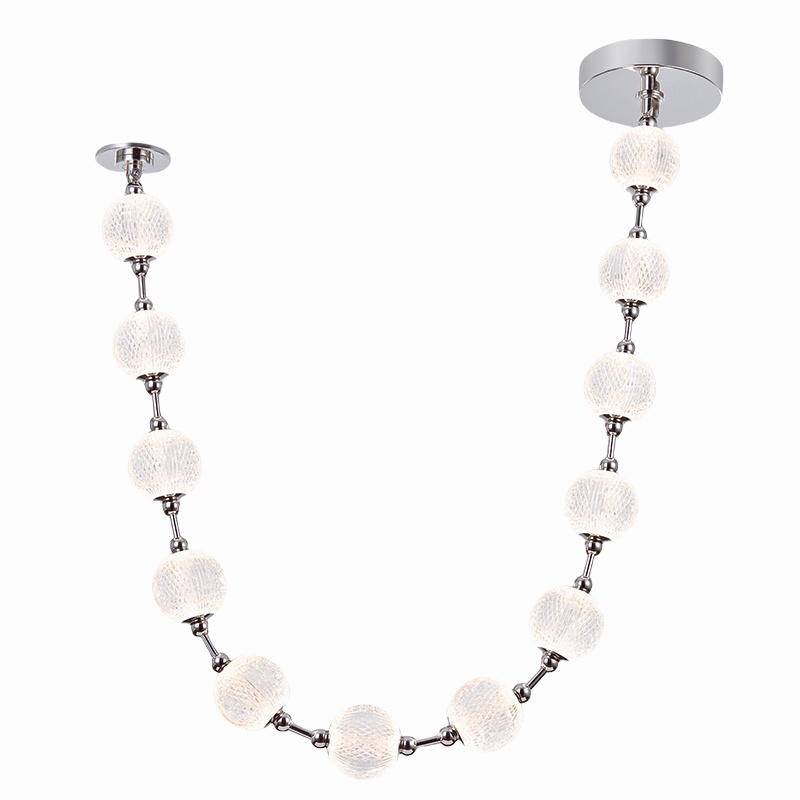
Let’s stack choices side by side. Old way: pick by looks, add a generic dimmer, hope for the best. New way: match protocols, verify CRI, check beam and flux, and make sure the driver is up to code. One small case: a split-level den, 9-foot ceiling, dark paint. We went with 2700K, CRI 90+, 120-degree beam, ripple under 5%, and a low-profile diffuser. The TV glare dropped, face tones warmed up, and the corners finally read as part of the room—funny how a quiet driver can make a space feel calmer, right? If you want a short checklist to keep you honest, use three yardsticks. First, color and comfort: CRI 90+ with stable CCT (no drift after warm-up). Second, control: dimmer compatibility noted on the spec, and flicker percentage low enough that your phone camera sees none at 120 fps. Third, distribution and punch: beam angle that fits ceiling height, plus luminous flux matched to your square footage. Do that, and you’ll buy once, install once, and feel good every evening—no guesswork, no squinting. For more technical grounding without the sales pitch, I tip my hat to kinglong.